

 By
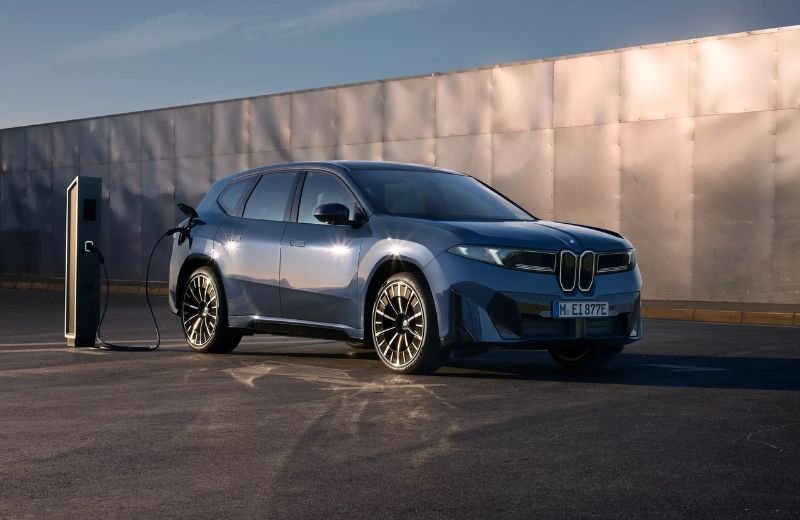
By The BMW iX3 has demonstrated strong real world performance in a long distance electric vehicle test, highlighting improvements in range, efficiency, and charging capability. The electric SUV completed a 620 mile journey with limited charging stops, showing how modern EVs are becoming more practical for extended travel.
The test involved a highway drive under typical conditions, designed to evaluate how well electric vehicles perform over long distances. It focused on total travel time, charging efficiency, and energy consumption during a continuous journey.
Real world test highlights efficiency and range
The BMW iX3 completed the full trip in under nine hours, including charging time. The vehicle required only two charging stops during the journey, which helped reduce overall travel delays.
The test took place in relatively cold weather, which can impact battery performance and reduce driving range. Despite this, the iX3 maintained stable efficiency throughout the trip. The vehicle also used larger wheels, which typically lower efficiency compared to smaller options.
These conditions make the results more notable, as electric vehicles often perform better in moderate temperatures. Even with these challenges, the iX3 delivered consistent performance across the entire route.
The SUV features a large battery designed to support long distance travel. It also supports fast charging, allowing drivers to regain a significant portion of range in a short time. This combination of battery capacity and charging speed plays a key role in reducing travel interruptions.
Efficiency remained a strong point during the test. The iX3 maintained competitive energy usage, which contributed to its ability to complete the journey with fewer stops. This reflects ongoing improvements in electric drivetrain technology and vehicle design.
Growing confidence in long distance EV travel
Long distance driving has traditionally been a concern for electric vehicle buyers. Limited range and slow charging once made EVs less suitable for extended trips. However, newer models continue to address these challenges.
The results from this test show that modern electric SUVs can handle long journeys with fewer compromises. Reduced charging frequency and shorter charging times improve overall convenience for drivers.
Industry trends indicate that automakers are focusing heavily on range and charging infrastructure. These developments aim to make electric vehicles more practical for everyday use, including highway travel.
Also read Government reviews fare free transport plan as fuel prices rise
The BMW iX3’s performance in this test reflects these broader advancements. It combines range, efficiency, and charging capability in a way that supports long distance driving without significant delays.
As electric vehicle technology continues to evolve, tests like this help demonstrate real world usability. They provide insight into how EVs perform outside controlled conditions and highlight progress in addressing earlier limitations.
The BMW iX3 stands as an example of how far electric mobility has advanced, offering drivers a more reliable option for both daily use and extended road trips.