

 By
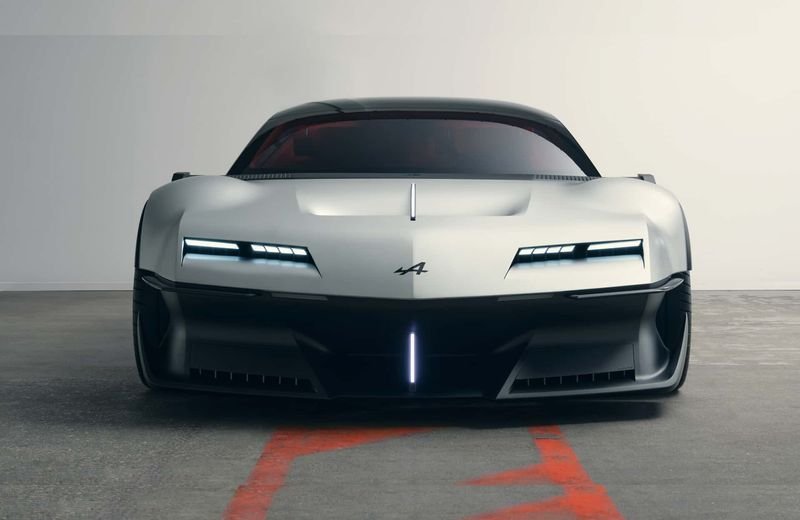
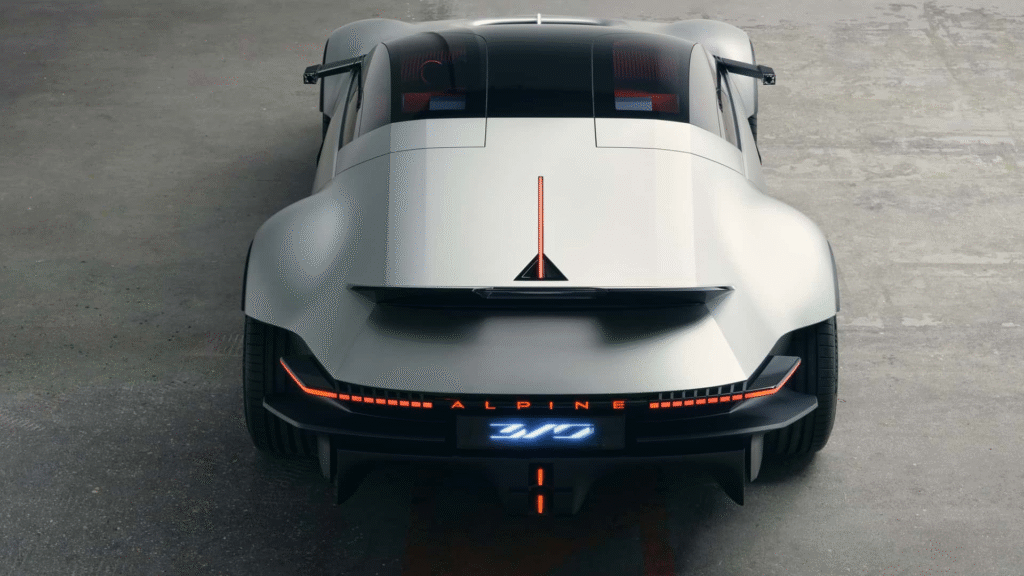
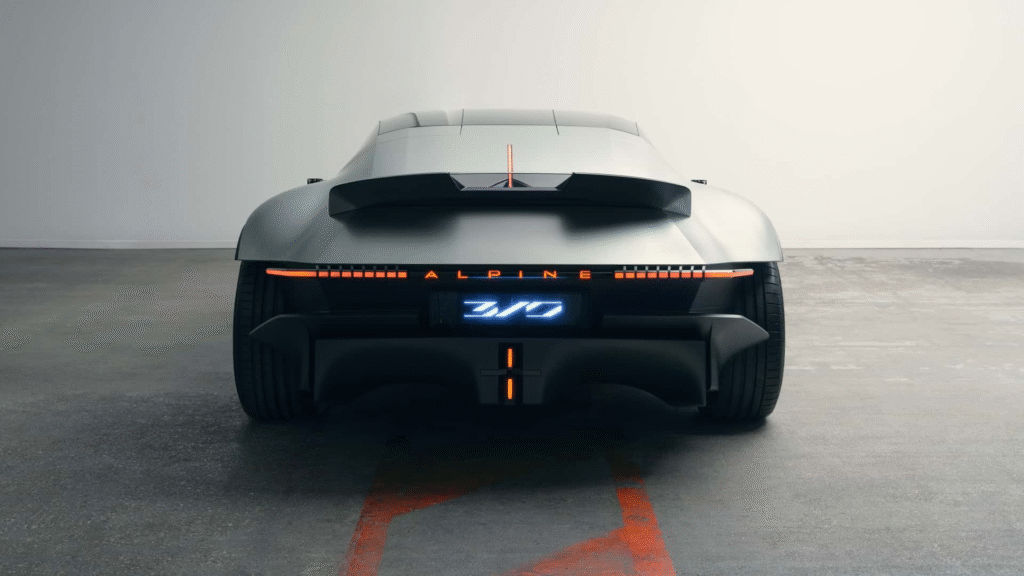
By Alpine has presented the A310 Vision, a retro-inspired electric sports car concept that connects the brand’s classic design heritage with its plans for an electric future. Unveiled for the 2026 Paris Motor Show, the concept takes inspiration from the original 1971 Alpine A310 but uses modern proportions and an electric performance platform.
However, the A310 Vision is not a preview of a confirmed production model. Alpine describes it as a one-off design study that explores how an electric sports car could look and perform. The company has not announced its power output, battery capacity, driving range or charging performance.
The concept also differs from Alpine’s planned four-seat electric A310. Although the company has outlined plans for a larger 2+2 sports car, the Vision primarily demonstrates the design possibilities of a future electric model.
Classic Alpine Styling Meets Modern Electric Technology
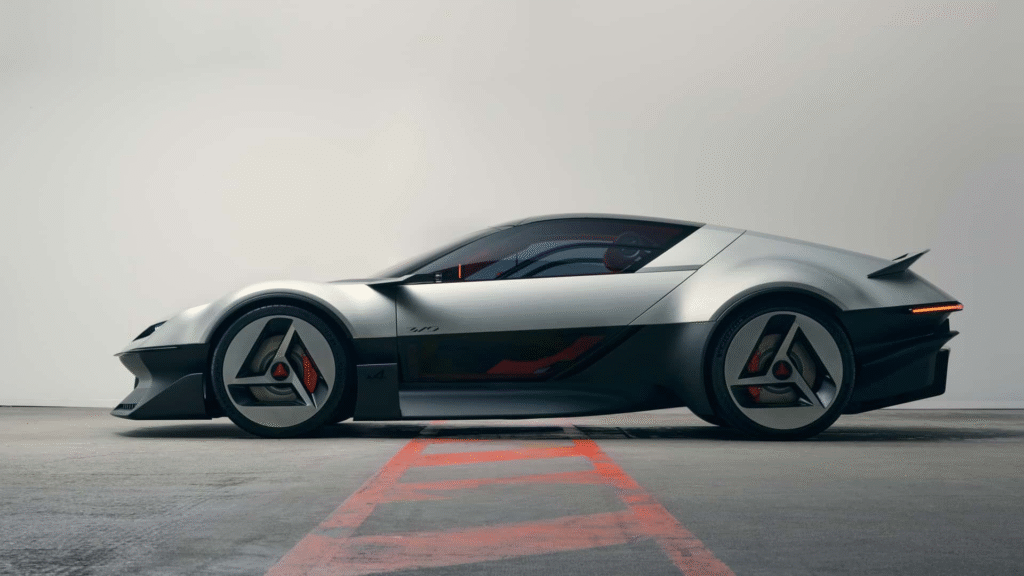
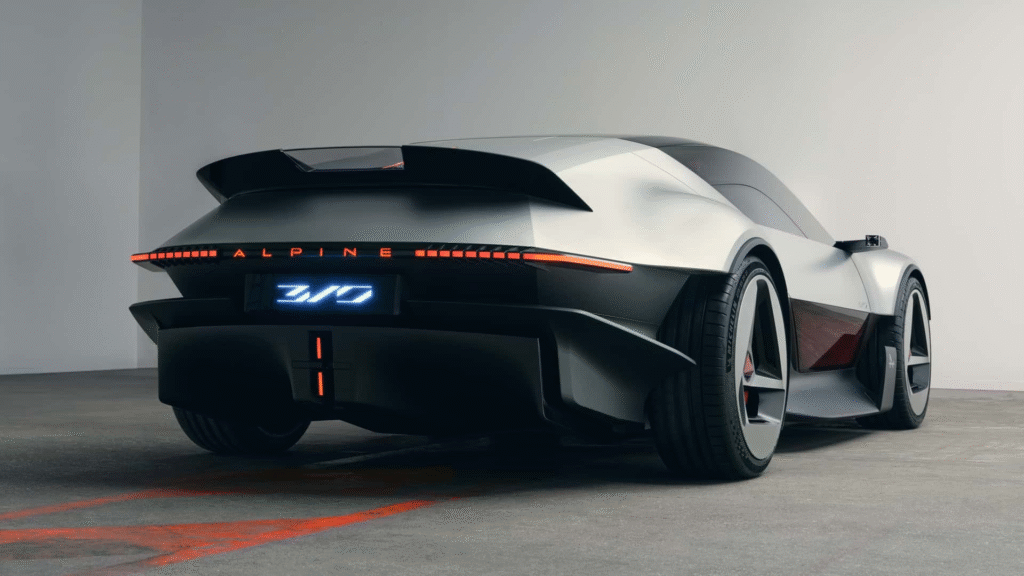
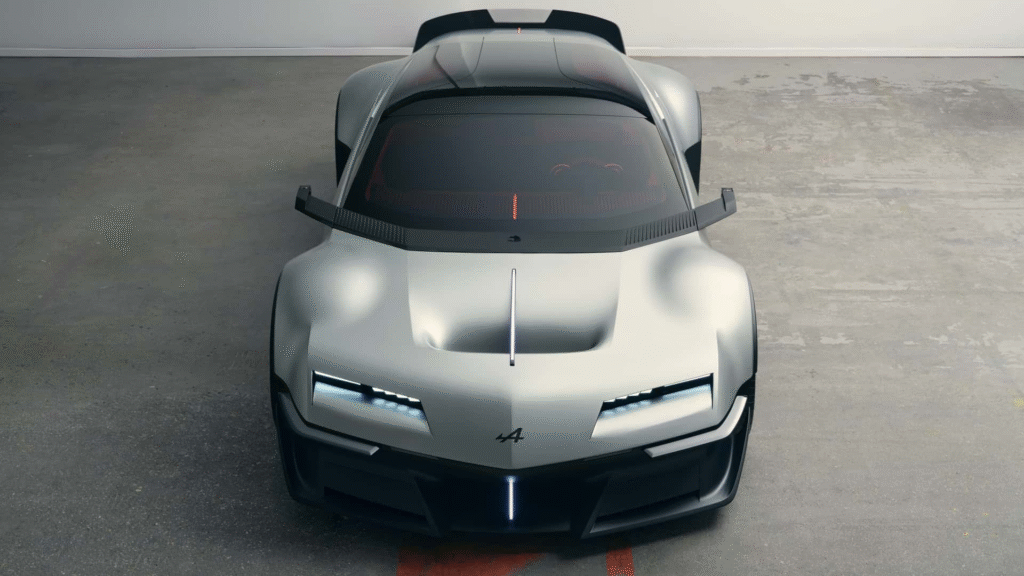
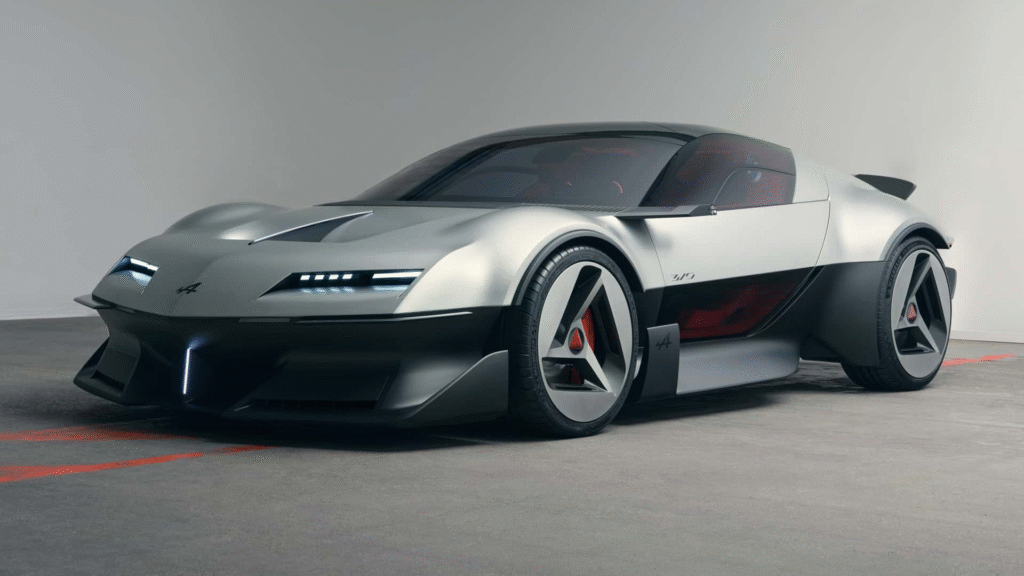
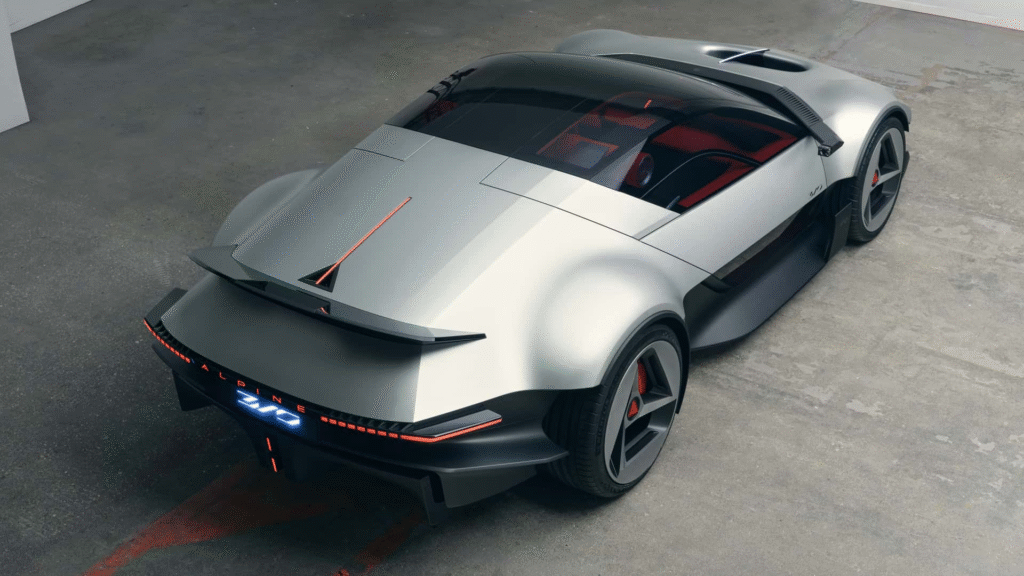
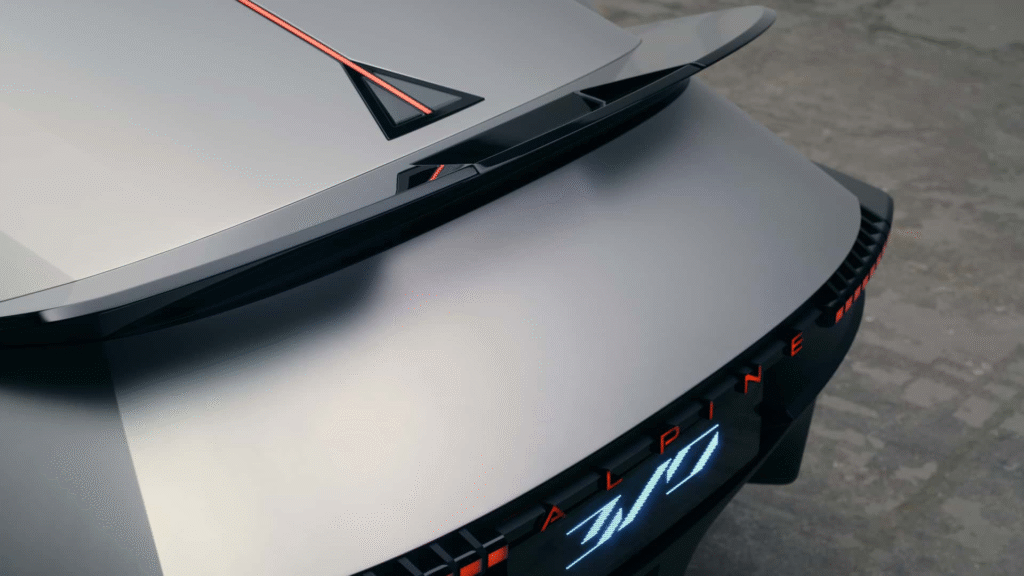
The A310 Vision draws heavily from the original A310, which debuted in 1971. Its long, low nose, wedge-shaped profile and broad rear section preserve the visual character of the classic sports car.
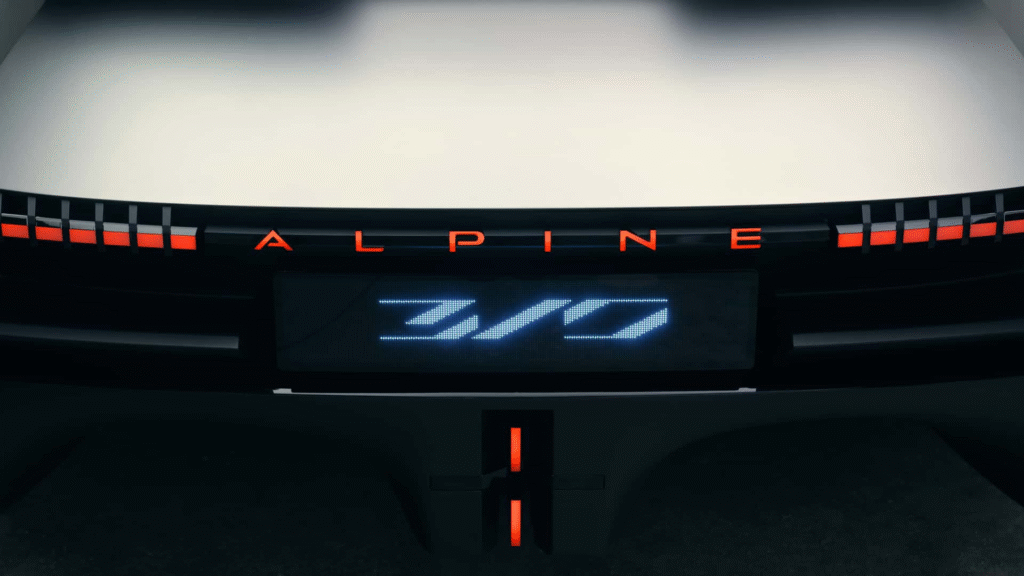
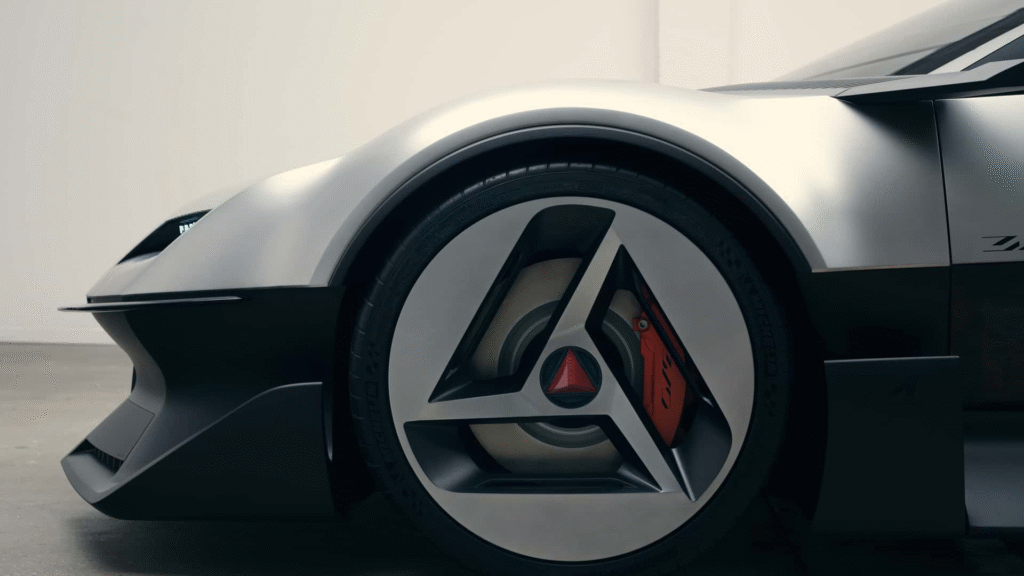
Alpine has updated these elements with a smooth canopy, modern bodywork and distinctive lighting. One of the concept’s most unusual details is its headlight design. Instead of conventional pop-up headlights, the lights emerge through a downward-opening effect when the car starts.
This feature adds a sense of theatre to an electric vehicle, which otherwise operates almost silently at low speeds.
The concept measures 4.55 metres long, 2.03 metres wide and 1.18 metres tall. Compared with the original A310, it is approximately 37 centimetres longer and 39 centimetres wider, while its height increases by only around three centimetres.
These dimensions give the Vision a wider, more substantial stance without losing the low-slung silhouette associated with the original car.
Twin Rear Motors and an 800V Platform
Underneath its retro-inspired body, the A310 Vision uses Alpine’s 800-volt Alpine Performance Platform (APP). The same architecture is planned for the next-generation electric A110, which will serve as an important step in the brand’s transition to electric sports cars.
The A310 Vision features two electric motors mounted on the rear axle. Alpine has also incorporated active torque vectoring, which adjusts the power delivered by each motor to improve cornering behaviour, traction and handling.
According to the company, the system can adjust motor output every 10 milliseconds. This allows the car to distribute torque quickly as driving conditions change, with the aim of delivering a more engaging rear-wheel-drive experience.
The concept also uses an aluminium structure assembled through bonding and riveting. Its battery arrangement is designed to preserve the car’s low roofline while maintaining a relatively high driving position.
Alpine is targeting a 40:60 front-to-rear weight distribution, placing more weight over the rear axle. This layout reflects the brand’s focus on handling balance and driver engagement rather than headline acceleration figures.
However, Alpine has not disclosed the concept’s total power output, battery size, weight or performance figures. Its specifications should therefore not be compared directly with production electric sports cars at this stage.
Electric A110 Will Come Before a Production A310
The A310 Vision arrives as Alpine prepares to introduce the electric A110. The smaller sports car is expected to become the first production model based on the APP platform.
Alpine has been developing the A110 EV through a prototype known as the A110 Future. The prototype appeared at the Goodwood Festival of Speed in July 2026, providing an early look at the engineering work behind the upcoming model.
The development programme uses a battery pack of approximately 71 kWh, with around 25% of its capacity positioned at the front and 75% at the rear. Alpine is targeting a production weight of approximately 1,400 kg for the electric A110.
These figures relate to the A110 development programme, not the A310 Vision. Alpine has not confirmed whether a future production A310 will use the same battery capacity or achieve a similar weight.
If it reaches production, the electric A310 would sit above the A110 in Alpine’s lineup. Its larger size and potential four-seat layout would make it a more practical and expensive option than the smaller sports car.
The company has previously outlined plans for a four-seat electric A310, but the Vision itself does not confirm when that model will enter production. A possible launch around 2028 has been discussed, although Alpine has not officially confirmed that timing.
Alpine’s Potential Return to the US Remains Uncertain
Alpine also hopes to expand into the United States, but its plans have yet to become a firm launch commitment. The company previously targeted a US entry around 2027, but that ambition has slipped.
A report from Road & Track in August 2026 suggested that the next-generation A110 could lead Alpine’s American launch around 2030. The strategy would reportedly prioritise exclusivity rather than high sales volumes.
Also read Nissan Frontier Pro Plug-In Hybrid Pickup Heads to Global Markets
However, Alpine has not confirmed a final US launch date or announced which models would be offered there. The electric A310 could eventually become part of that discussion, but there is no confirmed US allocation for the four-seat model.
For now, the A310 Vision serves as a design and engineering exercise rather than a production announcement. It demonstrates how Alpine could combine its classic sports car identity with an 800V electric platform, twin rear motors and advanced torque control.
The production A110 is the more immediate priority. Any decision to build an electric A310 will depend on Alpine’s future product plans, leaving the Vision as an early indication of what the brand might develop next.
Source: Alpine