


 By
By Tesla’s upcoming Cybercab has taken another step toward production after new EPA documents revealed several important technical details about the electric robotaxi. The filings confirm the vehicle’s battery size, power output, weight, and estimated driving range ahead of its expected launch.
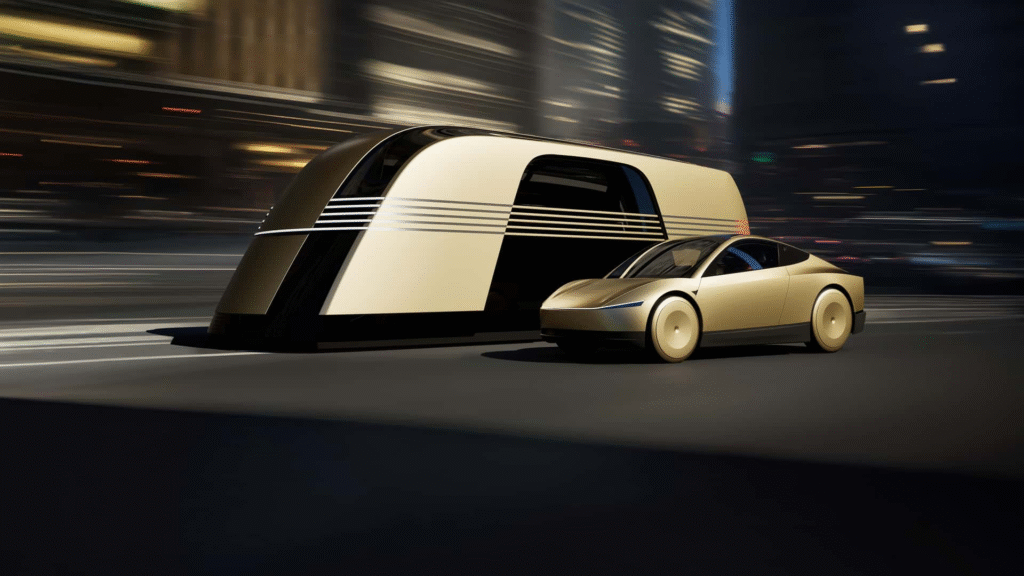
The Cybercab remains one of Tesla’s most ambitious future projects. The company plans to position it as an affordable autonomous electric vehicle designed mainly for ride hailing and urban transportation.
According to the newly released documents, the Tesla Cybercab will weigh around 3,113 pounds. That makes it significantly lighter than many electric vehicles currently available in the market. For comparison, the Tesla Model 3 weighs hundreds of pounds more, while several compact EVs approach the 4,000 pound mark.

The lighter structure could help improve both efficiency and driving range. It also allows Tesla to use a smaller battery pack without sacrificing overall usability.
The EPA filings show that the Cybercab will use a 48 kWh battery pack paired with a single front mounted electric motor. The motor produces 219 horsepower, which should provide enough performance for city driving and daily transportation needs.

Tesla appears focused on maximizing efficiency rather than extreme acceleration. The compact design and reduced weight may help the Cybercab deliver competitive range figures despite its smaller battery capacity.
Estimated Driving Range Near 300 Miles
The official documents include preliminary testing figures that suggest the Cybercab could offer nearly 300 miles of driving range on a full charge. Internal testing produced a higher number under laboratory conditions, but adjusted EPA estimates point closer to 293 miles.
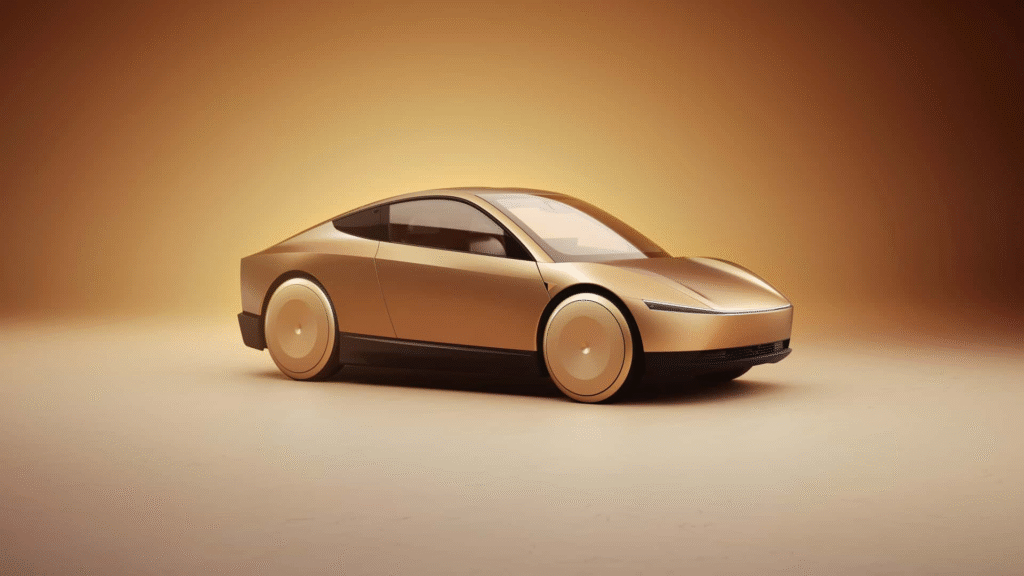
That result would place the Cybercab among the more efficient EVs in its category. Achieving nearly 300 miles of range from a 48 kWh battery would represent a strong efficiency advantage compared to many existing electric vehicles.
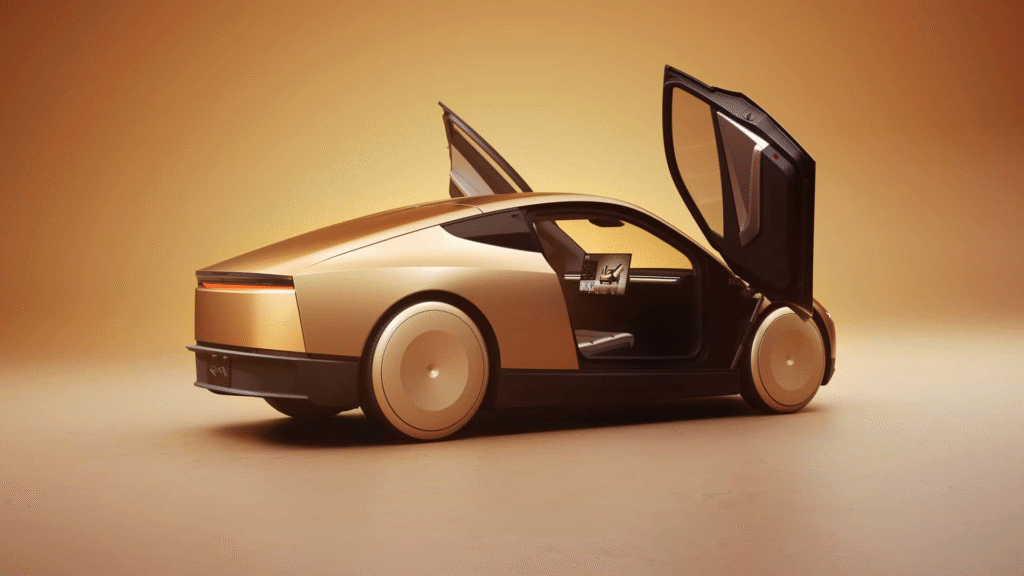
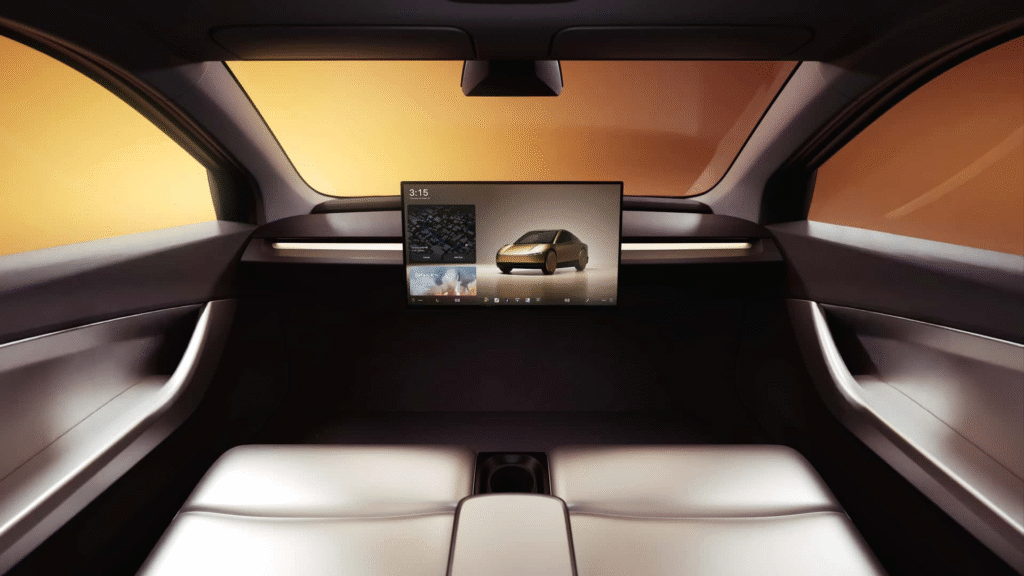
Tesla also designed the Cybercab with a relatively small payload capacity due to its compact two door layout. EPA calculations suggest the vehicle can carry approximately 617 pounds, including passengers and luggage.
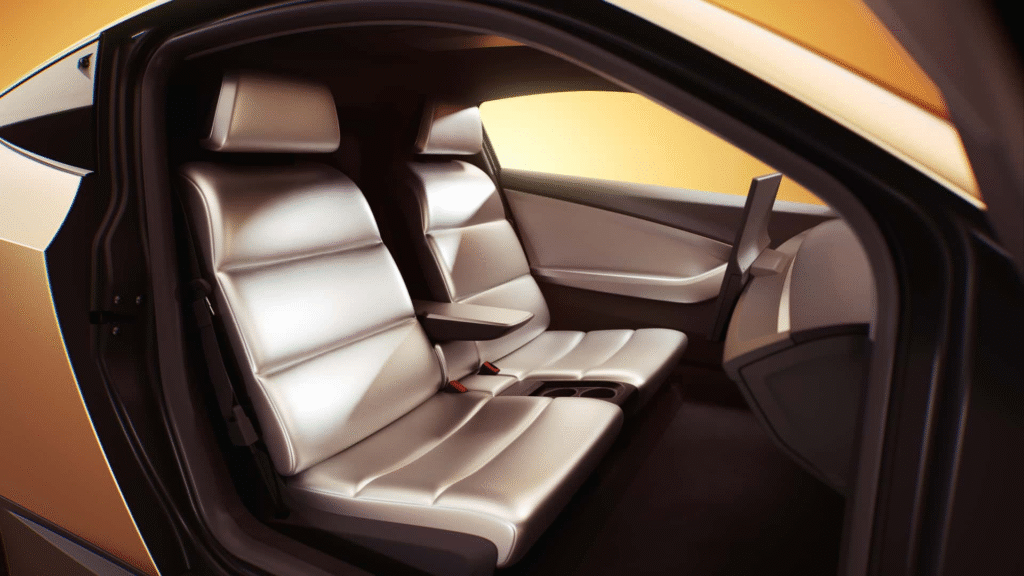
The company originally introduced the Cybercab as a fully autonomous robotaxi without pedals or a steering wheel. However, several recent test vehicles have appeared with traditional driving controls installed. This suggests Tesla may continue testing both autonomous and manually controlled configurations during development.
Also read BMW Reveals Bold Preview Of Upcoming Electric Performance Sedan
Tesla has not officially confirmed final production timelines or pricing details. Earlier company statements suggested a target price below $30,000 with production expected before 2027.
The Cybercab plays an important role in Tesla’s long term strategy for autonomous transportation. The company continues developing its self driving software while expanding real world testing in selected cities.
The latest EPA filings indicate that Tesla is moving closer to production readiness. While questions remain about launch timing and full autonomous capability, the newly revealed specifications provide a clearer picture of what buyers and future ride hailing users can expect from the Cybercab.
FAQs
The Tesla Cybercab is expected to deliver nearly 300 miles of driving range based on preliminary EPA testing data.
EPA documents reveal that the Tesla Cybercab uses a 48 kWh battery pack.
The Cybercab features a single front mounted electric motor producing 219 horsepower.
The Cybercab weighs around 3,113 pounds, making it lighter than many current electric vehicles.
Tesla previously suggested the Cybercab could enter production before 2027, although no official launch date has been confirmed yet.