

 By
By Pakistan is taking significant steps toward transforming its automotive industry as the government intensifies efforts to promote electric mobility, local manufacturing, and sustainable industrial growth. Deputy Prime Minister and Foreign Minister Mohammad Ishaq Dar has emphasized the need for a competitive, innovative, and environmentally sustainable automotive ecosystem capable of supporting long-term economic development.
During a high-level meeting to review Pakistan’s upcoming automotive and auto parts policy, Dar highlighted the importance of creating a future-ready framework that strengthens industrial capacity, generates skilled employment opportunities, increases exports, and contributes to the country’s climate commitments. The meeting brought together ministers from key economic and energy sectors, senior government officials, policy experts, and economists to discuss the future direction of Pakistan’s automotive industry.
New Automotive Policy to Drive EV Adoption
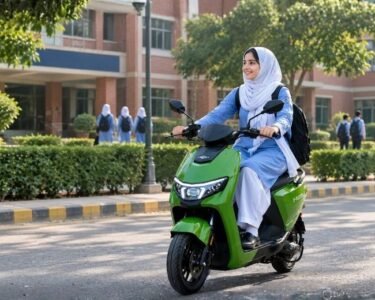
One of the primary objectives of the proposed policy is to accelerate the adoption of electric vehicles (EVs) across Pakistan. Government officials believe that expanding EV usage will not only reduce environmental pollution but also significantly lower the country’s dependence on imported fossil fuels.
The policy review comes as Pakistan prepares to replace the Automotive Industry Development and Export Plan (AIDEP) 2021-26. The new framework is expected to align with Pakistan’s broader New Energy Vehicle (NEV) strategy, which aims for electric and other new-energy vehicles to account for 30 percent of all new vehicle sales by 2030.
Focus on Local Manufacturing and Industry Growth
A major discussion point during the policy review was the expansion of domestic vehicle manufacturing capabilities. Policymakers are exploring industry-friendly regulations, incentives for EV adoption, and localization measures that would encourage local production of vehicles and auto parts.
Strengthening local manufacturing is expected to create thousands of skilled jobs, attract foreign investment, and enhance Pakistan’s position within the global automotive value chain. Industry stakeholders have consistently advocated for policies that support technology transfer and domestic production to reduce reliance on imports.
To ensure comprehensive industry participation, the government has approved the formation of a dedicated subcommittee tasked with engaging manufacturers, investors, and other stakeholders. The committee will provide recommendations to help shape a balanced and effective automotive policy that addresses both industry requirements and national economic priorities.
Economic Benefits of Vehicle Electrification
Government estimates suggest that large-scale vehicle electrification could reduce Pakistan’s annual fuel import bill by as much as $4.5 billion. Such savings would improve the country’s energy security, reduce pressure on foreign exchange reserves, and support economic stability.
In addition to financial benefits, electric vehicles offer substantial environmental advantages by reducing carbon emissions and helping Pakistan meet its climate action targets. The transition to cleaner transportation aligns with global trends as countries increasingly adopt sustainable mobility solutions.
Growing Interest from Local and International Automakers
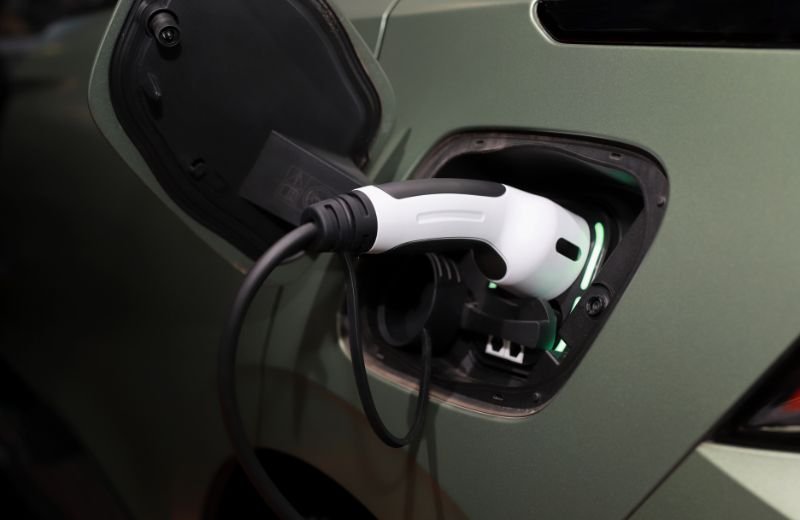
Pakistan’s evolving EV landscape is attracting attention from both domestic and international automotive manufacturers. Several electric vehicle assembly projects and strategic partnerships with global automakers are already underway, supported by government incentives and the gradual expansion of charging infrastructure.
Industry projections indicate that nearly 87 percent of the 23 new vehicle models expected to launch in Pakistan this year will feature electric, plug-in hybrid, or range-extended electric powertrains. This marks a major shift away from conventional internal combustion engine vehicles and demonstrates growing confidence in Pakistan’s emerging EV market.
A Key Pillar of Pakistan’s Future Industrial Strategy
The government views electric mobility as a central component of Pakistan’s long-term industrial modernization strategy. By promoting innovation, encouraging investment, and supporting sustainable transportation, the upcoming automotive policy aims to position Pakistan as a competitive player in the global automotive sector.
As policymakers finalize the new framework, the country’s transition toward electric vehicles is expected to play a vital role in driving economic growth, strengthening energy security, reducing emissions, and creating new opportunities for businesses and consumers alike.