

 By
By Tesla is taking another major step toward autonomous transportation with the Tesla Cybercab Launch, putting its purpose-built robotaxi at the center of the company’s next-generation mobility strategy.
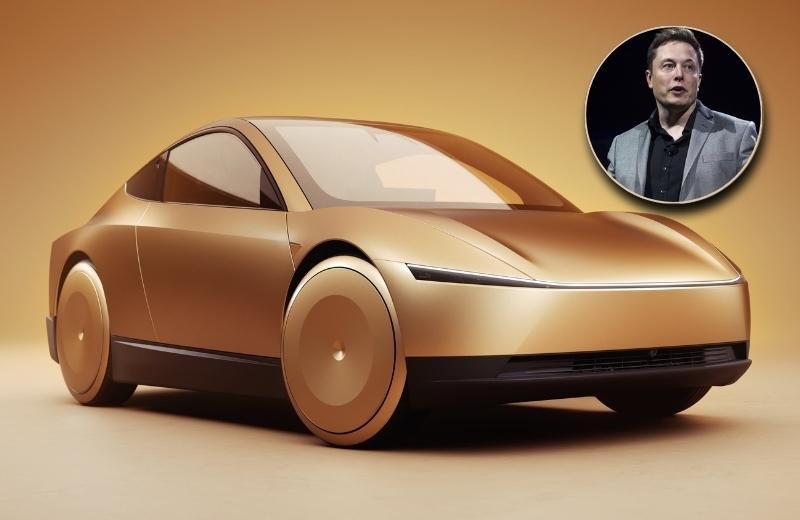
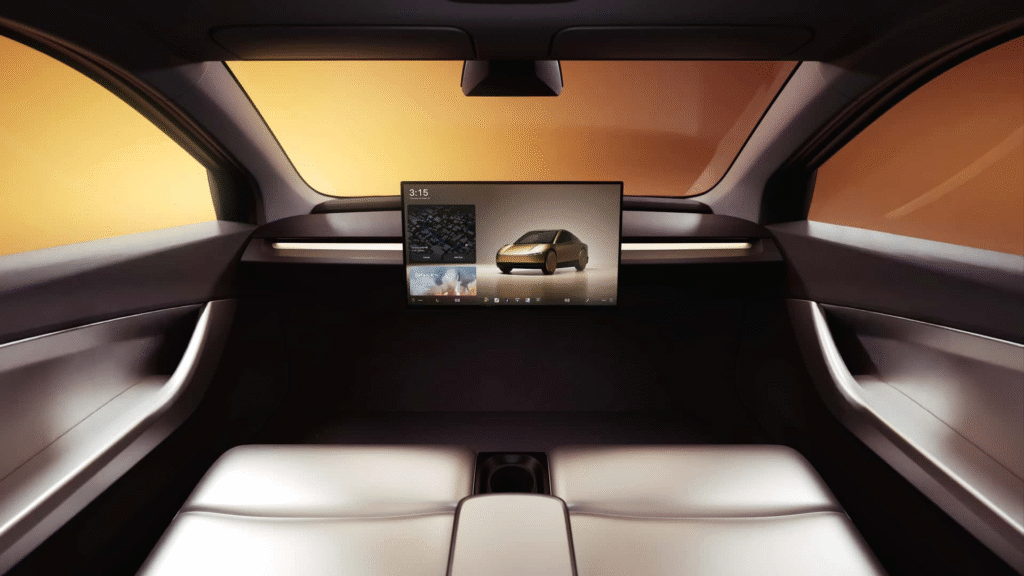
The Cybercab has been one of Tesla’s most closely watched projects since it was first unveiled by CEO Elon Musk in October 2024. Unlike Tesla’s conventional electric cars, the Cybercab was designed specifically for autonomous ride-hailing, with no steering wheel or pedals.
Tesla is now preparing for a major Cybercab event in Austin, Texas, on September 3, 2026. The event comes as the company moves from showcasing prototypes toward producing and deploying the vehicle as part of its wider Robotaxi ambitions.
| Tesla Cybercab Launch Info | Details |
|---|---|
| Launch Date | September 3, 2026 |
| Launch Location | Austin, Texas, USA |
| Vehicle Type | Fully autonomous electric robotaxi |
| Seating Capacity | 2 passengers |
| Expected Price | Below $30,000 (Tesla’s earlier target; final price not confirmed) |
| Driving Controls | No steering wheel or pedals |
| Key Technology | Tesla autonomous driving system, camera-based sensing and wireless/inductive charging planned |
Tesla Cybercab Pre-Launch Story
The Cybercab story began publicly in October 2024, when Tesla unveiled the vehicle at its highly anticipated robotaxi event in California.
At the time, Tesla said it expected to begin production in 2026. Musk also suggested that the vehicle could eventually be priced below $30,000, positioning the Cybercab as a potentially affordable autonomous vehicle rather than a conventional premium EV.
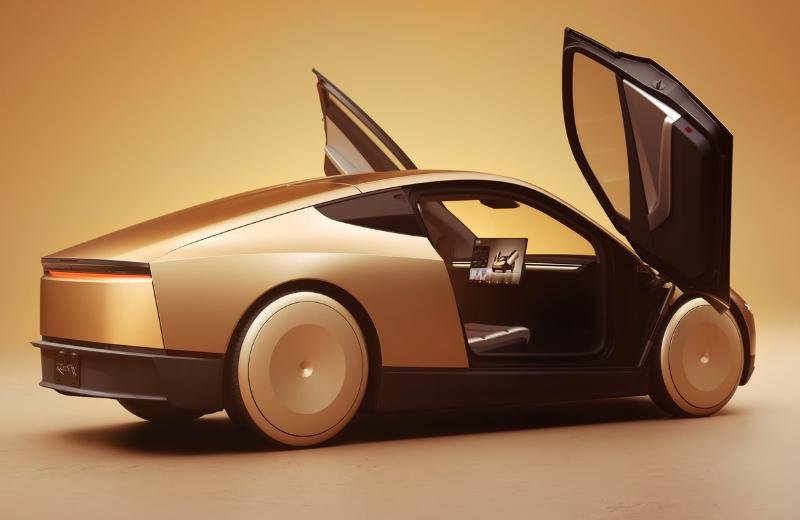
The original concept featured a compact two-seat design, gull-wing doors and a completely driverless cabin. Tesla also discussed inductive charging, which could allow the vehicle to recharge without requiring a conventional charging plug.
The design immediately separated the Cybercab from Tesla’s existing lineup. Instead of building another electric vehicle that a customer drives, Tesla designed the Cybercab around the idea that the vehicle itself would provide transportation.
Tesla Cybercab Launch Enters a New Phase
The biggest change since the 2024 reveal is that the Cybercab has moved beyond the prototype stage.
Tesla confirmed in April 2026 that Cybercab production had begun at Gigafactory Texas. The company had previously targeted 2026 for volume production, making this a significant milestone for its autonomous vehicle program.
Reports in 2026 have also indicated that Tesla has been building Cybercab units at its Texas facility as it prepares the vehicle for eventual robotaxi operations.
The September 3 event therefore arrives at an important point in the program. Tesla is no longer simply discussing what an autonomous vehicle could look like. The company is now attempting to establish how a purpose-built autonomous vehicle can operate as a commercial transportation service.
What Makes the Cybercab Different?
The most noticeable feature of the Cybercab is what it does not have.
There is no traditional steering wheel and no accelerator or brake pedal. The vehicle has been designed around the assumption that Tesla’s autonomous driving system will handle the driving task.
That approach is fundamentally different from today’s driver-assistance systems, where a human remains responsible for operating the vehicle.
Tesla’s broader Robotaxi strategy is already being tested using Model Y vehicles. According to Tesla, autonomous Robotaxi rides are currently available in selected cities including Austin, Dallas, Houston, Miami, Orlando and Tampa. The company says the Cybercab will offer rides in additional areas in the future.
This makes the Cybercab particularly important because it represents Tesla’s attempt to create a vehicle specifically optimized for a driverless transportation network.
Tesla’s Autonomous Driving Challenge
While the Cybercab’s design is futuristic, its success will ultimately depend on autonomous driving technology.
Tesla has taken a different approach from several competitors by emphasizing cameras and artificial intelligence rather than relying on lidar systems commonly used by other autonomous vehicle developers. That strategy has attracted both strong support and significant skepticism from industry observers.
The challenge is not simply building a car without controls. Tesla must demonstrate that the vehicle can safely navigate complicated real-world situations without a human driver ready to take control.
Safety, regulatory approval and the reliability of Tesla’s autonomous software will therefore be among the most important factors following the Tesla Cybercab Launch.

Tesla Cybercab vs Existing Robotaxis
The robotaxi market is becoming increasingly competitive.
Waymo already operates commercial driverless services in multiple U.S. cities, while Amazon’s Zoox has also moved into paid robotaxi operations. Recent expansions by both companies show how quickly the autonomous ride-hailing industry is developing.
Tesla’s advantage could come from its enormous vehicle fleet, charging infrastructure, software ecosystem and ability to manufacture vehicles at scale.
However, the Cybercab is entering a market where competitors already have significant real-world autonomous driving experience. Tesla will therefore need to demonstrate not only that its technology works, but that it can operate reliably and economically on a much larger scale.
Why the Tesla Cybercab Launch Matters
The Cybercab could represent a major change in Tesla’s business model.
Traditional carmakers make money primarily by selling vehicles to individual owners. A robotaxi network could potentially allow Tesla to generate revenue from vehicles repeatedly providing transportation services.
That means one Cybercab could potentially remain active within a ride-hailing network for much of its operating life rather than sitting unused for long periods like many privately owned vehicles.
Tesla has previously estimated that Cybercab operating costs could eventually be around 20 cents per mile, although the actual economics of a large-scale commercial service will depend on production costs, maintenance, energy prices, insurance, regulation and autonomous driving performance.
What Comes Next for Cybercab?
The September 2026 launch is an important milestone, but it does not automatically mean that Cybercab robotaxis will immediately become available everywhere.
Tesla still faces technological and regulatory challenges before the vehicle can be deployed broadly without human supervision.
The company has already been testing autonomous ride services with Model Y vehicles, while the Cybercab represents the longer-term vision of a vehicle built from the beginning for driverless operation.
If Tesla can successfully scale production and obtain the necessary approvals, Cybercab could become one of the most important vehicles in the company’s history.
For now, the Tesla Cybercab Launch marks another major step in Tesla’s attempt to turn autonomous driving from an experimental technology into a commercial transportation business.
The next question is no longer whether Tesla can build a robotaxi. It is whether Tesla can safely, legally and economically operate millions of them on public roads.