


 By
By Karachi’s ongoing public transport strike is set to continue on Friday after negotiations between transport operators and the Sindh government failed to produce a breakthrough regarding the controversial electronic traffic challan (e-challan) system.
The strike, led by the Karachi Transport Alliance, has significantly disrupted public transportation services across Pakistan’s largest city, leaving thousands of commuters struggling to reach workplaces, educational institutions, offices, and industrial zones.
Public Transport Services Remain Suspended
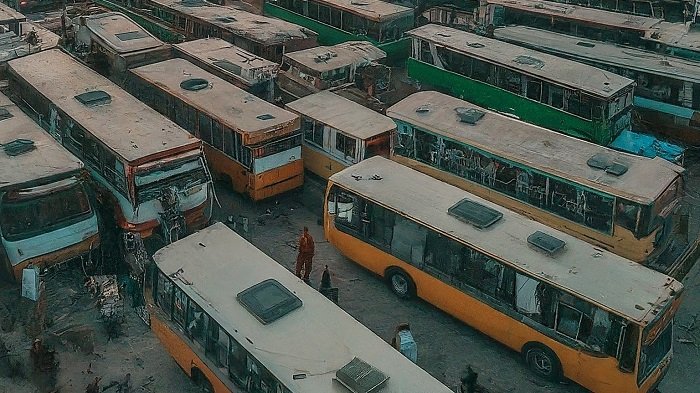
On Thursday, buses, minibuses, and coaches remained off the roads as transporters observed a wheel-jam strike in protest against what they describe as excessive fines issued through the electronic challan system. The suspension of services created major difficulties for residents who rely on public transport as their primary mode of travel.
The Karachi Transport Alliance announced that the strike would continue after discussions with provincial authorities failed to address the concerns raised by transport operators.
Why Are Transporters Protesting?
According to transport representatives, the primary issue revolves around the implementation of the e-challan system, which uses surveillance cameras and digital monitoring to identify traffic violations and issue penalties.
Transporters argue that many of the fines imposed under the system are excessively high and place a heavy financial burden on vehicle owners and operators. They claim that, in several cases, the penalties exceed the daily earnings generated by public transport vehicles.
Karachi Transport Alliance President Haji Tawab Khan stated that talks with government officials did not yield any meaningful outcome, prompting transporters to extend the strike until their demands are addressed.
Impact on Commuters
The continuation of the strike is expected to affect thousands of daily commuters across Karachi. Workers, students, and residents traveling to commercial and industrial areas have been forced to seek alternative transportation, often at higher costs.
Ride-hailing services, rickshaws, and private transport options have witnessed increased demand as citizens attempt to cope with the shortage of public transport vehicles.
Government and Transporters Yet to Reach Agreement
The Sindh government and transport representatives remain divided on the issue, with no immediate resolution in sight. Transporters insist that revisions to the e-challan system and fine structure are necessary before normal operations can resume.
Until an agreement is reached, public transport services across Karachi are expected to remain suspended, continuing to create challenges for commuters and adding pressure on the city’s already strained transportation network.
The coming days will be crucial as both sides attempt to find common ground and restore normal public transport operations in Karachi.