


 By
By The Punjab government has announced a major investment of Rs. 40 billion in the fiscal year 2026-27 to develop charging infrastructure for its rapidly expanding electric bus network. The initiative is aimed at overcoming one of the most significant challenges facing electric public transportation—adequate charging facilities to support a growing fleet of electric buses.
The allocation reflects Punjab’s commitment to modernizing public transport, reducing urban pollution, and accelerating the transition toward environmentally friendly mobility solutions. As electric buses continue to roll out across the province, authorities are focusing on building the necessary infrastructure to ensure reliable and efficient operations.
Punjab’s Electric Bus Network Continues to Grow
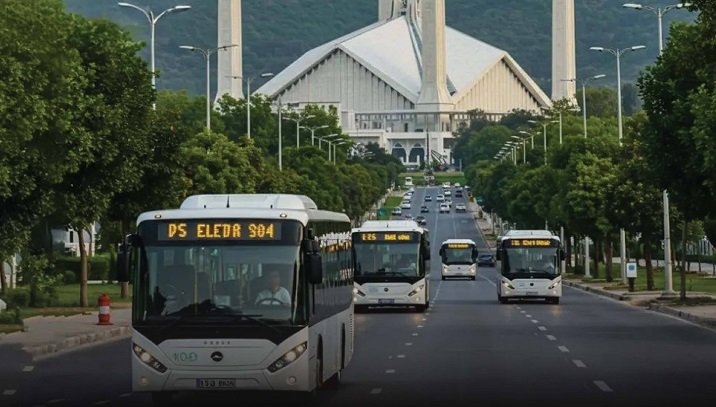
Punjab has emerged as a leader in electric public transportation in Pakistan. According to government officials, approximately 400 electric buses are already operating in 18 districts, providing affordable and eco-friendly transportation to thousands of commuters daily.
The provincial government has set an ambitious target of expanding the fleet to 1,900 electric buses during 2026, significantly increasing the availability of clean public transport services across urban and semi-urban areas.
To support this expansion, another 488 electric buses are expected to arrive in Pakistan by the end of August 2026. These buses will be deployed in phases across multiple districts to improve connectivity and transportation accessibility.
New Electric Bus Routes Planned Across Punjab
The first phase of expansion will introduce electric bus services in several districts, including:
- Khanewal
- Khushab
- Bhakkar
- Attock
- Mandi Bahauddin
- Hafizabad
The second phase will further extend operations to 14 additional districts, including:
- Gujranwala
- Multan
- Sialkot
- Okara
- Murree
- Gujrat
This expansion is expected to bring modern public transport services to regions that have historically faced transportation challenges.
Charging Infrastructure Remains a Critical Challenge
Despite the rapid growth of the electric bus fleet, charging infrastructure has not expanded at the same pace. Reports indicate that Punjab currently has charging facilities capable of serving only 41 electric buses at a time.
This infrastructure gap poses a significant challenge as the province prepares to accommodate nearly 2,000 electric buses in the coming years. Without adequate charging stations, operational efficiency and service reliability could be affected.
Rs. 40 Billion Investment to Bridge the Gap
The newly allocated Rs. 40 billion will be used to establish charging stations, charging hubs, and related electrical infrastructure across Punjab. These facilities are expected to be installed at bus depots, transport terminals, and strategically selected locations to ensure uninterrupted operations.
The investment will also help strengthen the province’s broader electric mobility ecosystem by encouraging the adoption of EV technologies and supporting future public transport projects.
A Major Step Toward Sustainable Transportation
Punjab’s electric bus initiative represents one of Pakistan’s largest public transport electrification programs. By combining fleet expansion with large-scale charging infrastructure development, the government aims to create a sustainable and efficient transportation network that reduces fuel consumption, lowers emissions, and improves the commuting experience.
With 1,900 electric buses planned and a dedicated Rs. 40 billion infrastructure budget, Punjab is positioning itself at the forefront of Pakistan’s transition toward green and smart public transportation.
Disclaimer
The information and figures mentioned in this article are based on the available information at the time of publishing. Project timelines, bus deployments, and infrastructure development schedules may change based on government approvals, procurement processes, and operational requirements.