


 By
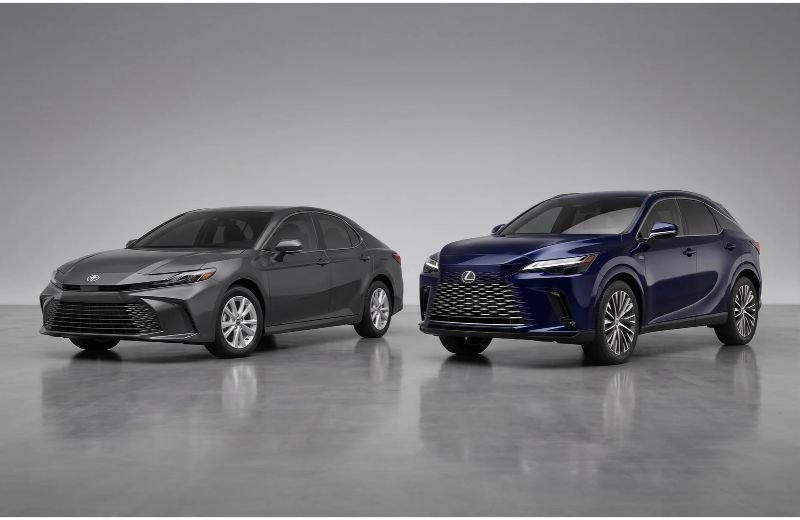
By Toyota and Lexus recorded a major increase in electrified vehicle sales in the United States during the third quarter of 2026. Electrified models accounted for a record 61% of the automaker’s total sales between July and September.
The group sold 633,223 Toyota and Lexus vehicles in the U.S. during Q3. That represents a 0.6% increase from the same period last year. Electrified vehicle sales, however, climbed much faster and reached 363,367 units, up 28.5% year over year.
Toyota Electrified Sales Hit a New High
Toyota’s electrified lineup includes conventional hybrids, plug-in hybrids and fully electric vehicles. Together, these models represented more than three-fifths of the company’s U.S. sales during the third quarter.
Conventional hybrids continued to make up the largest share of electrified sales. Plug-in hybrids and battery-electric vehicles contributed a smaller portion, but several EV models also recorded significant growth.
The stronger demand comes as U.S. consumers continue to face elevated fuel costs. Higher gasoline prices have made fuel-efficient vehicles more attractive, particularly for buyers who want lower running costs without switching completely to an electric vehicle.
Which Toyota Models Are Selling Best?
Toyota reports monthly and year-to-date figures for individual models rather than quarterly sales totals. Through the first nine months of 2026, the company sold 931,434 hybrid vehicles.
The Camry has remained Toyota’s best-selling model so far this year. The RAV4 follows it, while the Sienna sits further behind.
The RAV4 is undergoing an important transition because the latest sixth-generation model is now offered exclusively as a hybrid. Production has also been ramping up, which affected its availability and sales during the period.
RAV4 sales fell 6.6% in September and were down 29.2% year to date. Strong demand for other hybrid models helped offset some of that decline.
The Camry, Sienna Hybrid and Grand Highlander Hybrid have all contributed to Toyota’s wider hybrid sales growth.
Toyota’s Electric Vehicle Sales Are Growing
Toyota’s battery-electric sales remain much smaller than its hybrid volumes, but some models are gaining ground.
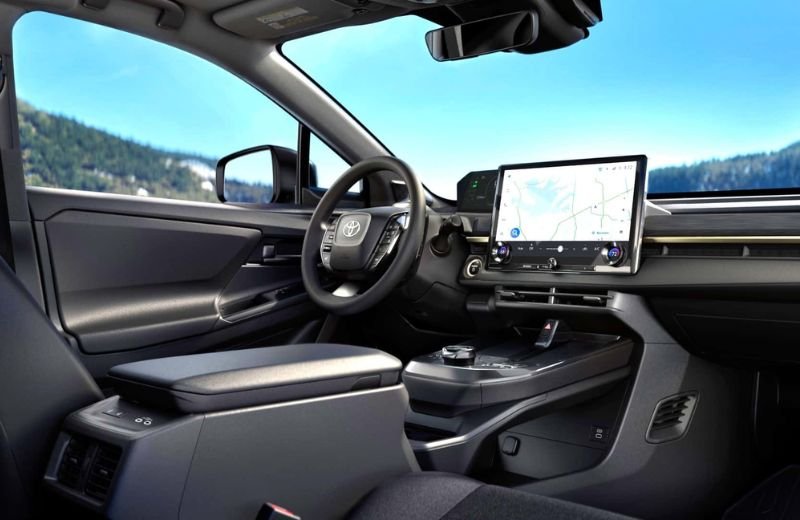
The refreshed Toyota bZ recorded one of the company’s strongest EV increases. Sales reached 24,994 units through the first three quarters of 2026, representing a 103% increase compared with the same period last year.
That performance puts the bZ ahead of the Chevrolet Equinox EV, which recorded 18,154 units during the same period. However, Hyundai’s Ioniq 5 remained ahead with 31,112 sales.

Toyota’s newer C-HR and bZ Woodland EVs have yet to make a major impact on overall electric sales. The C-HR recorded 7,215 units from January through September, while the bZ Woodland reached 2,600 units.
Lexus Also Sees Strong Electrified Demand
Lexus is contributing to the group’s growing electrified sales mix as well.
The RX remains Lexus’ best-selling model. The luxury crossover recorded 89,824 sales year to date, including 37,448 hybrid models and 5,738 plug-in hybrids.
Lexus has also seen stronger demand for its fully electric RZ. Sales reached 10,214 units through September, more than double the figure recorded during the same period last year.
Also read Range Rover Sport Electric Debuts With 378-Mile Range and 350 kW Charging
The latest ES lineup shows a similar preference for hybrid power. Through September, Lexus sold 5,133 ES Hybrid models compared with 2,083 examples of the fully electric ES.
Why Are Toyota Hybrids So Popular?
Toyota’s sales results highlight the continued appeal of hybrid powertrains in the U.S. market.
Hybrids can reduce fuel consumption while retaining the convenience of conventional refueling. That combination has helped Toyota build a large customer base for electrified vehicles without relying entirely on battery-electric models.
Higher gasoline prices have also strengthened the appeal of fuel-efficient vehicles. This trend benefits automakers such as Toyota, which already offer hybrid versions across a large portion of their lineups.
What Toyota’s Q3 Results Mean for Electrification
Toyota’s third-quarter results show that vehicle electrification does not depend entirely on battery-electric sales. Hybrids, plug-in hybrids and EVs together now represent the majority of Toyota and Lexus sales in the U.S.
The 28.5% increase in electrified vehicle sales is particularly significant because overall group sales were almost flat. It shows that customers are increasingly choosing electrified powertrains even when total vehicle demand changes very little.
Toyota’s hybrid-heavy strategy continues to drive most of that growth, while its newer EVs are gradually expanding their contribution. With more electrified models entering the lineup, the company’s sales mix could continue shifting toward lower-emission powertrains in the coming years.