

 By
By Ford is shifting its electrification strategy by using electric vehicle technology to improve its future hybrid lineup. The company plans to apply breakthroughs from its dedicated EV development program to create more efficient and affordable hybrid models in the coming years.
The move reflects a broader change in the auto industry. Automakers once adapted combustion platforms to build electric cars. Now, companies like Ford are reversing that approach by using EV technology as the foundation for hybrid development.
Ford’s internal EV development team, often referred to as its skunkworks group, plays a central role in this transition. The team is working on a new Universal EV Platform that will support a range of future vehicles. Innovations from this platform will also influence hybrid systems across Ford’s global lineup.
The company expects that nearly 90 percent of its global nameplates will offer electrified powertrains by the end of the decade. These will include traditional hybrids, plug-in hybrids, extended-range electric vehicles, and fully electric models.
EV Breakthroughs Driving Hybrid Efficiency
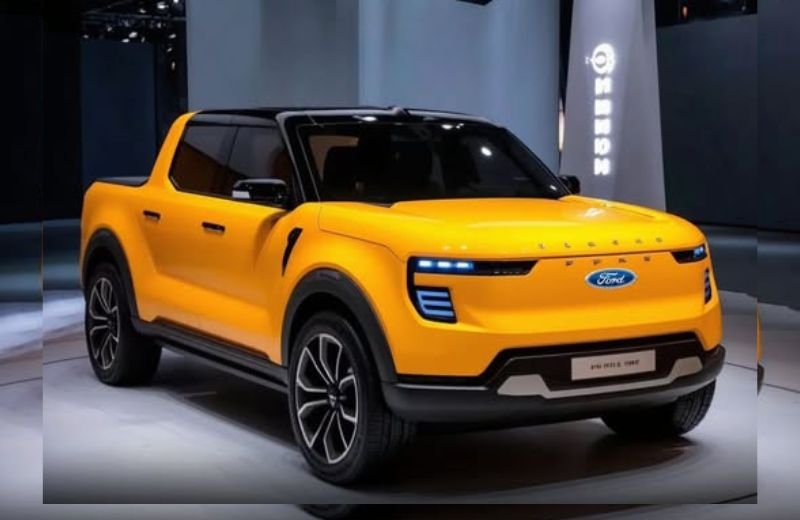
One of the key sources of innovation is Ford’s upcoming mid-size electric pickup, expected to cost around 30,000 dollars. Engineers have developed highly efficient electric motors for this vehicle, focusing on reducing production costs while maintaining performance.
Ford says the front and rear drive units in the new EV platform are among the most cost-effective in the industry. These components will likely be adapted for hybrid vehicles, helping reduce manufacturing costs and improve fuel efficiency.
Currently, Ford offers a limited number of electric models in the United States, including the Mustang Mach E and E Transit van. In international markets, the company has expanded its EV lineup with models like the Explorer EV, Capri, and Puma Gen E.
At the same time, Ford has scaled back some of its earlier EV plans. The company discontinued the F 150 Lightning electric pickup and canceled several next-generation EV projects. This shift highlights a more balanced approach that combines electric and hybrid technologies.
Industry competition also plays a role in Ford’s strategy. Chinese automakers have gained global attention with competitively priced electric and hybrid vehicles. Their focus on efficiency and affordability has increased pressure on traditional manufacturers.
Ford CEO Jim Farley has acknowledged the growing competition from Chinese EV brands. He has also emphasized the need for innovation to remain competitive in a rapidly evolving market.
Also read Over 2 Million Motorcycle Licenses Issued in Punjab
By integrating EV advancements into hybrid vehicles, Ford aims to deliver better performance, lower costs, and improved fuel economy. This approach allows the company to adapt to uncertain market conditions while continuing its transition toward electrification.
The strategy signals a shift in how automakers view electric technology. Instead of treating EVs as separate products, companies are now using them as a foundation for broader innovation across all vehicle types.
Ford’s plan to combine EV breakthroughs with hybrid systems could shape its future lineup and influence how the industry approaches electrification in the years ahead.