


 By
By Pakistan is set to take a major step toward modernizing its road infrastructure as Federal Minister for Communications Abdul Aleem Khan has directed authorities to accelerate the implementation of Intelligent Transportation Systems (ITS) and introduce cashless electronic toll collection on major highways and motorways across the country.
The directive was issued during a high-level review meeting held at the National Highways and Motorway Police Headquarters, where officials discussed ongoing efforts to improve traffic management, road safety, and commuter services. As part of the latest initiative, the minister ordered the immediate inclusion of the M2 Motorway in the nationwide ITS program.
Smart Technology for Safer Roads
Intelligent Transportation Systems are increasingly being adopted worldwide to enhance traffic flow, improve road safety, and provide real-time monitoring of transport networks. Under the proposed framework, cameras, security infrastructure, communication networks, and monitoring systems will be integrated into a unified technological platform.
The move is expected to strengthen surveillance capabilities on highways while enabling authorities to respond more effectively to traffic incidents, emergencies, and security threats. Advanced monitoring systems can also help identify violations, improve enforcement, and reduce accidents through data-driven traffic management.
Cashless Toll Collection to Reduce Delays
One of the key announcements from the meeting was the planned introduction of a free-flow electronic toll collection system. The new system aims to eliminate long queues at toll plazas by allowing vehicles to pass through designated lanes without stopping to make cash payments.
Electronic tolling has become a standard feature on many modern road networks around the world, helping reduce congestion, lower fuel consumption, and improve travel times. For motorists in Pakistan, the shift toward cashless toll payments could lead to a more convenient and efficient travel experience.
Integration with Safe City Network
The minister also directed authorities to connect the electronic tolling infrastructure with Pakistan’s Safe City security systems. This integration is expected to enhance traffic monitoring capabilities while assisting law enforcement agencies in identifying suspicious vehicles and supporting crime prevention efforts.
By linking transportation and security networks, authorities aim to create a more comprehensive monitoring ecosystem that benefits both commuters and public safety agencies.
Improved Facilities and Emergency Response Services
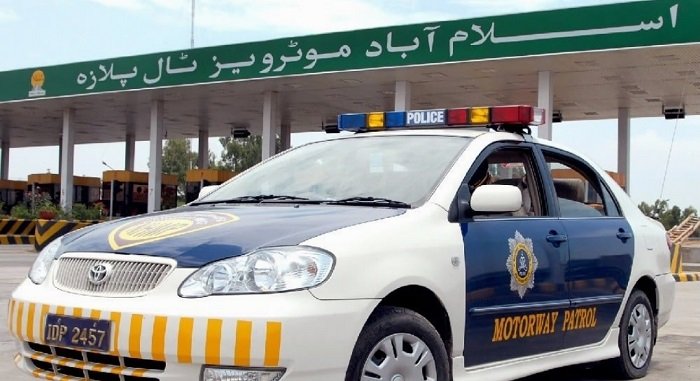
In addition to technological upgrades, Abdul Aleem Khan emphasized the importance of improving services for travelers. He instructed officials to ensure the presence of Motorway Police personnel at all motorway service areas and maintain uniform standards of facilities throughout the network.
The minister further ordered the deployment of Rescue 1122 personnel, fire brigades, and fully equipped ambulances at service areas along motorways and national highways. These measures are expected to enhance emergency response capabilities and provide faster assistance during accidents or roadside emergencies.
A Step Toward Modern Transport Infrastructure
The expansion of Intelligent Transportation Systems and the introduction of cashless toll collection represent an important milestone in Pakistan’s efforts to modernize its transportation infrastructure. By leveraging advanced technology, improving emergency services, and strengthening security integration, authorities aim to create safer, more efficient, and commuter-friendly highways for millions of travelers across the country.
As implementation progresses, motorists can expect a more streamlined travel experience supported by modern digital systems and enhanced road safety measures.
Disclaimer:
This article is for informational purposes only. Readers are advised to verify details from relevant authorities, as plans, policies, and implementation timelines may change over time.