


 By
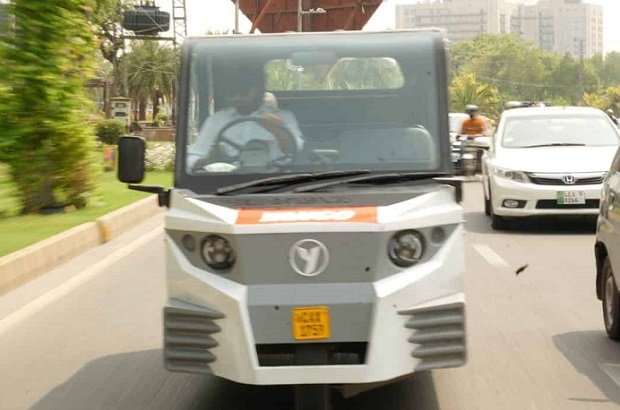
By Electric mobility appears to be gaining momentum in Pakistan as electric rickshaws have recently been spotted across several areas of Lahore, drawing the attention of commuters, motorists, and residents alike. The branded electric three-wheelers are widely believed to be associated with Yango, the ride-hailing and mobility platform that has been actively promoting sustainable transportation solutions in the country.
Although no official announcement has yet confirmed a large-scale rollout, the growing visibility of these electric rickshaws has sparked excitement and speculation about the future of urban transportation in Lahore. Their appearance suggests that cleaner, quieter, and more environmentally friendly commuting options may soon become an integral part of daily life in Pakistan’s second-largest city.
A Glimpse Into the Future of Commuting
The increasing number of electric rickshaws seen on Lahore’s roads provides a preview of how urban mobility could evolve in the coming years. Unlike conventional petrol or CNG-powered rickshaws, electric rickshaws produce zero tailpipe emissions, operate more quietly, and offer a smoother riding experience.
For commuters, these vehicles could mean:
- Cleaner and quieter city transportation
- Reduced air pollution
- Lower operating costs for drivers
- More comfortable rides
- Greater adoption of sustainable mobility solutions
As Pakistan continues exploring alternatives to fossil-fuel-powered transport, electric rickshaws could play a significant role in reducing emissions while improving the overall commuting experience.
Yango’s Growing Interest in Electric Mobility
Yango has recently shown increasing interest in supporting electric mobility initiatives in Pakistan. The company’s apparent deployment of branded electric rickshaws across prominent locations in Lahore reflects its broader vision of promoting sustainable transportation and embracing next-generation mobility technologies.
While the company has yet to officially detail its electric rickshaw strategy, the visible presence of these vehicles suggests that Yango may be preparing to expand its eco-friendly transportation services as demand for electric vehicles continues to rise.
Public Curiosity Continues to Grow
The appearance of multiple electric rickshaws has generated significant discussion among Lahore residents, with many expressing curiosity and excitement.
One commuter who spotted the vehicles shared their reaction:
“I had to look twice because seeing so many electric rickshaws together was completely unexpected! It felt like catching a glimpse of what the future of Lahore’s roads could look like, and it definitely made me want to take a ride.”
Such reactions reflect growing public interest in electric transportation as awareness of environmental sustainability and fuel efficiency continues to increase.
Why Electric Rickshaws Matter?
Pakistan’s urban centres face growing challenges related to traffic congestion, fuel prices, and air pollution. Electric three-wheelers offer several advantages that could help address these issues:
- Lower carbon emissions
- Reduced dependence on imported fuel
- Lower maintenance costs compared to internal combustion engines
- Quieter operation in densely populated areas
- Support for Pakistan’s long-term clean energy and EV goals
As charging infrastructure expands and electric vehicle technology becomes more affordable, electric rickshaws could become a practical transportation option for both drivers and passengers.
Could This Be the Beginning of a Larger EV Shift?
The recent sightings of Yango-branded electric rickshaws may represent more than just a pilot initiative—they could signal the beginning of a broader transformation in Pakistan’s urban mobility landscape.
Government policies encouraging electric vehicles, combined with increasing investment from private mobility companies, indicate that Pakistan is gradually moving toward cleaner transportation. Lahore, as one of the country’s largest metropolitan cities, is expected to play a key role in this transition.
If these early deployments prove successful, similar electric mobility initiatives could eventually expand to other major cities, including Karachi, Islamabad, Faisalabad, and Rawalpindi.
Looking Ahead
While Yango has not officially announced a nationwide electric rickshaw program, the increasing number of branded vehicles seen across Lahore suggests that electric mobility is steadily becoming a reality rather than a distant vision.
For commuters, drivers, and city planners alike, these electric rickshaws offer a glimpse into a future where transportation is cleaner, quieter, and more sustainable. As Pakistan continues embracing electric vehicles, initiatives like these could help reshape daily commuting while supporting the country’s broader environmental and energy goals.
Disclaimer: This article is based on publicly observed sightings of branded electric rickshaws in Lahore and available information at the time of writing. Yango has not officially confirmed the scale, purpose, or timeline of any electric rickshaw deployment. Any references to the company’s involvement are based on visible branding and should be considered preliminary until formally announced.