


 By
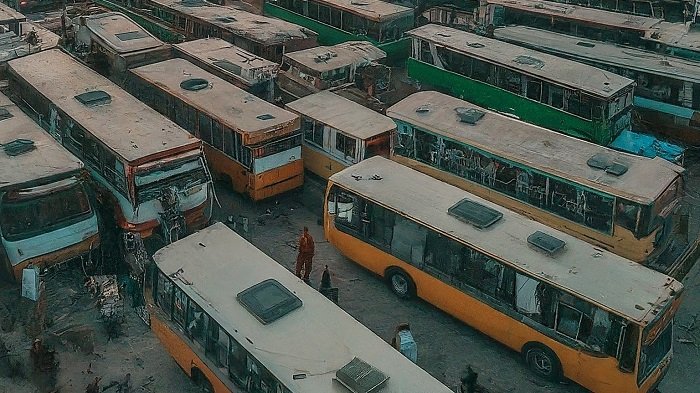
By Karachi’s public transportation system is likely to face significant disruption after the Karachi Bus Owners Association announced an indefinite strike starting June 18. The decision comes in response to what transport operators describe as excessive traffic challans and rising financial penalties imposed on public transport vehicles across the city.
The strike is expected to impact thousands of commuters who rely on buses as their primary mode of transportation. Students, office workers, daily wage earners and other regular passengers could face considerable difficulties reaching their destinations if the suspension of services continues for an extended period.
Bus Owners Cite Rising Financial Pressure
Speaking to the media, Karachi Bus Owners Association President Farooq Ahmed urged all transport operators to fully participate in the strike by keeping their vehicles off the roads beginning June 18.
According to the association, public transport operators are already struggling with increasing operational expenses, including rising fuel prices, vehicle maintenance costs, spare parts inflation and employee salaries. Bus owners argue that the growing number of traffic challans and heavy fines has further increased the financial burden on the transport sector.
Transport operators believe the current enforcement system has become difficult to sustain, particularly for smaller bus owners operating on narrow profit margins. The association has demanded that authorities review the penalty structure and engage with stakeholders to address their concerns.
Thousands of Commuters Could Be Affected
Karachi, Pakistan’s largest city, depends heavily on public transport for daily mobility. A prolonged strike could create major challenges for residents who use buses to travel between residential areas, commercial districts and educational institutions.
With buses off the roads, commuters may be forced to rely on ride-hailing services, rickshaws, taxis and private transport options. This could lead to increased transportation costs, heavier traffic congestion and higher demand for alternative travel services.
Many office employees and students are particularly concerned about potential delays and difficulties in reaching workplaces and educational institutions if the strike continues beyond a few days.
Impact on Karachi’s Transport Network
The announcement comes at a time when Karachi is working to improve its public transportation infrastructure through initiatives such as the People’s Bus Service and the planned introduction of additional electric and double-decker buses.
Transport experts warn that any prolonged disruption in conventional bus services could place additional pressure on existing public transport networks and create challenges for urban mobility across the city.
The Karachi Bus Owners Association has stated that the strike will continue until authorities address concerns regarding traffic challans and fines. As negotiations unfold, commuters are advised to stay updated on transport developments and consider alternative travel arrangements if necessary.
The coming days will determine whether discussions between transport operators and government authorities can prevent a prolonged disruption to Karachi’s already strained public transportation system.
Disclaimer: This article is based on information available at the time of publication. Transport schedules, strike plans, and government decisions may change without prior notice. Commuters are advised to verify the latest updates from relevant authorities and transport operators before making travel arrangements.