

 By
By Karachi Traffic Police have announced plans to significantly expand their artificial intelligence (AI)-powered traffic enforcement system to several major locations across the city by August 2026. The expansion will cover Airport Road, Clifton, and the busy Do Talwar and Teen Talwar intersections, marking another step toward modernizing traffic management in Pakistan’s largest metropolis.
The announcement was made by DIG Traffic Pir Muhammad Shah, who revealed that the technology is currently undergoing testing on Shahrah-e-Faisal, one of Karachi’s busiest and most important roads.
AI Cameras Monitoring Traffic Violations 24/7
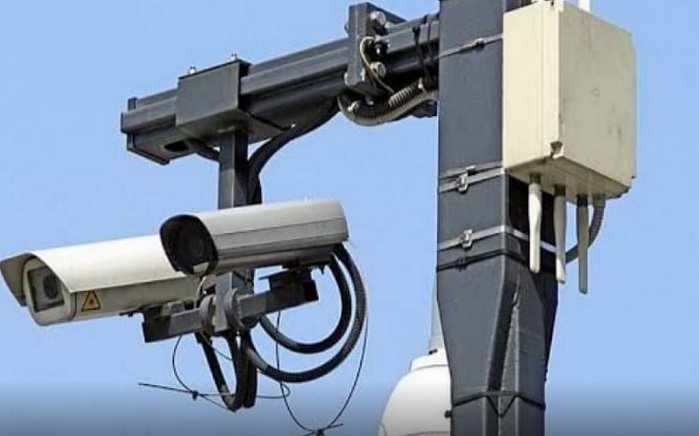
As part of the pilot project, Karachi Traffic Police have installed 20 high-resolution Automatic Number Plate Recognition (ANPR) cameras along Shahrah-e-Faisal up to Drigh Road. These advanced cameras operate round the clock and are capable of automatically detecting lane violations and identifying offending vehicles.
According to officials, Shahrah-e-Faisal was selected as the testing ground because of its heavy traffic flow and strategic importance. The road serves thousands of commuters daily and has long faced challenges related to lane discipline and congestion.
The AI-powered system is currently generating approximately 100 electronic challans every day for lane violations, demonstrating the effectiveness of automated enforcement.
Improved Traffic Discipline Already Visible
DIG Traffic Pir Muhammad Shah stated that the technology has already begun producing encouraging results. Traffic flow on Shahrah-e-Faisal has improved noticeably, while public transport vehicles, particularly buses, are increasingly adhering to designated lanes.
“If we can establish discipline on Karachi’s busiest artery, we can replicate the same success on any road in the city,” he said.
Traffic experts believe that consistent enforcement through AI technology can help reduce congestion, improve road safety, and encourage motorists to follow traffic regulations more closely.
No First-Offense Waiver for Violators
Authorities have clarified that motorists violating lane rules on Shahrah-e-Faisal will not receive a first-offense waiver. However, a one-time deferment option is available under specific circumstances.
The system has also been designed to distinguish between deliberate violations and genuine emergencies. Cases involving vehicle breakdowns, road hazards, potholes, or other unavoidable situations are flagged for manual review before any penalty is imposed.
This feature aims to ensure fairness while maintaining strict enforcement standards.
Updated Fine Structure for Lane Violations
The AI-powered enforcement system imposes fines based on vehicle category and the level of risk posed by the violation. The current penalty structure includes:
- Motorcycles and rickshaws: Rs. 2,500
- Private cars: Rs. 5,000
- Buses and coaches: Rs. 7,500
- Dumpers and tankers: Rs. 10,000
Traffic police believe that these penalties will act as a deterrent and encourage greater compliance with lane discipline regulations.
Karachi’s Move Towards Smart Traffic Management
The planned expansion of AI-based traffic enforcement reflects Karachi’s broader efforts to adopt smart city technologies and improve urban mobility. By leveraging ANPR cameras, automated monitoring, and data-driven enforcement, authorities aim to create safer roads and reduce traffic-related violations across the city.
With the successful pilot phase already showing positive results, residents can expect stricter monitoring and enhanced traffic management at several key locations in the coming months as the system expands citywide.
Disclaimer: The expansion timeline, enforcement procedures, and penalty amounts are based on information provided by Karachi Traffic Police and may be revised by authorities. Motorists should follow official traffic advisories and regulations issued by the relevant departments.