


 By
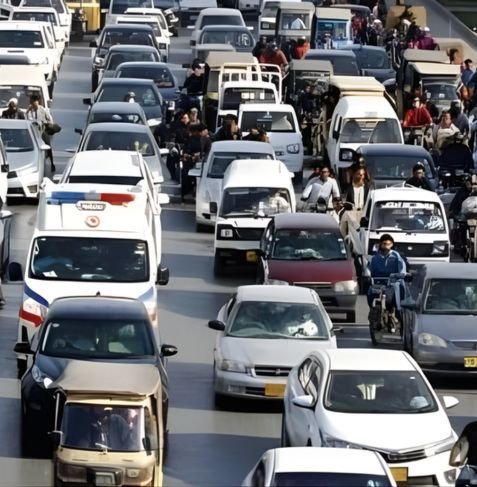
By The Karachi Traffic Police is preparing to significantly expand its artificial intelligence (AI)-powered traffic enforcement system across some of the city’s busiest corridors. Following the successful pilot on Shahrah-e-Faisal, authorities have confirmed that Airport Road, Clifton, and the Do Talwar and Teen Talwar junctions will be integrated into the smart enforcement network by August 2026.
The initiative is part of the city’s broader effort to improve road safety, reduce traffic congestion, and strengthen compliance with lane discipline through advanced surveillance technology.
Successful Pilot on Shahrah-e-Faisal
According to DIG Traffic Pir Muhammad Shah, Shahrah-e-Faisal was selected as the pilot location because it carries one of the highest traffic volumes in Karachi. The corridor is currently monitored by 20 high-resolution Automatic Number Plate Recognition (ANPR) cameras operating 24 hours a day, covering the stretch up to Drigh Road.
The AI-powered system automatically detects lane violations and captures vehicle registration details, enabling traffic police to issue electronic challans without requiring officers to stop vehicles on the road.
Officials report that the pilot project has proven highly effective, with the system issuing an average of 100 challans every day for lane violations.
Expansion to Key Traffic Corridors
Following the encouraging results on Shahrah-e-Faisal, Karachi Traffic Police plans to extend the AI-based enforcement system to several other high-traffic locations, including:
- Airport Road
- Clifton
- Do Talwar
- Teen Talwar
These roads experience heavy daily traffic and are frequently affected by congestion caused by lane indiscipline and unsafe driving practices.
Authorities believe the expansion will help create a more organized traffic flow while improving compliance with road rules throughout Karachi.
AI System Differentiates Genuine Emergencies
DIG Pir Muhammad Shah emphasized that the AI system is not designed to penalize motorists unfairly.
While the cameras automatically identify lane violations, every questionable case is reviewed manually to distinguish between intentional traffic offences and genuine emergencies. Situations such as vehicle breakdowns, damaged roads, or unavoidable diversions are assessed before penalties are finalized.
This hybrid approach combines AI technology with human oversight to ensure fair enforcement.
No First-Offence Waiver on Shahrah-e-Faisal
Motorists using Shahrah-e-Faisal have been advised that there is no automatic waiver for a first lane violation. However, traffic authorities may provide a one-time deferment option under specific circumstances.
Officials are urging drivers to remain within designated lanes and follow traffic regulations to avoid fines and contribute to smoother traffic movement.
Updated Lane Violation Fines
The AI-based enforcement system applies fines based on the vehicle category and the level of risk posed by the violation.
Current penalties include:
- Motorcycles and rickshaws: Rs. 2,500
- Cars: Rs. 5,000
- Buses: Rs. 7,500
- Dumpers and tankers: Rs. 10,000
Authorities say the differentiated penalty structure is intended to encourage safer driving practices while reflecting the potential risks associated with larger commercial vehicles.
Positive Impact on Traffic Flow
Traffic police officials say the pilot project has already produced visible improvements on Shahrah-e-Faisal. Public transport vehicles and commercial traffic are increasingly remaining within designated lanes, leading to smoother vehicle movement and reduced bottlenecks during peak hours.
The introduction of AI-driven monitoring has also minimized the need for manual enforcement, allowing traffic officers to focus on incident response and traffic management instead of routine lane violation checks.
Karachi’s Move Toward Smart Traffic Management
The expansion of AI-powered traffic enforcement marks another step toward Karachi’s transition to smart traffic management. By leveraging ANPR cameras and artificial intelligence, authorities aim to improve road discipline, reduce congestion, and enhance overall road safety across the city.
If the rollout proceeds as planned, Airport Road, Clifton, and the Do Talwar and Teen Talwar junctions will join Shahrah-e-Faisal as part of Karachi’s growing intelligent traffic enforcement network, helping create a safer and more efficient commuting experience for motorists.
Disclaimer:
This article is based on statements made by Karachi Traffic Police officials. Traffic enforcement plans, implementation timelines, and fine structures are subject to change based on official notifications issued by the relevant authorities.