

 By
By Electric vehicles (EVs) are rapidly gaining attention in Pakistan as fuel prices continue to rise and consumers look for smarter, long-term transportation solutions. From electric SUVs to compact city EVs, the Pakistani automotive market is slowly transitioning toward cleaner and more efficient mobility.
However, many buyers still ask an important question:
What is the real cost of owning an electric vehicle in Pakistan?
While EVs can reduce fuel and maintenance expenses, ownership also involves charging infrastructure, electricity costs, battery performance, insurance, and resale considerations.
This detailed 2026 guide explains the actual financial impact of EV ownership in Pakistan and whether switching from petrol to electric makes economic sense.
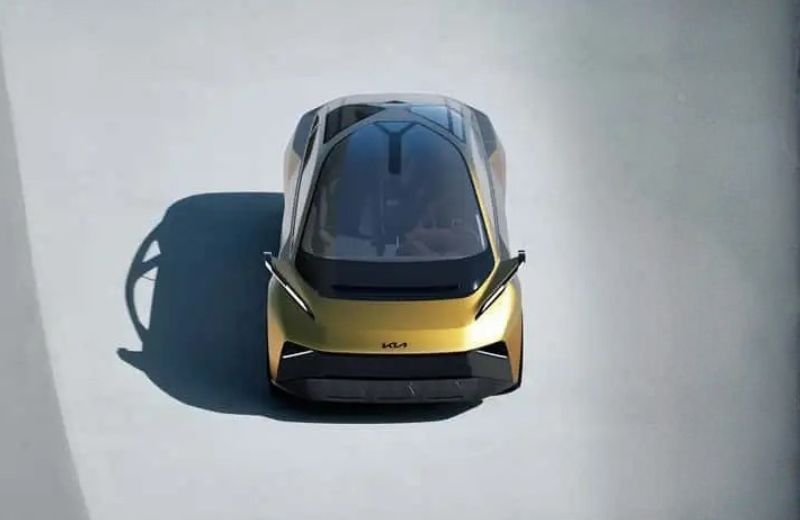
Why Electric Vehicles Are Growing in Pakistan
Pakistan’s EV market is expanding because of several major factors:
- Increasing petrol and diesel prices
- Government interest in clean transportation
- Lower operating costs of EVs
- Growing awareness of environmental sustainability
- Expansion of EV charging infrastructure
- Entry of Chinese and international EV brands
Urban consumers in cities like Karachi, Lahore, and Islamabad are especially showing interest in electric vehicles for daily commuting and family transportation.
Average Electric Vehicle Price Range in Pakistan
The upfront cost of an electric vehicle is usually higher than a conventional petrol car. This is mainly due to battery technology, import duties, and limited local manufacturing.
Estimated EV Market Price Ranges in Pakistan
| EV Segment | Estimated Price Range |
|---|---|
| Compact Electric Cars | PKR 40–80 Lakh |
| Mid-Size Electric SUVs | PKR 80 Lakh–1.5 Crore |
| Luxury Electric Vehicles | PKR 2–5 Crore |
The final cost depends on:
- Battery capacity
- Driving range
- Brand reputation
- Import status
- Features and technology
- Government duties and taxes
Although EVs cost more initially, many owners recover part of the investment through lower running costs over time.
EV Charging Cost vs Petrol Cost in Pakistan
One of the biggest advantages of electric vehicles is reduced energy expense.
Average Electricity Consumption of EVs
Most modern EVs consume approximately:
- 15–20 kWh per 100 km
With electricity tariffs in Pakistan varying by usage slab and charging time, charging costs can differ from household to household.
Estimated EV Charging Cost
| Distance | Estimated Charging Cost |
|---|---|
| 100 km | PKR 900 – 1,500 |
| 1,000 km | PKR 9,000 – 15,000 |
Petrol Vehicle Fuel Cost Comparison
A petrol vehicle with average fuel economy may cost:
| Distance | Estimated Petrol Cost |
|---|---|
| 100 km | PKR 2,500 – 3,500 |
| 1,000 km | PKR 25,000 – 35,000 |
Key Insight
Electric vehicles can significantly reduce monthly transportation expenses, especially for drivers who travel frequently within cities.
Home EV Charging Installation Costs
Most EV owners in Pakistan prefer charging at home because public charging infrastructure is still developing.
Common Home Charging Expenses
| Installation Type | Estimated Cost |
|---|---|
| Portable Home Charger | PKR 100,000 – 200,000 |
| Wall-Mounted Fast Charger | PKR 250,000 – 500,000 |
| Smart Charging Setup | PKR 500,000+ |
Additional installation costs may include:
- Dedicated wiring
- Circuit breakers
- Voltage protection systems
- Electrical panel upgrades
Some homeowners also integrate solar panels with EV charging systems to reduce electricity bills further.
EV Battery Replacement Cost in Pakistan
Battery replacement is one of the most discussed aspects of EV ownership.
How Long Do EV Batteries Last?
Most modern lithium-ion EV batteries last:
- 8 to 15 years
- 150,000 to 300,000 kilometers
Manufacturers commonly offer battery warranties of around 8 years.
Estimated Battery Replacement Costs
| EV Category | Estimated Battery Cost |
|---|---|
| Small EVs | PKR 15–25 Lakh |
| Electric SUVs | PKR 25–45 Lakh |
| Luxury EVs | PKR 50 Lakh+ |
Battery technology continues to improve globally, and replacement costs are expected to decrease over the next decade.
Electric Vehicle Maintenance Costs
Electric vehicles generally require less maintenance than petrol or diesel vehicles because they have fewer mechanical components.
EV Maintenance Advantages
Electric vehicles do not require:
- Engine oil changes
- Spark plug replacements
- Exhaust repairs
- Transmission servicing
Typical EV Maintenance Items
- Tire replacement
- Brake fluid inspection
- Battery cooling system checks
- Suspension maintenance
- Software diagnostics
Annual Maintenance Comparison
| Vehicle Type | Estimated Annual Maintenance |
|---|---|
| Petrol Vehicle | PKR 100,000 – 300,000 |
| Electric Vehicle | PKR 40,000 – 120,000 |
This lower maintenance requirement is one of the strongest financial advantages of EV ownership.
EV Insurance Costs in Pakistan
Insurance premiums for electric vehicles are often slightly higher because EVs contain advanced battery systems and imported components.
Factors affecting EV insurance costs include:
- Vehicle value
- Battery replacement cost
- Availability of spare parts
- Repair complexity
- Brand and model
As the EV market matures, insurance providers are expected to introduce more specialized and competitive EV coverage plans.
Government Incentives for Electric Vehicles in Pakistan
Pakistan’s electric vehicle policy aims to encourage adoption through tax reductions and infrastructure support.
Potential benefits for EV buyers include:
- Reduced customs duties
- Lower registration fees
- Lower token taxes in some provinces
- Incentives for EV manufacturers
- Charging infrastructure support
Government policies will play a major role in determining how quickly EV adoption expands across the country.
Charging Infrastructure Challenges in Pakistan
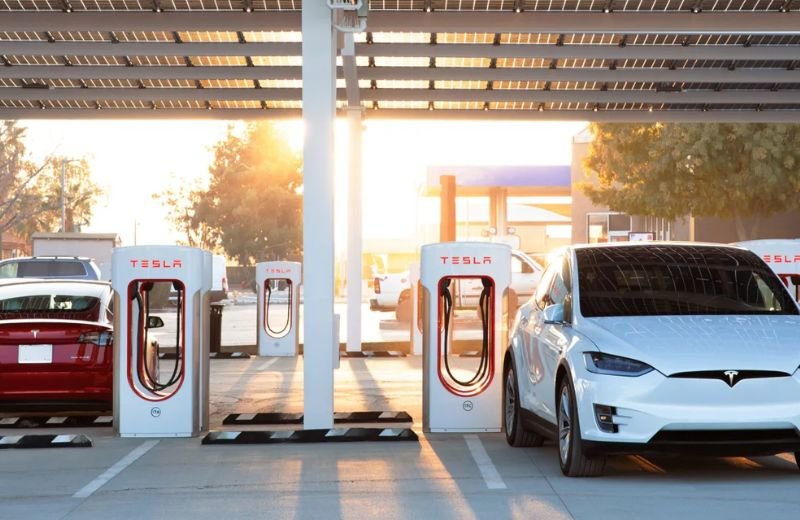
Despite growing interest in EVs, charging infrastructure remains one of the biggest challenges.
Current Issues Facing EV Owners
- Limited fast-charging stations
- Uneven charger availability outside major cities
- Apartment charging difficulties
- Power outages and load shedding
- Long-distance travel limitations
However, private companies and energy providers are gradually expanding charging networks across urban areas.
Also read Thai two wheeler manufacturer set for Pakistan debut in 2026
Hidden Costs of Electric Vehicle Ownership
Although EVs reduce fuel expenses, buyers should still consider indirect ownership costs.
Potential Hidden Expenses
- Charger installation upgrades
- Battery degradation over time
- Electricity tariff increases
- Imported spare parts
- Specialized repair services
- Software-related servicing
Understanding these factors helps buyers make realistic financial decisions.
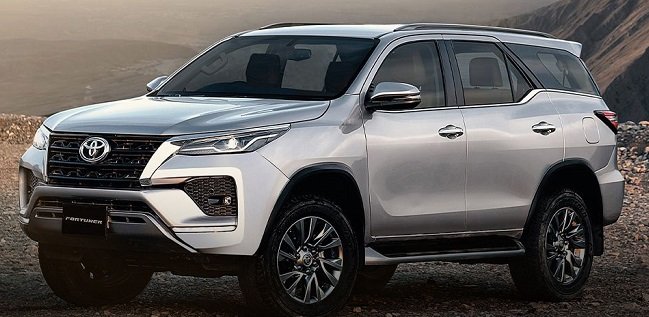
Are Electric Vehicles Worth Buying in Pakistan?
For many Pakistani consumers, electric vehicles are becoming financially practical, especially for urban commuting.
EVs Are Ideal For:
- Daily city driving
- Families with home charging access
- High-mileage commuters
- Solar-powered households
- Environmentally conscious buyers
EVs May Be Less Suitable For:
- Frequent long-distance travel
- Areas with unreliable electricity
- Regions lacking charging infrastructure
As infrastructure improves, EV ownership will likely become more convenient nationwide.
Future of Electric Vehicles in Pakistan
Pakistan’s EV industry is expected to grow significantly in the coming years due to:
- Rising fuel costs
- Expansion of charging stations
- Government green energy initiatives
- Local EV assembly projects
- Increasing competition among automakers
Industry experts believe electric vehicles will become more affordable and accessible by the end of the decade.
The real cost of owning an electric vehicle in Pakistan involves more than just the purchase price.
While EVs require a larger initial investment, they can offer substantial long-term savings through:
- Lower charging costs
- Reduced maintenance expenses
- Better energy efficiency
- Cleaner transportation
For many urban drivers in Pakistan, electric vehicles are increasingly becoming a smart financial and technological investment.
As the market matures and charging infrastructure improves, EV ownership is expected to become far more mainstream across the country.
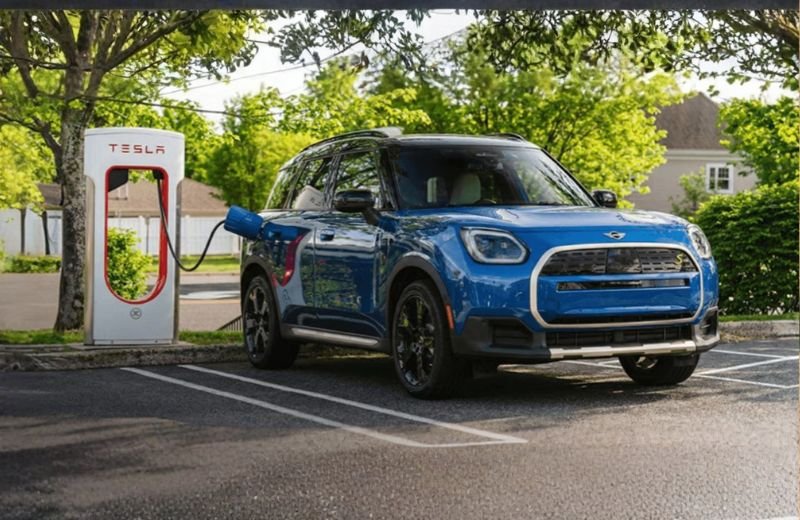
In many cases, yes. EVs typically have lower charging and maintenance costs compared to petrol vehicles.
Charging costs depend on electricity tariffs and battery size, but EV charging is generally much cheaper than petrol refueling.
Most EV batteries last between 8 and 15 years with proper usage and maintenance.
Yes, especially in urban environments where daily driving distances are manageable.
Charging infrastructure and battery replacement costs remain the biggest concerns for many buyers.