

 By
By BYD and Mega Motor Company (MMC) have confirmed that their purpose-built New Energy Vehicle (NEV) assembly plant in Gharo, Sindh, is nearing completion and is scheduled to become operational in the second half of 2026. Equipment installation and commissioning activities are currently underway, marking a major milestone in BYD’s localization strategy for Pakistan.
The development is significant for Pakistan’s emerging electric and new energy vehicle industry, as the facility will shift a greater portion of BYD’s operations from imported vehicles toward local assembly.
BYD Gharo Plant Nears Completion
The BYD-MMC assembly facility has been constructed in less than 18 months, which the companies describe as one of the fastest automotive manufacturing projects of its scale in Pakistan. The facility is being developed specifically for NEV production and is located in Gharo, District Thatta, Sindh.
The Special Technology Zones Authority (STZA) lists the BYD NEV Production Zone as a 73.4-acre industrial development incorporating vehicle assembly, testing, training and smart-factory systems. The facility is also strategically positioned close to Karachi’s industrial and port infrastructure.
According to a recent PACRA report, the Gharo facility is planned with an initial annual assembly capacity of approximately 25,000 vehicles, with the project forming a central part of MMC’s transition toward localized BYD vehicle assembly in Pakistan.
Equipment Installation and Testing Underway
Although construction is now in its final stages, commercial production will not begin immediately. BYD-MMC says the plant must undergo equipment validation, production trials and comprehensive quality testing before volume manufacturing starts.
These processes are important for ensuring that the facility and its production systems meet BYD’s global manufacturing standards. The commissioning phase will therefore determine when the plant can move from construction and installation into regular vehicle production.
Recent reporting indicates that the facility is expected to come online in the fourth quarter of 2026, although the company has officially described the target as the second half of 2026.
What Local Assembly Means for BYD in Pakistan?
Mega Motor Company is BYD’s authorized partner in Pakistan and currently operates with imported vehicles while preparing for local CKD assembly. PACRA says MMC’s longer-term strategy involves moving from imported vehicles toward local assembly and progressively increasing localization.
The shift could improve the economics of BYD vehicles in Pakistan over time by reducing reliance on fully imported units and potentially lowering some import-related costs. However, the impact on retail prices will depend on the level of localization, government policies, taxes, exchange rates and production costs.
The Gharo facility is also expected to contribute to technology transfer and skills development. In June 2026, Pakistan’s Finance Division said BYD and MMC had highlighted plans involving localization, advanced charging technologies, technology transfer and training of Pakistani engineers and technicians.
A Major Step for Pakistan’s EV Industry
The launch of BYD’s local assembly plant comes as Pakistan seeks to expand electric and new energy vehicle adoption. Local manufacturing can potentially strengthen the domestic automotive supply chain, create skilled employment opportunities and encourage investment in EV-related infrastructure.
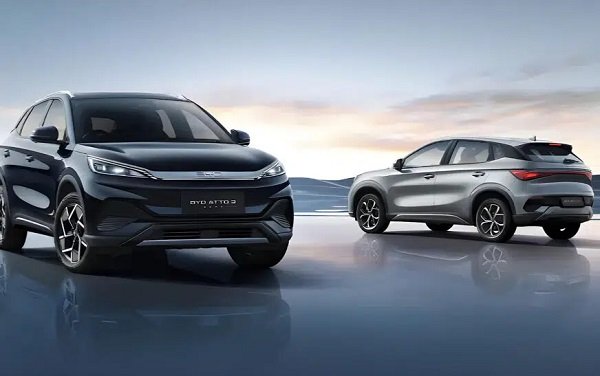
For BYD, establishing a manufacturing footprint in Pakistan also represents a move beyond its initial CBU-based market entry. The company has already introduced several electric and plug-in hybrid models to Pakistani consumers, while local assembly is expected to become the next major phase of its market strategy.
With construction nearing completion and commissioning now underway, attention will shift toward production trials and the eventual start of commercial assembly. If the project achieves its targeted timeline, BYD vehicles assembled in Pakistan could begin reaching the market before the end of 2026.
The Gharo plant therefore represents more than a new automotive factory. It could become an important foundation for the growth of Pakistan’s NEV manufacturing ecosystem and BYD’s long-term localization ambitions in the country.