

 By
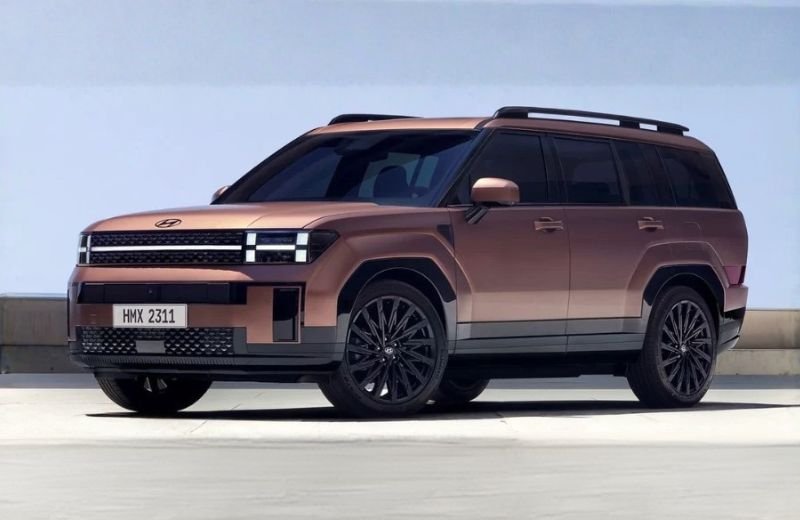
By Hyundai is preparing a new Santa Fe EREV that combines electric driving with a gasoline range extender. The upcoming SUV is expected to deliver more than 600 miles of combined range, giving drivers the benefits of electric power without the same range concerns as a fully electric vehicle.
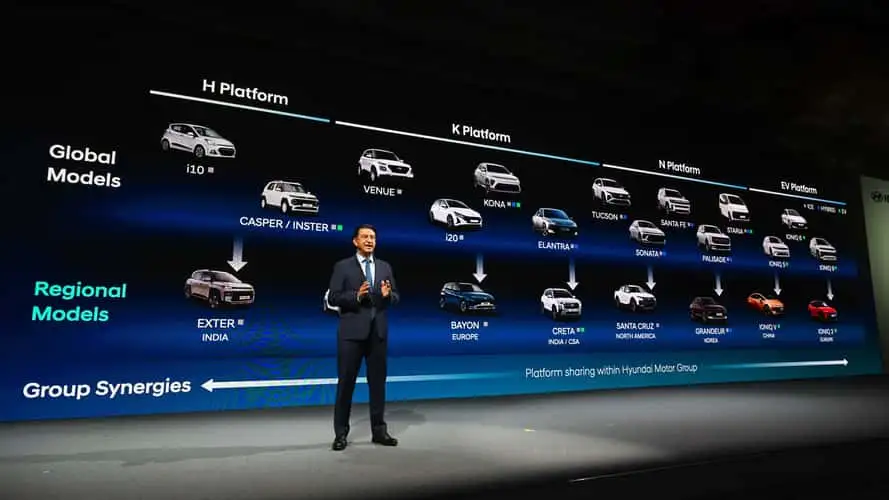
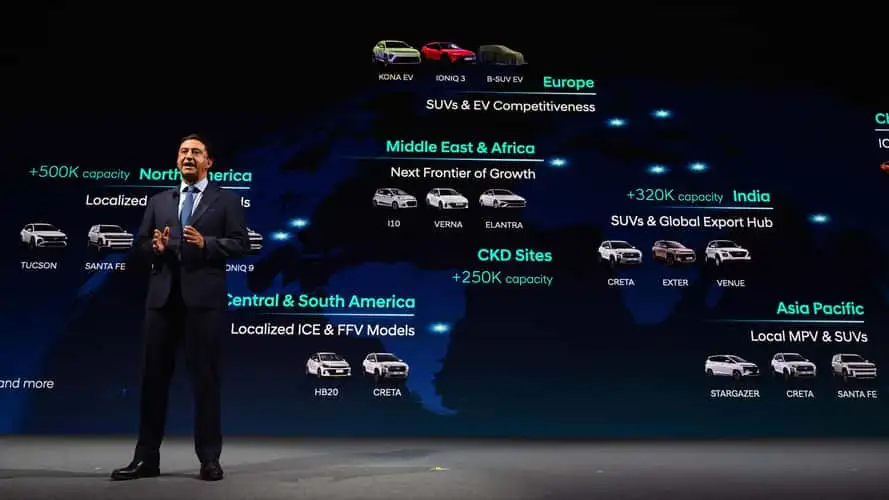
The new Santa Fe EREV is part of Hyundai’s wider plan to introduce dozens of new and refreshed models in North America by 2030. The automaker announced the strategy during its 2026 CEO Investor Day in Seoul. Along with the Santa Fe, Hyundai also plans to expand its electric, hybrid, and extended-range vehicle lineup.
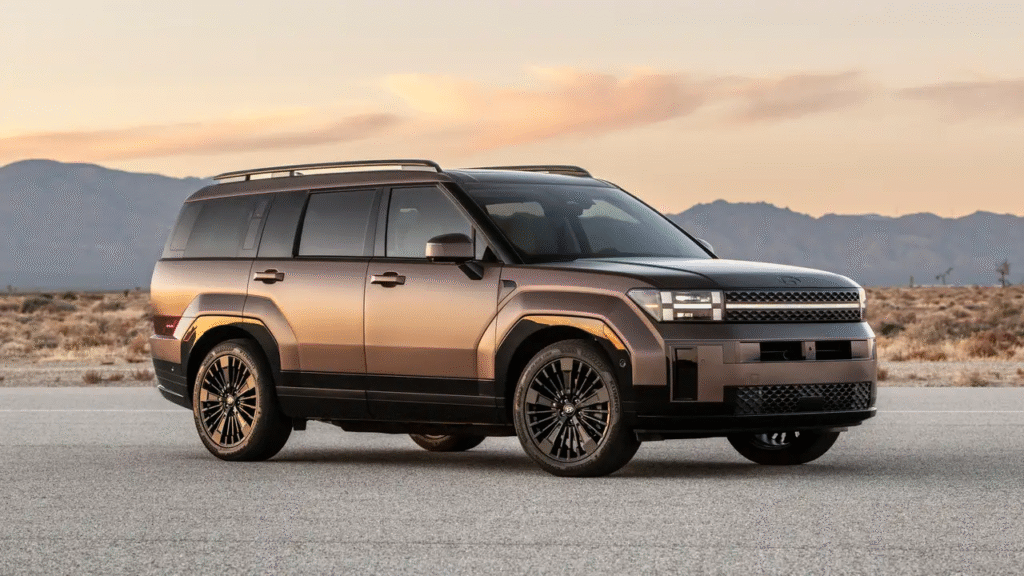
Santa Fe EREV Brings Electric Driving With Extra Range
An EREV, or extended-range electric vehicle, uses a large battery and electric motors to drive the wheels. However, it also carries a gasoline engine that works mainly as a generator to recharge the battery.
As a result, the Santa Fe EREV can provide an electric driving experience while using gasoline when additional range is needed. Hyundai says the new SUV will offer more than 600 miles of combined range from a full battery charge and a full tank of fuel.
This approach could appeal to drivers who want an electric vehicle but regularly travel long distances. It may also prove useful for customers who tow or carry heavy loads, where maintaining long-distance range can be more challenging for conventional EVs.
U.S. Production Planned for the New Santa Fe
Hyundai plans to launch the Santa Fe EREV next year. The company will manufacture the SUV at its Alabama plant in the United States.
The Santa Fe will not be Hyundai’s only extended-range vehicle. Kia plans to introduce a Telluride EREV in 2029, followed by an extended-range pickup truck in 2030. Genesis also plans to introduce an EREV SUV before the end of the decade with more than 640 miles of range.
Meanwhile, other automakers are also preparing extended-range models for the North American market. Ford, Ram, and Jeep are among the brands exploring similar powertrain technology.
Hyundai Is Also Working on New Battery Technology
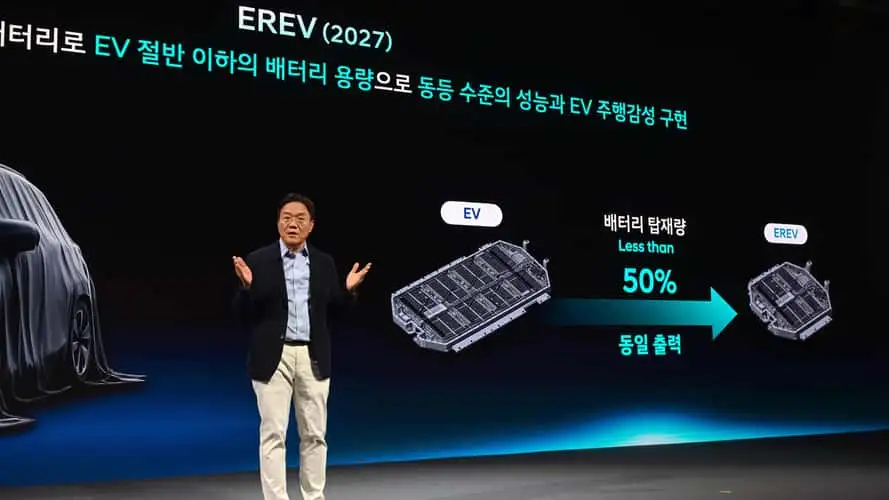
Hyundai says its EREV models will use high-nickel battery cells developed by the company. According to Hyundai, the technology could reduce charging times by around 40%.
The automaker also says its EREVs can use less than half the battery capacity of a comparable fully electric vehicle while maintaining similar performance and driving characteristics.
In addition, Hyundai plans to introduce mid-nickel battery cells in EVs arriving next year. The company expects these cells to reduce costs by around 30% without sacrificing performance.
Hyundai has also announced a new Thermal Runaway Protection system. The technology uses a barrier structure between individual battery cells to help contain heat and prevent a potential fire from spreading across the battery pack.
More Electric and Autonomous Vehicles Are Coming
The Santa Fe EREV is only one part of Hyundai’s broader technology push. The automaker plans to launch 58 new or refreshed models in North America by 2030.
Hyundai is also expanding its autonomous driving efforts. The company expects to begin delivering Ioniq 5 robotaxis to Waymo in the fourth quarter of this year. Its Motional robotaxi division also plans to launch a driverless Ioniq 5 ride-hailing service by the end of the year.
Also Read Xiaomi Develops Its Own AI Chip to Power Next Generation Driving Technology
Furthermore, Hyundai plans to introduce its first software-defined vehicle in 2028. The vehicle will use a standardized sensor platform built around Nvidia technology.
The company is also investing heavily in AI development. Hyundai plans to build a 100-megawatt AI data center in Korea with more than 50,000 GPUs to support autonomous driving development and training.
A Different Route to Longer EV Range
The new Santa Fe EREV shows how Hyundai is exploring multiple approaches to the future of electric mobility. While fully electric vehicles remain an important part of its strategy, extended-range technology could provide another option for drivers who want electric performance and fewer concerns about long-distance travel.
With production planned for Alabama and more than 600 miles of claimed combined range, the Santa Fe EREV could become one of Hyundai’s most interesting electrified SUVs when it arrives next year.