


 By
Pakistan is planning to establish approximately 3,000 public electric vehicle (EV) charging stations across the country by 2030 as part of its efforts to promote electric mobility and reduce dependence on conventional fuels. The Ministry of Industries and Production shared the target in a written reply submitted to the National Assembly in response to a question raised by lawmaker Malik Shakir Bashir Awan. The plan forms part of the government’s New Energy Vehicle (NEV) Policy 2025–2030.
Pakistan to Install Fast EV Chargers on Motorways
Under the initial phase of the NEV Policy, the government plans to establish 40 fast-charging stations along motorways and selected sections of the National Highway (N-5). Charging facilities are also planned at intervals of approximately 50 kilometres along major highways to make intercity travel more convenient for electric vehicle owners.
The development of highway charging infrastructure is important for addressing range anxiety, one of the major concerns among potential EV buyers. A wider charging network could allow motorists to travel between major cities with greater confidence instead of relying entirely on charging facilities at home or within urban areas.
Some progress is already visible, with ultrafast EV charging stations introduced on a major motorway. Further expansion will be necessary to create a reliable nationwide network that supports different types of electric vehicles.
Multiple Charging Options Planned Across Pakistan
The government’s strategy extends beyond fast chargers on highways. It also aims to increase the availability of Level 2 charging facilities and Level 1 chargers, including options for use in parking areas.
Fuel stations will be encouraged to install EV charging equipment, allowing existing roadside facilities to become part of the country’s developing electric mobility network.
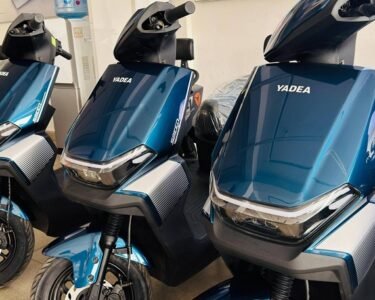
Battery-swapping stations are also included in the plan, particularly for electric motorcycles, scooters and three-wheelers. These facilities could allow compatible vehicles to exchange depleted batteries for charged ones, reducing waiting times for users who depend on their vehicles for daily commuting or commercial activities.
The mix of charging solutions is intended to support passenger cars, electric two-wheelers and other segments of Pakistan’s growing EV market.
Government Offers Incentives to Attract Investors
Private-sector investment will play an important role in achieving the target of 3,000 EV charging stations by 2030. To encourage businesses to participate, the government is offering a dedicated commercial electricity tariff for charging stations and facilitating faster electricity connections.
Public-private partnerships are also part of the strategy. The policy includes viability gap funding arrangements, under which government support may help make infrastructure projects financially attractive where commercial returns alone are insufficient.
Investor interest in this sector has previously been reported, with approximately 3,800 investors expressing interest in establishing EV charging stations across Pakistan in 2025.
However, converting investor interest into operational facilities will depend on factors such as suitable locations, grid capacity, connection timelines, charging equipment costs and the growth of the electric vehicle market.
EV Battery Recycling Included in the Policy
Alongside charging infrastructure, Pakistan is also working on a framework for managing used electric vehicle batteries, particularly lithium-ion batteries.
The proposed system covers the collection, transportation, reuse, dismantling and recycling of end-of-life batteries. The Ministry of Industries and Production has stated that work is underway on a regulatory framework and a nationwide network of battery collection and recycling facilities.
Proper battery management will be important as EV adoption increases. It can help reduce environmental risks associated with improper disposal while creating opportunities for battery reuse and material recovery.
What the 3,000 Charging Stations Target Means for Pakistan?
The planned charging network represents an important step towards supporting electric mobility across Pakistan. More accessible charging facilities could encourage consumers to consider electric cars and motorcycles while helping businesses explore new opportunities in charging services and related infrastructure.
The target also supports the broader objectives of the NEV Policy 2025–2030, which aims to increase the adoption of new energy vehicles, encourage local industry and reduce transport-related emissions.
Nevertheless, achieving the 2030 goal will require consistent implementation, coordination between government agencies and private investors, and reliable electricity infrastructure. Charging prices, station availability, maintenance and battery safety will also influence consumer confidence.
If implemented effectively, the nationwide expansion could make EV ownership more practical for both urban commuters and long-distance travellers, supporting Pakistan’s gradual transition towards cleaner transportation.
For now, the government’s plan sets a clear direction for EV infrastructure development, with the next challenge being to turn the proposed charging network into accessible, operational facilities across the country.