

 By
By Xiaomi is taking a bigger role in the technology behind its electric vehicles. The company has introduced its first in-house chips designed for artificial intelligence and intelligent driving.
The move could eventually reduce Xiaomi’s reliance on external chip suppliers. It also gives the company greater control over the hardware used for advanced driver-assistance systems.
Xiaomi introduces the Xring D100
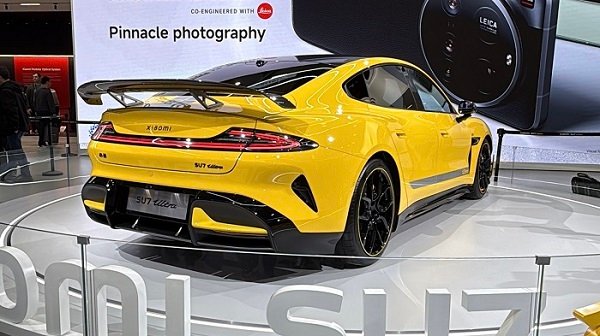
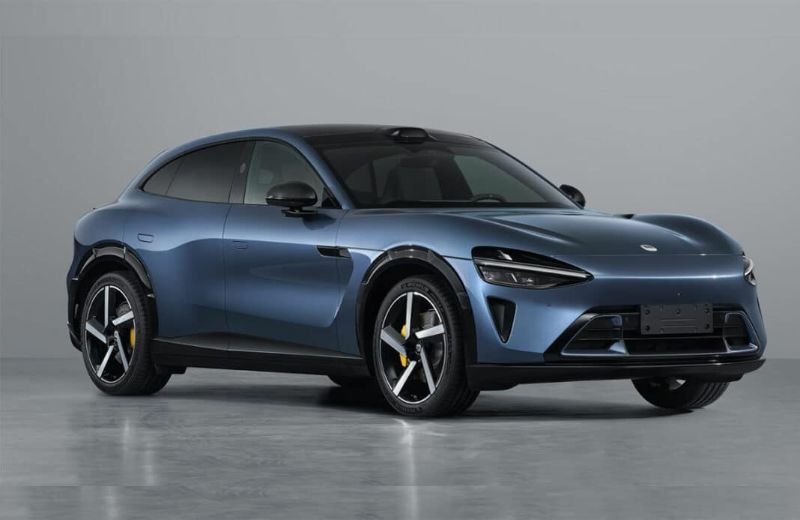
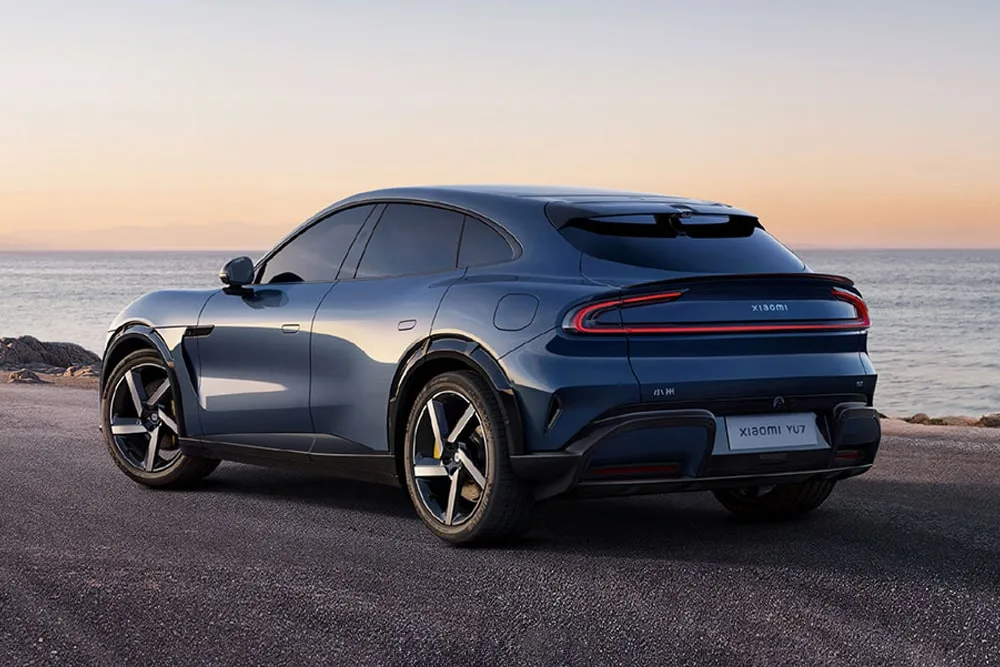
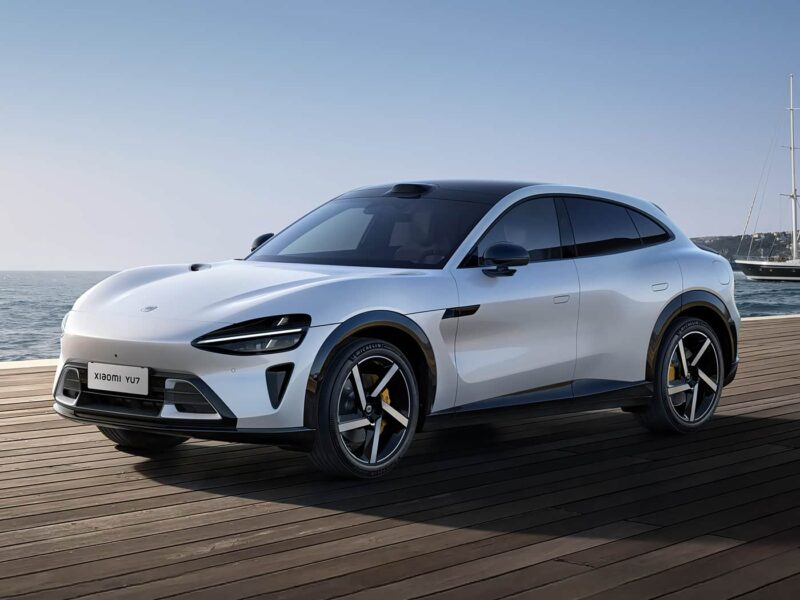
The key chip in Xiaomi’s new lineup is the Xring D100, which the company designed specifically for intelligent driving applications. Xiaomi currently uses Nvidia hardware in models such as the SU7 and YU7. Earlier vehicles relied on Nvidia Drive Orin, while newer systems have moved toward Drive Thor.
Developing its own silicon could give Xiaomi more flexibility. The company can optimize the chip around its own sensors, software and driving systems. It could also gain more control over costs, supply and future development.
Built for AI processing
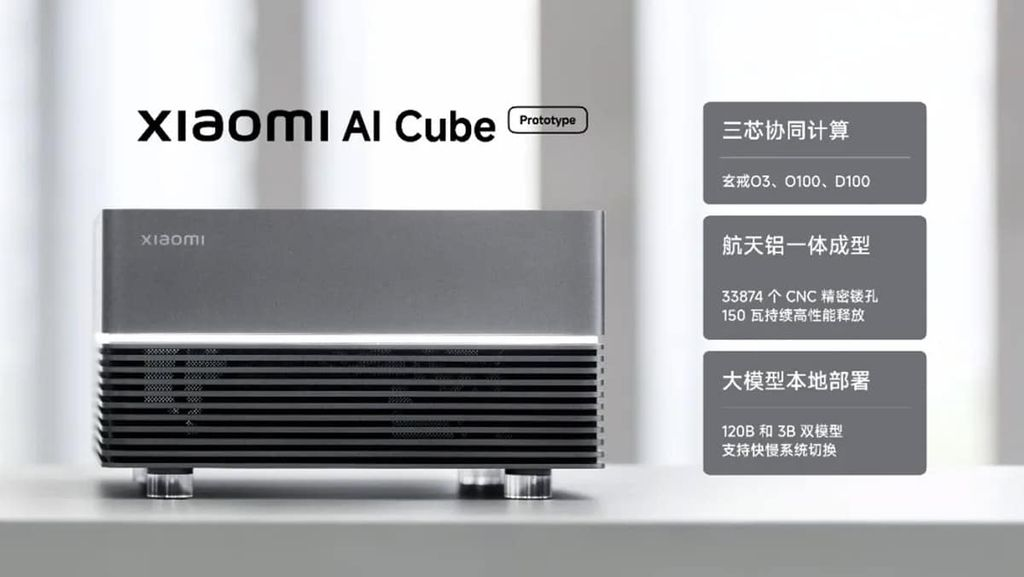
The Xring D100 features a 20-core CPU and a 16-core neural processing unit (NPU). Xiaomi says the chip uses a 3-nanometer manufacturing process. The company also claims it is the first chip designed for this purpose in mainland China to use the technology.
The D100 supports up to 160 GB of unified memory. Xiaomi says that capacity can allow the chip to run AI models with up to 200 billion parameters directly on the device.
This processing power could support advanced driver-assistance functions that require vehicles to process large amounts of information from cameras, radar and other sensors in real time.
Xiaomi wants greater control over vehicle technology
In-house chip development offers several potential advantages for an automaker. First, Xiaomi can design its hardware around the exact requirements of its vehicle software. That can make it easier to optimize performance and energy use.
Second, developing its own chips can reduce dependence on outside suppliers. It may also help Xiaomi manage hardware costs and supply more effectively as demand for AI processors continues to grow.
Also read Fiat Topolino Finds a New Market as a Tiny Electric Alternative
However, Xiaomi has not yet revealed the D100’s TOPS rating, a common measurement used to describe AI processing capability. As a result, it remains difficult to make a direct performance comparison with competing automotive chips.
How does it compare with Nvidia and Tesla?
Nvidia’s Drive Thor platform uses a 14-core processor built on a 4-nanometer process and supports up to 128 GB of memory.
Tesla’s current Hardware 4 system uses a 7-nanometer process and 16 GB of memory on a single chip. The company is also developing Hardware 5, which is expected to use a more advanced 2-nanometer manufacturing process.
These specifications do not automatically determine real-world performance. Software optimization, system architecture and power efficiency also play major roles.
Therefore, Xiaomi’s larger memory capacity and smaller manufacturing process do not necessarily mean the D100 will outperform Nvidia or Tesla hardware.
Part of a larger Xiaomi chip strategy
The D100 is not Xiaomi’s only new processor. The company has also introduced the O100 AI acceleration chip and the O3 system-on-chip platform for mobile devices.
The O3 is expected to debut in Xiaomi’s upcoming 18 Fold smartphone. Meanwhile, Xiaomi plans to bring commercial applications for the D100 and O100 starting next year.
The company says it has invested more than $3 billion in developing this new generation of hardware.
Chinese automakers are building more chips in-house
Xiaomi is not alone in developing its own automotive silicon. Other Chinese EV manufacturers, including BYD, Nio and Xpeng, have also explored in-house chip development. Automakers in other markets are following a similar path.
Tesla has developed its own processors for advanced driving technology, while Rivian has announced a custom chip for its next-generation driving systems.
For Xiaomi, the D100 represents another step toward greater technological independence. If the chip performs as expected, it could become an important part of the company’s future electric vehicles and intelligent driving systems.