

 By
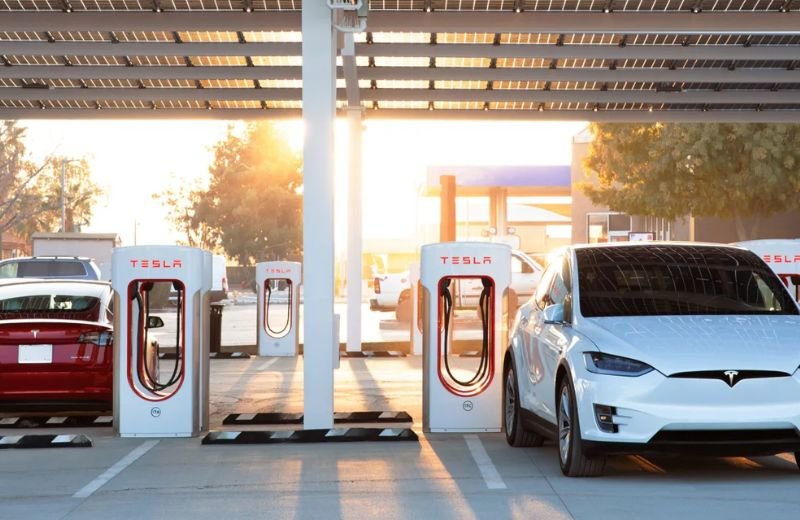
By Tesla is testing a new digital queue feature designed to make waiting at crowded Supercharger stations more organized. The pilot program introduces a virtual line system that allows drivers to join a charging queue before reaching the station.
The feature aims to reduce confusion during peak charging periods, especially at busy locations where multiple vehicles often compete for limited charging stalls.
How the new charging queue works
Drivers approaching a participating Supercharger location can automatically enter a digital waiting line through the vehicle navigation system. The system displays:
- Estimated waiting time
- Number of vehicles ahead in the queue
- Charging station status before arrival
This setup gives drivers better visibility into station traffic and helps manage congestion more efficiently.
Tesla has started testing the feature at a limited number of stations in the United States. Most pilot locations are in California, while another operates in New York.
Why Tesla is introducing this feature
As EV adoption increases, charging congestion has become a growing issue across many fast charging networks. During holidays and high travel periods, long lines at charging stations can create delays and frustration for drivers.
Tesla has already expanded charger deployment and improved trip planning tools to address rising demand. The virtual queue system adds another software based solution focused on organizing vehicle flow at crowded locations.
The feature may also help reduce disputes over charging order by creating a visible digital line rather than relying on drivers to self manage waiting positions.
Current limitations of the pilot program
The system is still in an early testing phase and does not fully block drivers from skipping the line. If a charging stall becomes available, a driver may still attempt to begin charging even if others are waiting.
Also read Renault creates open air EV designed for beach adventures
The software can display warnings when someone tries to bypass the queue, but current reports suggest it does not yet enforce restrictions automatically.
Another challenge involves non Tesla vehicles using Superchargers. Since some stations now support additional EV brands, questions remain about how drivers outside the Tesla ecosystem will interact with the queue system.
What this could mean for EV charging
The pilot reflects a broader industry shift toward smarter charging management as electric vehicle numbers continue to rise. Software tools are becoming increasingly important for improving charger accessibility and reducing waiting times.
We're now testing a new waitlist feature at 5 Supercharger sites. Share feedback through the Tesla app to help us make it better.
— Tesla Charging (@TeslaCharging) May 11, 2026
– Los Gatos, CA – Los Gatos Boulevard
– Mountain View, CA – El Monte Avenue
– San Francisco, CA – Lombard Street
– San Jose, CA – Saratoga Avenue
-… pic.twitter.com/epTVzpJxgW
If successful, Tesla could expand the virtual queue system to more locations across its network. Additional updates may include stronger queue enforcement and better integration for non Tesla drivers.
For EV owners, organized charging systems may become increasingly common as automakers and charging providers work to improve the overall public charging experience.