

 By
By Pakistan is preparing to introduce a new auto sector policy that will gradually reduce tariffs on vehicle imports as part of its economic reform commitments. The move comes under the country’s agreement with the International Monetary Fund linked to a 7 billion dollar bailout program.
Officials say the five year policy will begin from July 1 2026 and aims to simplify the tariff structure while promoting long term growth in the auto industry. The government plans to lower the weighted average tariff on vehicle imports from 10.6 percent to 7.4 percent by 2030.
As an initial step, the tariff rate is expected to drop to 9.5 percent in the 2026 to 2027 federal budget. Authorities view this gradual reduction as part of a broader effort to ease trade barriers and align Pakistan’s policies with international commitments.
The upcoming policy introduces a revised tariff system with four slabs set at 0 percent 5 percent 10 percent and 15 percent. Customs duty on completely built up vehicles is expected to be capped at 15 percent over the next five years.
Policy Reforms and Industry Impact
The tariff changes are part of Pakistan’s obligations under the IMF Extended Fund Facility. The agreement requires the country to streamline its tariff regime and avoid introducing new regulatory duties on imports.
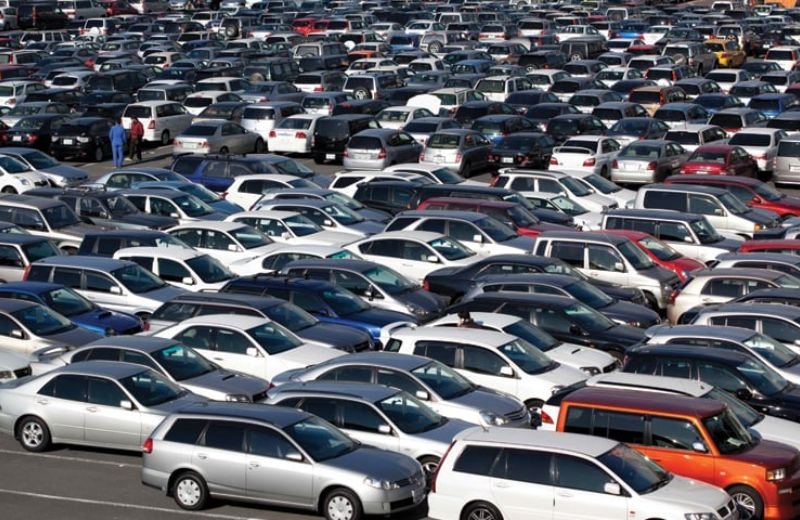
Officials have also committed to gradually eliminating additional customs duties and regulatory duties in the auto sector by 2030. Currently, a 40 percent regulatory duty applies to used vehicle imports. This duty will be reduced over time and eventually removed.
The government says the policy aims to support local manufacturing while making vehicles more affordable for consumers. By reducing import tariffs and simplifying regulations, authorities hope to encourage competition and improve efficiency in the market.
At the same time, policymakers are working to increase the localization of auto parts. Strengthening local production remains a key objective, even as import restrictions are eased.
Motor Vehicle Development Act
The reforms also include updates to the regulatory framework governing the auto sector. The proposed Motor Vehicle Development Act has been submitted to parliament and is expected to be approved soon. The law will give the Engineering Development Board authority to enforce safety and environmental standards.
In addition, the government has taken steps to tighten rules around vehicle imports. The personal baggage scheme has been abolished, while conditions for gift and transfer of residence schemes have been made stricter. These changes aim to prevent misuse following the legalization of commercial imports.
Also read Al Ghazi Tractors Hits 600000 Production Milestone in Pakistan
Officials involved in the policy development say consultations with industry stakeholders are ongoing. The goal is to strike a balance between encouraging imports and protecting local manufacturers.
The new auto policy represents a significant shift in Pakistan’s approach to the automotive sector. By lowering tariffs and introducing regulatory reforms, the government aims to create a more competitive and transparent market.
If implemented effectively, the changes could influence vehicle prices, investment in local manufacturing, and overall market dynamics in the coming years.