

 By
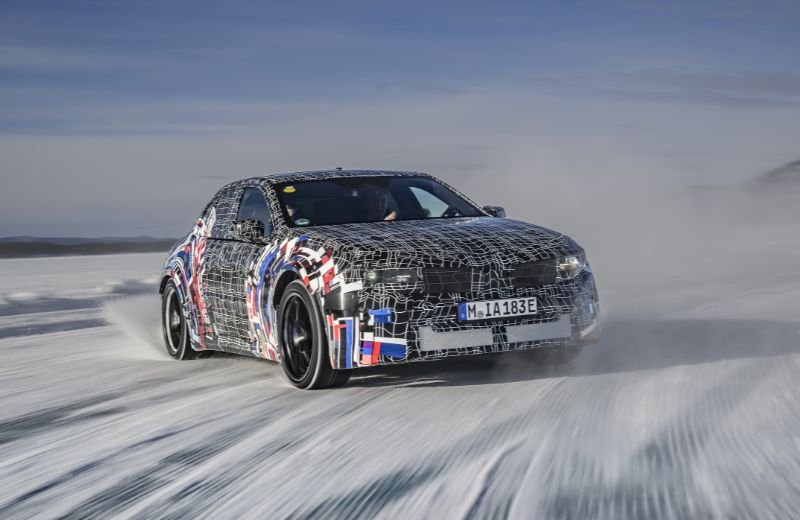
By BMW is taking a different approach with its upcoming electric M3 by creating a performance sound system designed to improve driver feedback rather than imitate traditional petrol engines.
As high performance electric vehicles become faster and more powerful, automakers face a growing challenge. Many EVs deliver rapid acceleration, but their quiet nature can make it harder for drivers to judge speed and vehicle behavior during aggressive driving.
BMW believes sound still plays an important role in performance driving, especially on racing circuits and high speed roads.
Focus remains on driver connection
Instead of copying the sound of older V8 or straight six engines, BMW engineers studied how drivers emotionally respond to iconic performance cars.
The company analyzed the sound characteristics of previous M models to understand what makes them feel engaging behind the wheel.
According to BMW, the goal is not to make the electric M3 behave like a petrol car. The focus is to create:
- Better acceleration feedback
- Stronger connection between driver and vehicle
- Clear audio cues during performance driving
- A more emotional driving experience
This approach allows the EV to maintain its own identity while still delivering excitement.
Electric motor sounds become part of the experience
BMW’s engineers are using actual sounds generated by the electric motors as the foundation for the new system. The company then enhances and shapes those sounds digitally to avoid the flat drone often associated with some EVs.
The result is expected to produce a more dynamic sound profile that changes as speed increases.
The system may also simulate gear progression to help drivers better understand acceleration and vehicle speed during hard driving.
Performance EVs continue evolving
Several automakers are experimenting with artificial sound systems for electric performance cars. However, BMW appears focused on creating something more functional instead of simply recreating the sound of a combustion engine.
The company wants the audio system to support driving precision, especially during track use where drivers often rely on sound to judge acceleration points and corner entry speeds.
Why sound still matters in EVs
Traditional performance cars provide natural feedback through engine noise, vibrations, and shifting patterns. Electric vehicles remove many of these sensations because of their smooth and silent power delivery.
Also read GM launches unified charging access for future electric vehicles
For experienced drivers, this can reduce the feeling of connection during spirited driving.
BMW’s solution aims to restore some of that engagement without pretending the vehicle uses a conventional engine.
The upcoming electric M3 represents an important step for BMW’s performance division as it transitions toward electrification.
Rather than recreating the past, the company appears focused on building a new type of performance identity for electric sports cars while preserving the emotional connection that M vehicles are known for.