

 By
By Pakistan’s automotive sector has shown clear signs of recovery as the Pakistan Automotive Manufacturers Association (PAMA) released its latest production and sales statistics for February 2026. The data indicates a significant year-on-year rebound across most major vehicle categories, highlighting improving consumer demand and a gradual stabilization of the country’s manufacturing sector.
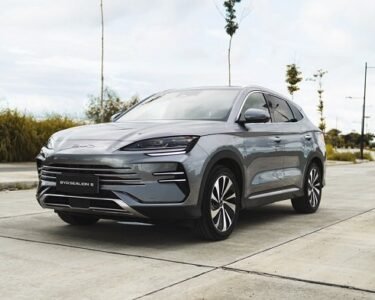
According to the latest figures, passenger cars led the recovery with a remarkable increase in both production and sales compared to the same period in the previous financial year.
Passenger Car Segment Leads Growth
The passenger car category recorded one of the strongest performances in the automotive industry. Production volumes surged by 52% year-on-year, while sales increased by 46%, reflecting renewed consumer interest in purchasing new vehicles.
Industry analysts believe the surge is largely driven by easing supply chain disruptions, improving availability of imported auto parts, and growing consumer confidence following a challenging period for Pakistan’s automobile sector.
LCVs, SUVs and Pickups Also Record Growth
The growth trend extended beyond passenger cars to other vehicle segments as well. Production of Light Commercial Vehicles (LCVs), SUVs, Jeeps, and pickup trucks increased by 24%, while sales in the same category rose by 36%.
These vehicles are widely used by both families and businesses, and their rising demand suggests increased economic activity as well as higher consumer mobility needs.
Commercial Transport Sector Posts Major Gains
The heavy commercial vehicle sector also delivered impressive results. Truck production and sales experienced a massive 88% increase, indicating rising logistics and transportation activity across the country.
Meanwhile, the bus segment reported 30% growth in production and a 48% increase in sales, signaling growing demand for public transportation and fleet expansion by transport companies.
Two and Three-Wheeler Market Remains Strong
Another key segment reflecting economic activity is the two- and three-wheeler market, which is often seen as an indicator of middle-class purchasing power in Pakistan.
Both production and sales in this category increased by 31% year-on-year, highlighting strong demand for motorcycles and rickshaws used for daily commuting and small business operations in urban and rural areas.
Tractor Sales Show Decline
Despite the overall positive performance, the agricultural automotive sector recorded a downturn. Tractor production fell by 17%, while sales declined by 21% year-on-year, making it the only major category to report negative growth.
Experts suggest the decline could be linked to rising input costs for farmers, fluctuating crop prices, and cautious spending within the agriculture sector.
Positive Outlook for Pakistan’s Auto Sector
Overall, the February 2026 data from PAMA indicates that Pakistan’s automotive industry is regaining momentum after facing economic challenges in recent years. With most vehicle segments showing strong growth, the industry appears to be entering a period of renewed expansion.
If the current trend continues, analysts expect the sector to play a significant role in strengthening manufacturing output, employment, and consumer spending in Pakistan during the rest of the year.