

 By
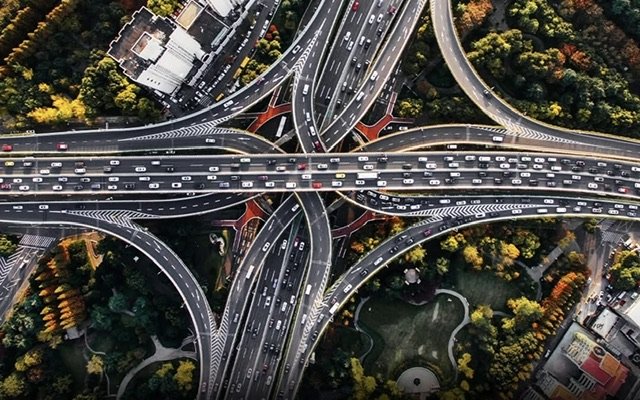
By In an effort to alleviate mounting traffic congestion in Peshawar, the Khyber Pakhtunkhwa (KP) government has incorporated a major underpass construction project on the city’s Ring Road into its Annual Development Program (ADP) for the fiscal year 2025–26.
According to official sources, the project aims to facilitate uninterrupted traffic flow by building strategically located underpasses along the Ring Road. This critical infrastructure initiative is expected to significantly improve urban mobility and ease daily commuting challenges for residents of Peshawar.
Budget and Implementation Timeline
The total estimated cost of the project stands at Rs. 8 billion. For the initial phase in the upcoming fiscal year, the KP government has proposed an allocation of Rs. 300 million. These funds will be directed towards:
- Preparation of the Project Cycle-1 (PC-1)
- Conducting feasibility studies
- Initiating preliminary construction work
Officials from the Planning and Development Department confirmed that the formal groundbreaking of the project is expected next year, subject to approval from relevant authorities and funding forums.
Project Significance
Once operational, the underpass project is anticipated to:
- Reduce traffic bottlenecks along the Ring Road
- Provide safer and faster routes for vehicles
- Enhance logistical and commercial mobility
- Support the city’s urban development framework
The Ring Road is one of Peshawar’s busiest arteries, and its congestion has long been a source of frustration for residents and transporters. This new infrastructure endeavor is aligned with the KP government’s long-term vision of modernizing transport infrastructure and supporting sustainable urban growth.
By prioritizing infrastructure upgrades such as the Ring Road underpass project, the KP government is taking proactive steps to resolve traffic issues and improve the quality of life for Peshawar’s growing population. With a sizable investment planned and groundwork set to begin soon, the city is poised to benefit from enhanced mobility and reduced congestion in the coming years.