

 By
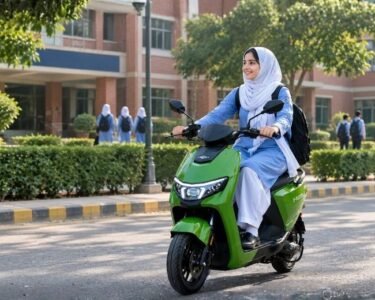
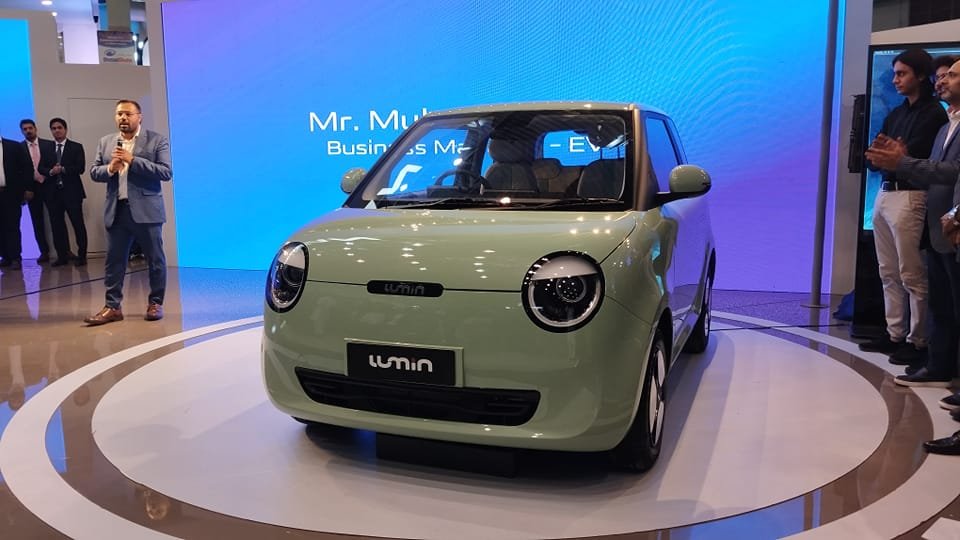
By Pakistan is taking bold strides toward a sustainable future with its Electric Vehicle (EV) Policy, aiming to convert 30% of all vehicles to electric by 2030. This ambitious initiative underscores the country’s commitment to climate action, eco-friendly transportation, and urban sustainability.
Vision for Electric Mobility
Speaking at the Ministerial Roundtable Session in Baku during COP29, Abdul Aleem Khan, Pakistan’s Minister for Privatisation, Communication, and Board of Investment, emphasized the government’s active role in promoting electric mobility. He highlighted key initiatives to address the environmental challenges posed by urban population growth and deteriorating air quality:
- Green Urban Transport Projects: Encouraging renewable energy use and electric vehicle adoption.
- Infrastructure Development: Installing charging stations nationwide to support EVs.
- Public Awareness Campaigns: Educating citizens on the benefits of electric vehicles.
Global Collaboration at COP29
Aleem Khan led Pakistan’s delegation at the “Transport and Digital Middle Corridor and Beyond” session in Baku, Azerbaijan. The two-day event brought together ministers and delegates from countries like Turkiye, Georgia, and Italy, alongside organizations such as the United Nations, European Commission, and International Transport Forum (ITF).
During his address, Aleem Khan emphasized the importance of global partnerships in driving sustainable transport solutions and shared Pakistan’s progress in this domain.
Highlights of Pakistan’s Green Initiatives
- Karachi’s Biomethane Hybrid Buses
Pakistan has introduced its first fleet of biomethane hybrid buses in Karachi, expected to save 100% on fuel costs. These buses represent a significant step toward reducing emissions and operational expenses in public transport. - National Green Transport Project
- Exploring Public-Private Partnership (PPP) models for long-term sustainability.
- Focus on micro-level interventions in the transport sector for measurable impact.
A Call for Action
Aleem Khan’s address underscored the need for targeted measures to ensure tangible results in the transportation sector. With the EV policy as a cornerstone of this vision, Pakistan is positioning itself as a leader in sustainable mobility in the region.
The country’s participation in international dialogues like COP29 highlights its commitment to collaborating with global stakeholders to achieve shared climate goals.
Pakistan’s EV Policy reflects a forward-thinking approach to addressing climate change and urban challenges. With initiatives like hybrid buses, charging infrastructure, and partnerships with private stakeholders, the nation is laying the groundwork for a greener, more sustainable transport system. By 2030, Pakistan aims to be a model for eco-friendly transportation in the region.