

 By
By Electric vehicles (EVs) are gaining popularity worldwide, including in Pakistan, where they are seen as a sustainable alternative to traditional gasoline-powered vehicles. However, despite their advantages, there are several major issues that buyers of EV bikes in Pakistan may encounter. Here’s a detailed analysis of these issues:
1. Charging Infrastructure Challenges
One of the primary concerns for EV bike owners in Pakistan is the lack of adequate charging infrastructure. Unlike gasoline stations, charging stations for electric bikes are not as widespread. This makes it challenging for EV owners to find convenient places to charge their bikes, especially on long journeys.
2. Range Anxiety
Range anxiety refers to the fear of running out of battery power before reaching a charging station. This is a significant issue for EV bike owners in Pakistan, particularly in areas with limited charging infrastructure. While urban areas may have more charging points, rural and remote areas often lack them, limiting the usability of EV bikes for long-distance travel.
3. Battery Life and Maintenance
The performance and lifespan of batteries in EV bikes can be affected by extreme temperatures, which are common in Pakistan. High temperatures can reduce battery efficiency and longevity, while low temperatures can affect the battery’s ability to hold charge. Additionally, battery replacement and maintenance can be costly, which may deter potential buyers.
4. High Initial Cost
Although the operating costs of EV bikes are lower than traditional motorcycles, the initial purchase price can be considerably higher. This cost factor may be a barrier for many potential buyers, despite the long-term savings on fuel and maintenance.
5. Limited Model Options
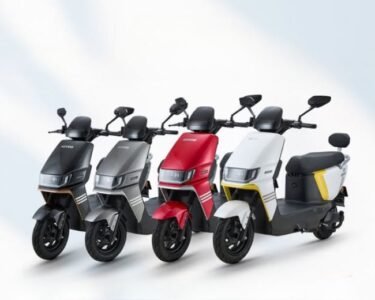
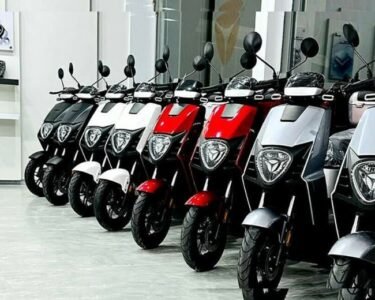
The variety of EV bike models available in Pakistan is still limited compared to gasoline-powered motorcycles. This restricts consumer choice and may not meet the diverse needs and preferences of potential buyers.
6. Safety Concerns
Safety is another issue that EV bike owners in Pakistan may face. Given the traffic conditions and road infrastructure in many parts of the country, there are concerns about the visibility and awareness of electric bikes among other road users.
7. Lack of Government Incentives
Unlike some other countries, Pakistan has yet to implement significant government incentives to promote the adoption of electric vehicles. Incentives such as subsidies, tax breaks, and infrastructure development could significantly boost the adoption rate of EV bikes.
8. After-Sales Service and Support
The availability of after-sales service and support for EV bikes can be limited in Pakistan. This includes access to trained technicians and spare parts, which are essential for maintaining and repairing EV bikes.
Our Verdict
While electric bikes offer a promising and environmentally friendly alternative to traditional motorcycles in Pakistan, there are several challenges that need to be addressed to encourage wider adoption. These include improving charging infrastructure, addressing range anxiety, reducing the initial purchase cost, enhancing battery life, and promoting government incentives. By addressing these issues, Pakistan can accelerate the adoption of EV bikes and pave the way for a more sustainable transportation future.
Have you encountered any issues with your EV bike in Pakistan? Share your experiences in the comments below!