



 By
By Tesla has expanded its Powershare technology to two of its most popular electric vehicles. The Model 3 and Model Y can now supply electricity to a home during a power outage, giving owners another way to use their EV’s battery beyond driving.
The feature brings vehicle-to-home, or V2H, capability to newer versions of the Model 3 and Model Y. Until now, Tesla’s Cybertruck was the company’s only vehicle with support for home backup through Powershare.
The technology allows an EV’s large battery pack to act as a backup energy source when the home loses grid power. However, Model 3 and Model Y owners need additional Tesla hardware before they can use the system.
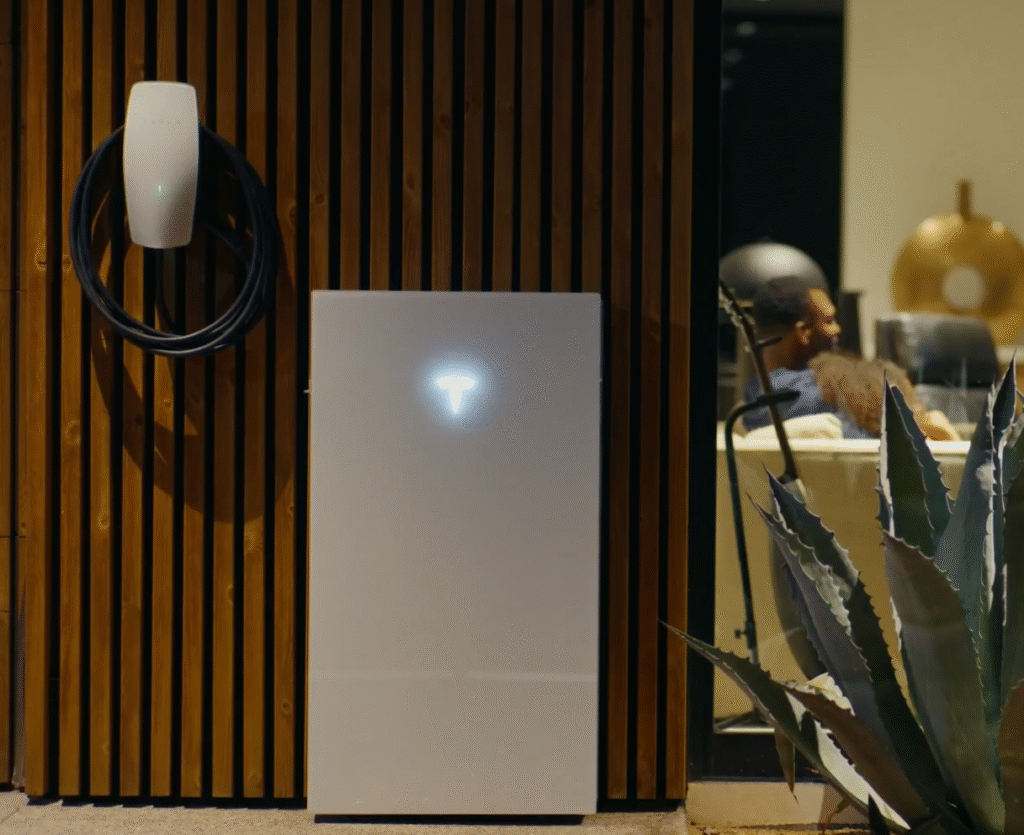
How Tesla’s Model 3 and Model Y Home Backup Works
Tesla says the new capability applies to vehicles purchased on or after October 1, along with select vehicles bought before that date.
Unlike the Cybertruck, the Model 3 and Model Y require a more extensive setup to send electricity back into a home. Owners need a Tesla Powerwall 3 and a Tesla Wall Connector as part of the system.
The Powerwall 3 serves as the home’s battery storage system, while the Wall Connector provides the connection between the vehicle and the home’s electrical system. Once the required equipment has been installed, Tesla says the Model 3 and Model Y can deliver up to 15 kW of power back to the home.
That gives the EV a role similar to a backup generator during a blackout, although the system uses the vehicle’s battery rather than a separate fuel-powered engine.
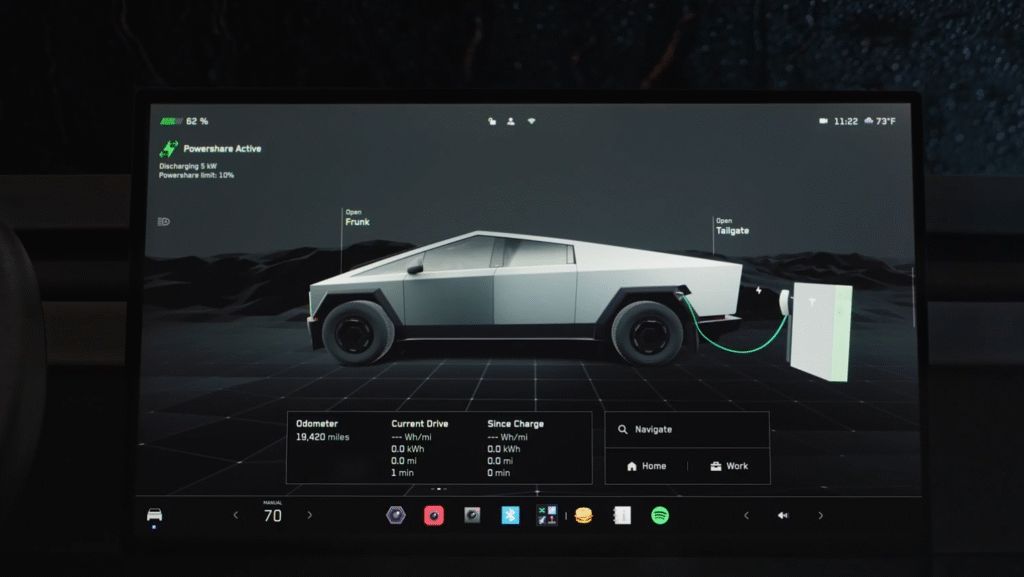
The System Comes at a Significant Cost
The new functionality could be useful during extended outages, but accessing it requires a substantial investment.
Tesla’s Powerwall 3 costs around $15,000 including installation, according to the information provided by the company. A Tesla Wall Connector costs an additional $585.
This means owners who do not already have the necessary equipment could face a significant upfront cost before they can use their Model 3 or Model Y for home backup. The setup also differs from the system available for Tesla’s Cybertruck.

Cybertruck Uses a Different Powershare Setup
The Cybertruck was the first Tesla model to support Powershare for home backup. Its electrical hardware allows it to operate with a less elaborate setup than the Model 3 and Model Y.
Cybertruck owners need a Universal Wall Connector and a Powershare Gateway. Tesla offers these components together through its Powershare Home Backup Bundle for $1,970.
Also read How to Track Your E-Bike Application and Verification Status
The difference comes down to the vehicles’ electrical architecture. The Cybertruck has an onboard DC-to-AC converter that helps it provide power to a home without requiring the same arrangement used by the Model 3 and Model Y.
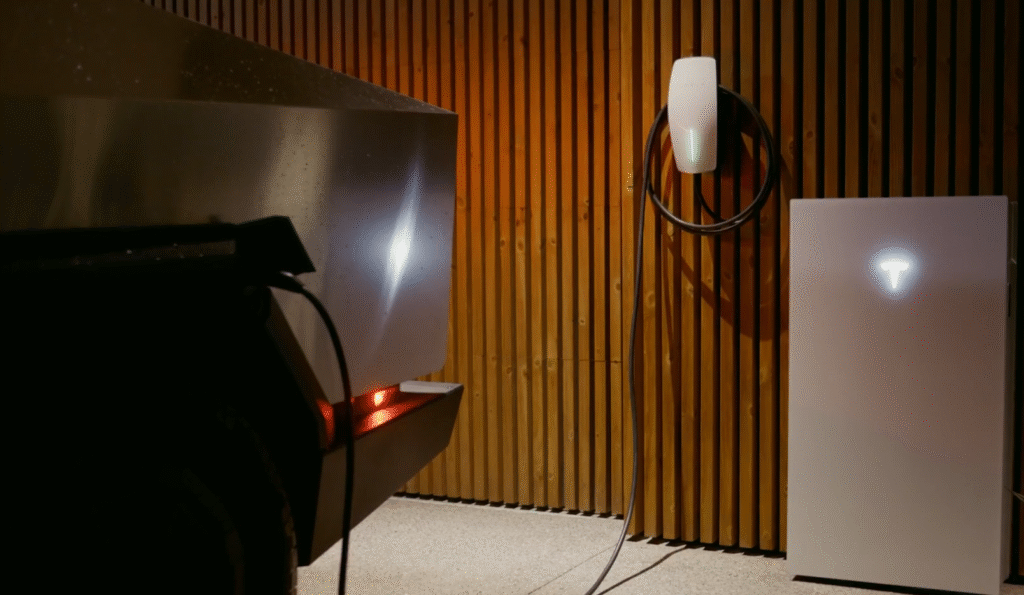
Model 3 and Model Y Join a Growing V2H Market
Tesla’s expansion brings the Model 3 and Model Y into a growing group of electric vehicles that can provide electricity to a home. Several Chevrolet and Cadillac EVs already offer vehicle-to-home functionality. Other examples include the Kia EV9 and Nissan Leaf.
For EV owners, V2H can make a large battery pack useful even when the vehicle is parked. Instead of relying entirely on a traditional backup generator, homeowners can use stored energy in their electric vehicle to keep essential appliances and systems running during an outage.
Tesla says the Model 3 or Model Y can also extend the duration of an existing Powerwall backup system. Under an assumed household consumption of 30 kWh per day, the company estimates that connecting a Powershare-equipped vehicle can add up to two days of backup power.
The actual duration will depend on how much electricity a household uses and which appliances remain operational during an outage.
With Powershare now reaching the Model 3 and Model Y, Tesla is giving a much larger group of owners access to vehicle-to-home backup. The main limitation is the cost and hardware required to make the feature work, but the technology could become increasingly useful as EV batteries take on a larger role in household energy storage.
Powershare Home Backup is now available for new Model 3 & Model Y with Powerwall 3 Extend your home backup by over 2 days with your vehicle https://t.co/a0codvZ2yH
— Tesla Energy (@teslaenergy) October 6, 2026