

 By
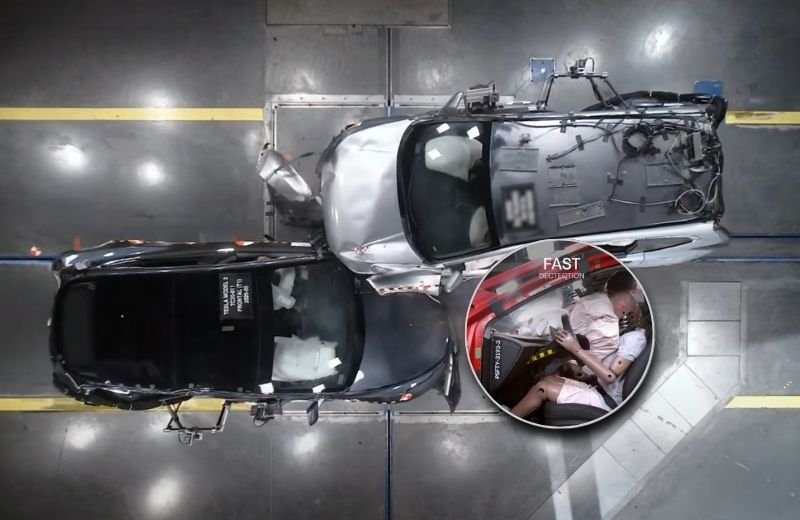
By Tesla is expanding the role of its camera based technology with a new safety feature designed to improve crash response times. The latest system allows Tesla vehicles to detect unavoidable collisions earlier and help safety systems react before the actual impact takes place.
The update focuses on improving occupant protection by giving the vehicle more time to prepare airbags and other restraint systems during serious accidents.
Cameras now support crash preparation
Tesla already uses its camera system for driver assistance, parking functions, and automated driving features. Now the same camera network is being used to help predict collisions moments before they occur.
According to the company, the system can identify:
- The type of incoming impact
- Estimated collision timing
- Potential crash severity
Using this information, the vehicle can begin preparing safety systems before physical contact happens.
Traditional crash sensors rely mainly on detecting impact after a collision has already started. Tesla’s updated system aims to reduce reaction delay by allowing the car to anticipate the event earlier.
Faster airbag response could improve protection
Tesla says the technology may allow airbags to activate up to 70 milliseconds sooner in severe crashes. While that may sound like a very small amount of time, safety engineers consider even tiny reductions in deployment delay extremely important.
Airbags require a short amount of time to fully inflate. Earlier activation increases the chance that airbags reach optimal protection levels before occupants move forward during a collision.
The system also works alongside seatbelt pretensioners, which tighten seatbelts before impact to improve passenger stability and reduce movement inside the cabin.
Traditional sensors still remain active
Despite the added camera intelligence, Tesla vehicles will continue using standard impact sensors for final deployment decisions.
The cameras assist the system by providing earlier situational awareness, but the vehicle still depends on traditional crash detection hardware to confirm whether airbags should deploy.
Also read Ford Changes Direction For Future Mustang Mach E
This layered approach combines predictive analysis with established safety systems rather than replacing existing crash sensors completely.
Software updates continue expanding vehicle features
Tesla plans to deliver the feature through over the air software updates, allowing existing compatible vehicles to receive the improvement without visiting a service center.
The company has not yet confirmed exactly which models or software versions will support the update. However, the rollout reflects Tesla’s broader strategy of continuously adding features and improvements through software.
Growing role of predictive vehicle safety
Modern vehicle safety systems increasingly rely on predictive technologies instead of reacting only after an accident begins. Cameras, radar systems, and advanced software now help vehicles identify dangerous situations earlier than traditional hardware alone.
Tesla’s latest update highlights how software driven safety features are becoming a larger part of modern automotive development.
As automakers continue improving active and passive safety systems, predictive crash preparation may become a more common feature across future vehicle platforms.