


 By
By Vehicle tracking technology is entering a new phase as advanced monitoring systems begin collecting more than just license plate information. New automated tracking tools can now connect vehicles with personal electronic devices carried by drivers and passengers.
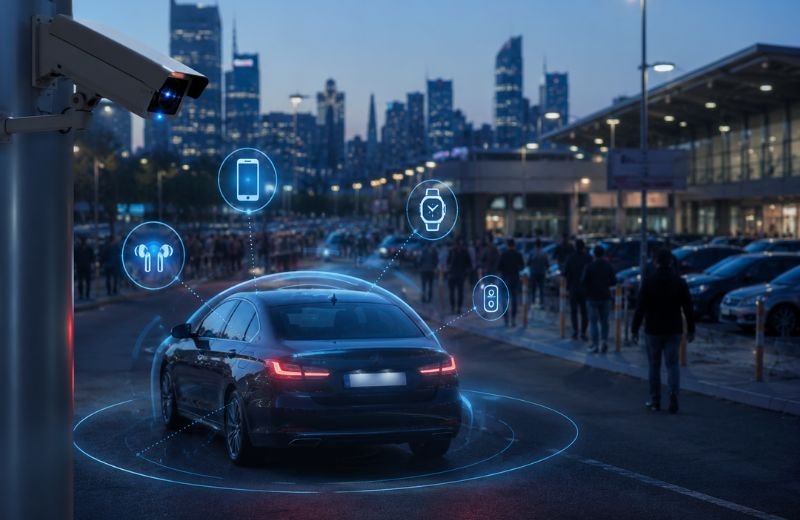
The latest systems use wireless signal detection technology to identify digital devices that constantly broadcast information through Bluetooth and other communication protocols. These signals can come from smartphones, wireless earbuds, smartwatches, fitness trackers, and other connected gadgets.
According to recent reports, the technology works by linking multiple devices moving together with a specific vehicle. Once enough data points are collected, the system creates a unique digital profile connected to that vehicle and its occupants.
The process goes far beyond traditional automated license plate recognition systems. Earlier systems mainly focused on scanning vehicle plates through roadside cameras. The new technology instead builds electronic signatures based on the combination of devices traveling together over time.
Developers claim the systems rely on publicly available wireless signals that devices already broadcast automatically. These signals help devices pair with accessories and connect to nearby electronics.
The technology can also detect RFID enabled items such as workplace access cards, tire pressure monitoring sensors, and even pet microchips. By combining these signals, systems can identify repeating travel patterns linked to specific vehicles and individuals.
Tracking Technology Expands Into Public Spaces
Unlike traditional roadside plate readers, the latest tracking sensors do not always require cameras to operate. Companies can install them in shopping centers, train stations, event venues, parking facilities, and other public areas.
The systems reportedly analyze movement patterns using timestamps and location data. If the same group of devices repeatedly appears together inside the same vehicle, software algorithms can create a persistent electronic fingerprint.
Privacy experts continue raising concerns about the expansion of this type of surveillance technology. Critics argue that combining vehicle data with personal device signals increases the ability to monitor individual movement patterns across large geographic areas.
Supporters of the technology say it may assist law enforcement investigations by helping identify suspects, stolen vehicles, or missing persons. Developers also argue that the systems collect information already broadcast publicly by electronic devices.
Also read Ferrari Electric Sedan Creates New Questions For Buyers
Still, many privacy advocates believe the growing use of digital fingerprinting creates new questions about surveillance limits and data storage practices.
The discussion arrives as modern vehicles become increasingly connected through wireless technology and internet based services. Many drivers now carry multiple connected devices during daily travel, making digital tracking systems more detailed than previous license plate readers.
The technology also highlights how transportation infrastructure continues evolving alongside data collection systems. As cities and companies expand connected mobility solutions, debates over privacy, regulation, and public transparency are expected to grow.
Advanced tracking systems may soon become more common in urban areas, transportation hubs, and public facilities. Their expansion could shape future conversations around digital privacy, connected devices, and vehicle monitoring technology.