

 By
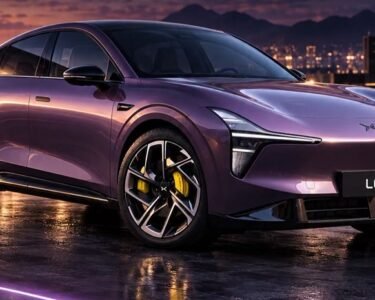
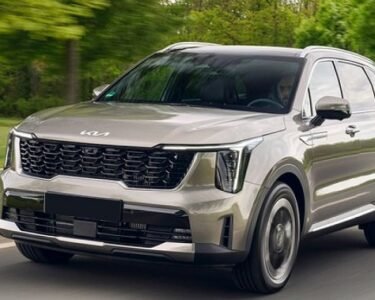
By The government of Pakistan has taken a significant step toward fostering the electric vehicle (EV) industry by granting licenses to 57 EV manufacturers. Out of these, 55 licenses are dedicated to two- and three-wheeler manufacturers, while two are for four-wheeler assembly. This initiative reflects the government’s commitment to building a sustainable transportation ecosystem and reducing the nation’s carbon footprint.
In addition to licensing, the government has rolled out a comprehensive EV policy to encourage adoption. Key benefits under the policy include free vehicle registration, exemptions from annual token fees, and toll taxes. These incentives aim to make EV ownership more appealing to consumers. Moreover, the government plans to establish one EV zone in each province, including Islamabad, to serve as hubs for manufacturing and innovation.
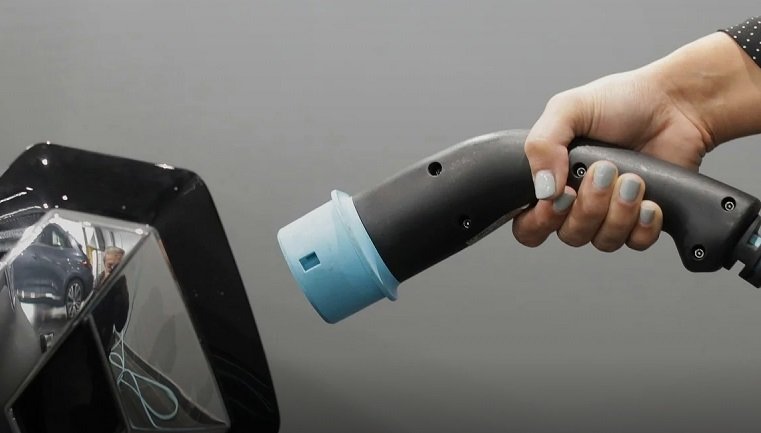
Recognizing the importance of infrastructure for EV success, the government is working on a plan to develop a nationwide network of charging stations. This includes both fast chargers and battery swapping stations, designed to address range anxiety and provide convenient solutions for EV users. A significant development in this area is the reduction of tariffs for EV charging stations by 45%, making charging more affordable for businesses and consumers alike.
These measures are expected to have a far-reaching impact. By promoting the use of electric vehicles, Pakistan aims to reduce its dependence on fossil fuels, lower greenhouse gas emissions, and combat air pollution. Furthermore, the establishment of EV zones and infrastructure will create new business opportunities, stimulate the economy, and generate jobs in the automotive and energy sectors.
As the government lays the foundation for an electric future, the efforts signal a strong commitment to sustainability and innovation, positioning Pakistan as a key player in the global shift toward greener transportation solutions.