

 By
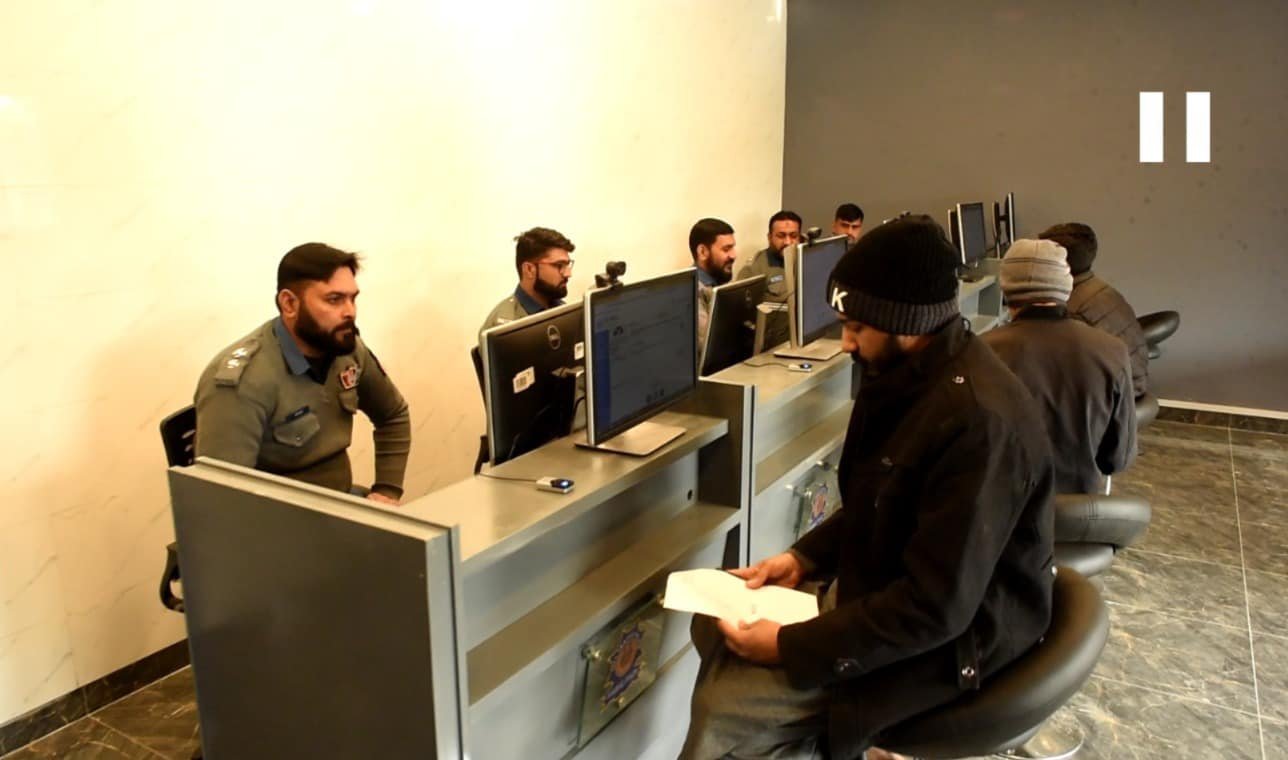
By In a major digital transformation step, the Safe Cities Authority has announced that the email system for sending and managing e-challans is being phased out. Going forward, all traffic e-challans will be delivered directly to citizens via WhatsApp, making the process faster, more accessible, and user-friendly.
A Shift Toward Convenience
Previously, traffic challans were sent through email, requiring citizens to check their inboxes or visit official portals. With this latest upgrade, users will receive their e-challan notifications on their WhatsApp numbers, which are already registered in the Excise and Taxation Department records.
Each WhatsApp message will include:
- Complete challan details
- Images of the traffic violation
- A secure link for instant online payment
This system eliminates the need to rely on emails for payment or corrections, streamlining the process for both citizens and authorities.
Safe Cities’ Vision for Smarter Systems
Officials from the Safe Cities project highlighted that this new system is designed to improve accessibility and transparency. Since WhatsApp is one of the most widely used communication platforms in Pakistan, integrating e-challan delivery with it ensures that citizens can view, verify, and pay fines directly from their phones with just a few taps.
Payments will still be possible through the Safe Cities Authority’s official website, providing users with multiple options for convenience.
Looking Ahead – Solid-State Battery Plans
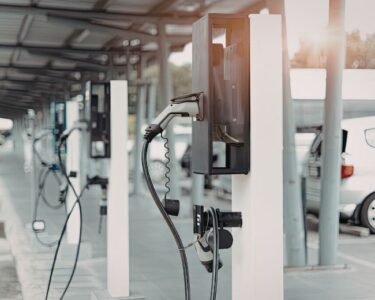
In a related update, Dongfeng, a partner in smart city mobility projects, has revealed plans to launch solid-state battery electric vehicles (EVs) by 2026. These vehicles are expected to offer over 1,000 kilometers of driving range and enhanced safety, further reflecting the shift toward digital integration and cleaner transportation solutions.
The move to WhatsApp-based e-challan delivery marks a significant leap in Pakistan’s journey toward digital governance and smart cities. With faster communication, easier payments, and added transparency, this initiative is set to make traffic management smoother while preparing the ground for future mobility innovations like solid-state EVs.