

 By
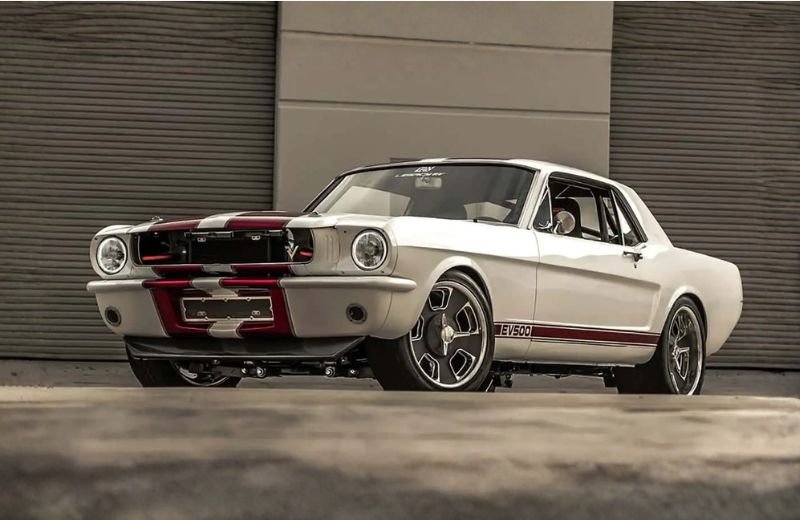
By A classic 1965 Ford Mustang has received a dramatic transformation after engineers replaced its traditional engine with Tesla electric components. The project shows how modern electric technology can completely change the performance of a vintage muscle car.
The build comes from California based company Revolt Systems. The company converted the iconic Mustang into a fully electric vehicle using parts sourced from a Tesla Model S. The result is a unique electric muscle car that combines classic styling with modern EV performance.
Instead of the original gasoline engine, the Mustang now uses a modified Tesla Model S large drive unit. The electric motor sits under the hood and connects to a Tesla sourced high voltage battery pack. This setup allows the car to produce up to 600 horsepower and 442 pound feet of torque.
That level of power is far beyond what the original 1965 Mustang offered in its base configuration. Instant torque from the electric motor also improves acceleration and driving response.
Tesla Power Transforms Classic Mustang Performance
Revolt Systems had to make several modifications to fit the electric drivetrain inside the vintage vehicle. The Mustang now sits on a custom Roadster Shop chassis that was originally designed for a V8 engine swap. Because of that layout, engineers mounted the Tesla drive unit at the front using the existing LS engine mounts.
The battery pack required additional engineering work. Technicians installed the high voltage battery beneath the floor and inside the trunk area. This layout helps achieve an almost perfect 50:50 weight balance between the front and rear of the car.
To accommodate the battery placement, the team modified the floor pan and transmission tunnel. These structural changes helped integrate the electric components without compromising the vehicle’s balance.
The upgraded electric Mustang also features performance focused suspension and braking components. QA1 coilover suspension improves handling and stability during aggressive driving. Meanwhile, a Baer braking system with 12 inch rotors and four piston calipers provides strong stopping power.
Engineers also added a Torque Trends 1.9:1 reduction gearbox. This system effectively doubles the torque delivered to the wheels, giving the lightweight Mustang impressive acceleration and track performance.
Development Platform for Future EV Projects
Revolt Systems originally unveiled the Tesla powered Mustang at the SEMA automotive show in 2021. Since then, the company has continued refining the car and using it as a test platform for future EV conversion projects.
During development, the vehicle experimented with several drivetrain configurations. At one stage the car used a clutchless sequential transmission, although the system placed too much stress on the drivetrain components and was later removed.
Also read Tesla Semi Megacharger Opens for Public Truck Charging
The current version still delivers strong performance, but it does face one technical limitation. When the battery charge drops significantly, voltage sag can occur during heavy acceleration. This reduces the available power output from the electric motor.
To address this issue, Revolt Systems is developing its own battery solution that can maintain higher voltage levels during demanding driving conditions.
Despite the challenges, the project highlights the growing interest in electric vehicle conversions. With the increasing availability of used EV components from models such as Tesla vehicles and the Nissan Leaf, more enthusiasts are exploring ways to electrify classic cars while keeping their iconic designs intact.