

 By
By Tesla has officially discontinued the Model S and Model X, marking the end of two vehicles that helped define the modern electric car era. The company has closed custom orders for both models, leaving only remaining inventory available for purchase.
The decision reflects Tesla’s shift in focus toward newer products and future technologies, including autonomous driving and robotics.
The Rise and Legacy of Two Flagship EVs
Tesla launched the Model S in 2012, introducing a new standard for electric vehicles. It offered long driving range, fast charging, and strong performance at a time when EVs were still limited.
The Model X followed in 2015 as a luxury electric SUV. It gained attention for its Falcon rear doors and spacious interior. Both models shared the same platform and became Tesla’s flagship offerings for years.
Together, they played a major role in shaping the global EV market. They proved that electric cars could compete with traditional luxury vehicles in performance, comfort, and usability.
Custom orders of the Tesla Model S & X have come to an end. All that’s left are some in inventory.
— Elon Musk (@elonmusk) April 1, 2026
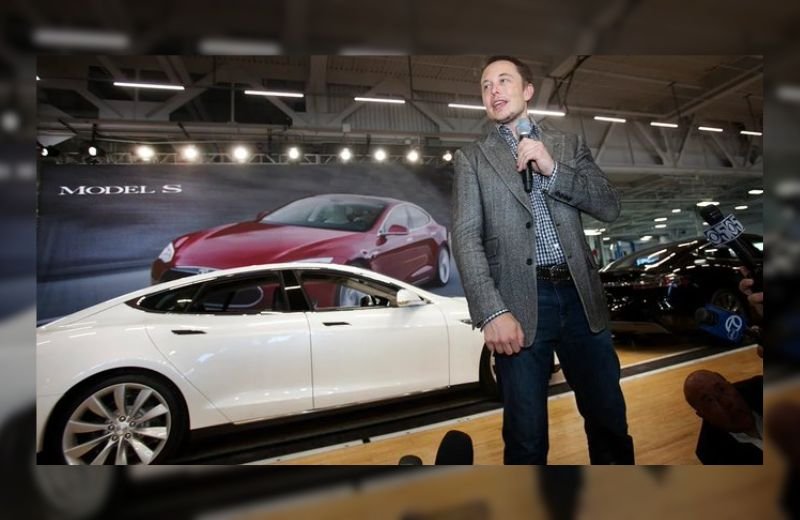
We will have an official ceremony to mark the ending of an era. I love those cars.
This was me at production launch 14 years ago: pic.twitter.com/6kvCf9HTHc
Shift Toward Mass Market Models
Tesla’s lineup began to change with the arrival of the Model 3 in 2017. The smaller and more affordable sedan quickly attracted a wider audience.
In 2020, the Model Y crossover further expanded Tesla’s reach. It became one of the company’s best selling vehicles globally.
As demand grew for these newer models, interest in the Model S and Model X declined. Tesla grouped them under the “Other Models” category in its reports, highlighting their reduced role in the lineup.
Sales Decline and Strategic Shift
Recent sales figures show the scale of the shift. Tesla delivered around 1.6 million Model 3 and Model Y vehicles last year. In comparison, the combined total for other models, including the Model S and Model X, stood at just over 50,000 units.
The company has now decided to focus its resources on high volume vehicles and future technologies. Tesla CEO Elon Musk has stated that the company is moving toward a future centered on autonomy.
Also read New Land Rover Freelander EV Revealed With Bold Design
This strategy aligns with Tesla’s ongoing investment in self driving systems and robotics platforms.
Customers can still purchase remaining Model S and Model X units from existing inventory. Some of these vehicles include added benefits such as free fast charging and premium connectivity features.
However, once current stock runs out, the models will no longer be available.
The end of the Model S and Model X closes an important chapter in Tesla’s history. These vehicles helped establish the company as a leader in electric mobility and set benchmarks that competitors continue to follow.