

 By
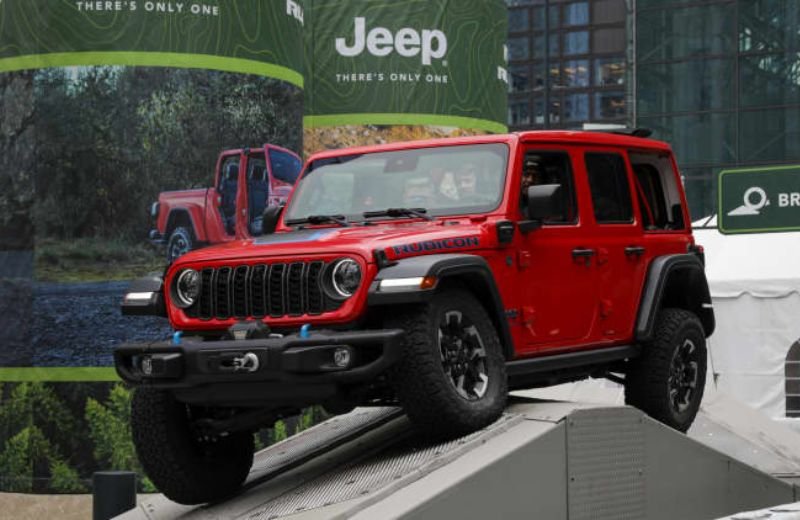
By Stellantis, the parent company of Jeep and Ram, faced a major setback last year after miscalculating the shift to electric vehicles (EVs). The automaker reported a net loss of $22.3 billion in 2025 due to overestimating EV adoption and introducing uncompetitive products.
The company also recorded $25.4 billion in unusual charges linked to its EV strategy, highlighting the cost of poor timing and planning. Stellantis admits it launched too many EVs too early, failing to attract buyers in key markets.
EV Strategy and Market Response
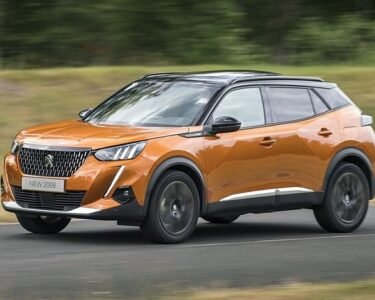
Despite offering several electric models in Europe, none gained significant traction. Popular EVs like the Citroen e-C3 and Peugeot e-208 struggled to compete with rivals like the Renault 5 E-Tech. In the U.S., offerings such as the Fiat 500e, Dodge Charger Daytona, and Jeep Wagoneer S received mixed reviews and limited consumer interest.
The misstep forced Stellantis to partially revert to combustion engines, emphasizing “freedom of choice” by balancing investments between electric, hybrid, and traditional vehicles. CEO Antonio Filosa explained that the results reflected the costs of overestimating the pace of the energy transition and the need to realign the business with consumer preferences.
Financial and Operational Challenges
Stellantis also faced high costs due to EV supply chain changes, warranty adjustments, and workforce-related expenses, particularly in Europe. Thousands of employees, mostly in Italy, left the company, adding to severance costs.
Despite the setbacks, the company saw growth in the second half of 2025. Revenue increased by 10% year-over-year, and deliveries rose 11% to 2.8 million vehicles, driven largely by Ram and Jeep. These brands remain central to Stellantis’ profitability, and measures such as price adjustments and reintroducing V-8 engines helped improve performance.
Stellantis plans to refine its EV strategy by focusing on distinctive, competitive electric models in 2026. Several new EVs are expected to launch this year, while the company has canceled fully electric versions of the Ram 1500 and Maserati MC20 Folgore, citing weak market demand.
Also Read Toyota Introduces Simple Home Charging Solution for EV Owners
The company aims to close execution gaps, enhance product quality, and maintain profitable growth. Filosa emphasized that Stellantis is prioritizing quality improvements and the successful rollout of new products to regain market confidence.
While Stellantis’ past miscalculations have been costly, the company is now positioning itself to balance consumer choice, hybrid technology, and EV offerings in a highly competitive global market.