


 By
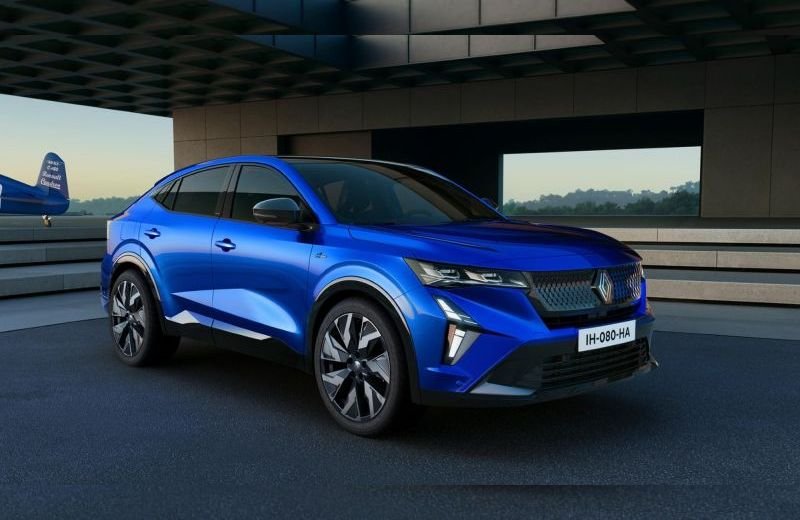
By Renault has announced plans to introduce extended range electric vehicle technology on its upcoming EV platform. The new architecture will support future models such as the next generation Scenic and Rafale, marking a shift in the company’s electrification strategy.
The platform, known as RGEV Medium 2.0, will allow Renault to offer electric vehicles with an optional range extender. This technology uses a small combustion engine to generate electricity for the battery, helping extend the vehicle’s driving range when needed.
Renault’s decision comes as several automakers explore new ways to improve EV practicality. Range extender systems aim to reduce concerns about charging infrastructure while maintaining the benefits of electric driving.
The upcoming Scenic and Rafale models are expected to be among the first vehicles built on the new platform. These models will represent the next generation of Renault’s midsize electric crossover lineup.
New Platform and Range Extender Technology
The RGEV Medium 2.0 platform builds on Renault’s current electric vehicle architecture but adds new flexibility for future powertrain options. The platform will support both fully electric models and versions equipped with a range extender system.
A range extender does not directly power the wheels. Instead, the small gasoline engine acts as a generator that produces electricity when the battery charge becomes low. This allows drivers to continue driving without relying solely on charging stations.
Automakers see this solution as a bridge between traditional hybrids and fully electric vehicles. It can offer long driving ranges while still delivering the smooth performance of electric power.
Renault already offers plug in hybrid technology in several models, including the Rafale crossover introduced in 2024. The upcoming generation built on the new platform will expand these capabilities further.
The move also reflects changing market conditions in Europe. While electric vehicle adoption continues to grow, some consumers remain concerned about range limits and charging availability. Extended range EVs could help address these concerns.
Industry analysts believe range extender systems could become more common as automakers search for flexible solutions during the transition to full electrification. Similar technologies have recently gained renewed interest among global car manufacturers.
For Renault, the new platform represents an important step in preparing its future lineup. The next generation Scenic and Rafale will play key roles in the company’s electric vehicle strategy during the coming years.
Also read BYD to launch new premium EV that can charge in minutes
Production timelines and detailed specifications for the new models have not yet been confirmed. However, Renault’s announcement signals that extended range electric vehicles could soon become a larger part of the European EV market.
As competition increases and consumer expectations evolve, automakers are exploring new ways to balance electric efficiency with everyday practicality. Renault’s upcoming platform shows how manufacturers are adapting their technology to meet these changing demands.