

 By
By The Rawalpindi Ring Road project has undergone a major cost escalation, with its estimated budget revised from Rs. 33 billion to Rs. 45 billion, according to officials. The revision comes after nearly 72% of the project’s work has already been completed.
The revised PC-I has been prepared by the Project Management Unit (PMU) in consultation with Nespak and will now be submitted to the Punjab government for approval through the Rawalpindi Development Authority (RDA).
Reasons Behind the Cost Increase
Officials highlighted three main reasons for the surge in project costs:
- Addition of a Thalian Interchange: Connecting the Ring Road with the Lahore-Islamabad Motorway.
- Construction of Multiple Toll Plazas: To regulate and generate revenue from traffic.
- Rising Construction Material Prices: A reflection of ongoing inflation in the building sector.
Deputy Project Director Ashfaq Sulheri explained:
“Earlier, the Motorway interchange and toll plazas were not included. Road sizes at interchanges have also been increased, and the contractor has requested a price escalation due to rising costs.”
Current Progress of the Ring Road
Despite delays during the monsoon season, work has now resumed at full pace, with three shifts daily to speed up completion. Key milestones include:
- Completion of the Soan Bridge
- Ongoing asphalt work
- Construction of the railway bridge
- Development of five planned interchanges
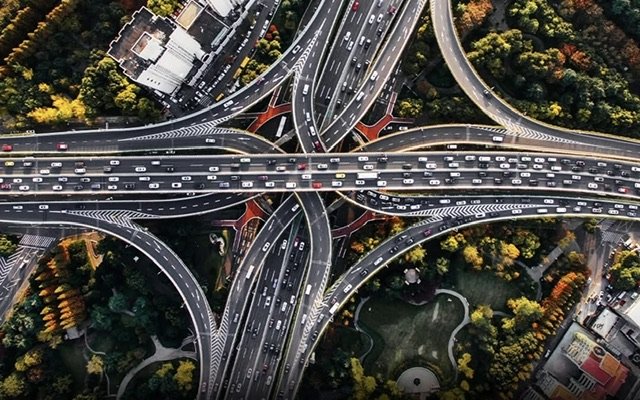
When finished, the 38.3-kilometer Ring Road will feature a six-lane controlled-access design with a speed limit of 120 km/h, and an industrial zone to boost economic activity in the region.
Economic and Regional Impact
The Ring Road is expected to significantly ease Rawalpindi’s traffic congestion, reduce travel time, and support regional trade and industry. By linking major highways and providing modern infrastructure, the project is seen as a cornerstone for the city’s long-term urban development.
The Rawalpindi Ring Road project has reached a critical stage with most construction already completed. While the revised cost of Rs. 45 billion reflects design changes and rising material costs, the project promises to deliver long-term benefits for Rawalpindi and its surrounding regions once operational.