


 By
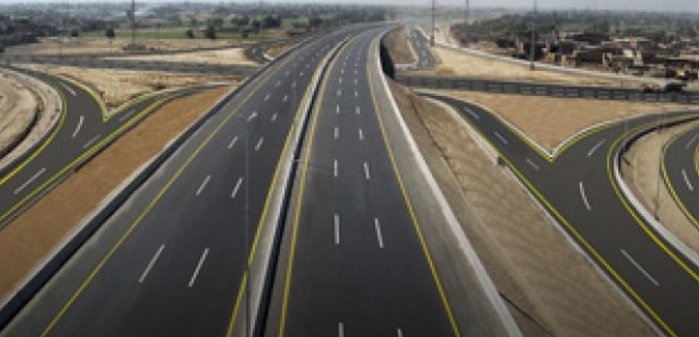
By The long-awaited Rawalpindi–Kahuta Road dualization project has officially received the green light under the Public Sector Development Program (PSDP) for the fiscal year 2025–26, marking a significant step forward in regional infrastructure development.
With an estimated cost of Rs23.84 billion, the project aims to transform the congested and outdated single-lane corridor into a modern, high-capacity roadway. Once complete, the upgraded route is expected to reduce travel time between Rawalpindi and Kahuta to just 40 minutes, significantly cutting down from the current two-hour commute plagued by traffic jams and poor road conditions.
Project Highlights
- Four-lane overhead bridge at Sihala Railway Gate
- Bypass routes for both Sihala and Kahuta to divert heavy through traffic
- 28.4-kilometer stretch from Kacheri Chowk, Rawalpindi to Main Bazaar, Kahuta
- Implementation overseen by the National Highway Authority (NHA)
The dualization will directly address long-standing issues such as traffic congestion, frequent accidents, and delayed transportation on this critical route. The road serves as a key link between northern Punjab and Azad Jammu and Kashmir (AJK), making it vital for both commuter traffic and freight logistics.
Strategic and Economic Importance
Originally approved by the Executive Committee of the National Economic Council (ECNEC) in 2023, the project now enters its execution phase under the PSDP framework. The improved infrastructure is poised to:
- Enhance regional connectivity
- Stimulate economic growth in peri-urban and rural areas
- Improve road safety standards
- Support the movement of goods and boost trade
Local residents, commercial transporters, and inter-city commuters are all expected to benefit from reduced travel times and improved road reliability. In addition, the bypasses will relieve pressure on urban centers in Sihala and Kahuta, improving local traffic conditions.
The inclusion of the Rawalpindi–Kahuta Road dualization in the PSDP 2025–26 underscores the government’s commitment to upgrading critical transport infrastructure across Pakistan. As construction begins, the project represents not just a new road but a pathway to economic development, regional integration, and better quality of life for thousands of daily travelers.