

 By
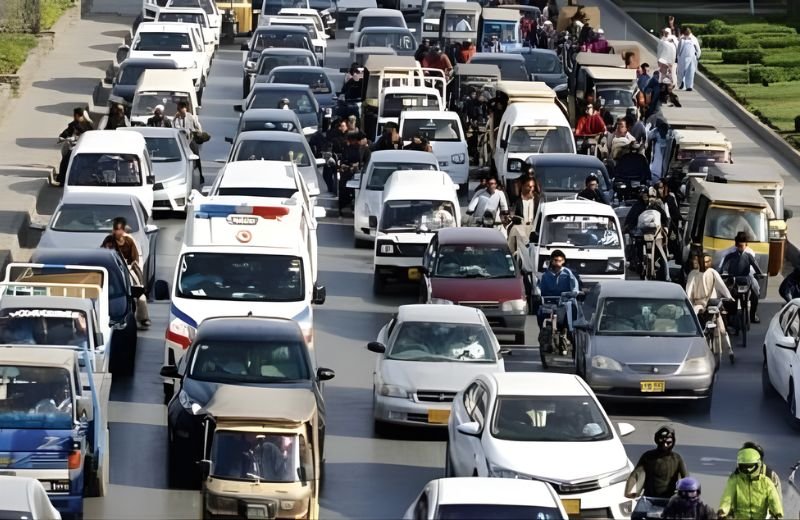
By As the holy month of Ramadan approaches, traffic patterns across Pakistan undergo a noticeable shift. The most challenging period consistently emerges during the 60–90 minutes before Maghrib, when roads become congested and the likelihood of minor accidents rises sharply. In major urban centers such as Lahore, Karachi, and Islamabad, this pre-iftar rush places immense pressure on already busy road networks.
With adjusted office timings, early closures, and heightened commercial activity, thousands of commuters head home at the same time. Markets and grocery stores remain crowded until the last moments before iftar, while delivery riders rush to complete orders, adding to traffic density. Pedestrian movement around commercial hubs also increases significantly, further narrowing effective road space.
Why Pre-Iftar Congestion Gets Worse?
Several factors contribute to Ramadan traffic congestion across metropolitan areas. Simultaneous office departures lead to sudden traffic surges, while last-minute iftar shopping and increased delivery activity strain key corridors. Signal violations, double parking, and aggressive lane changes reduce road capacity instead of improving travel time.
Red-light jumping and improper merging often block intersections, causing ripple effects that slow traffic across entire corridors. Ramadan markets frequently encroach on carriageways, and double-parked vehicles create bottlenecks that can delay traffic for extended periods.
Practical Tips to Reduce Risk During the Iftar Rush
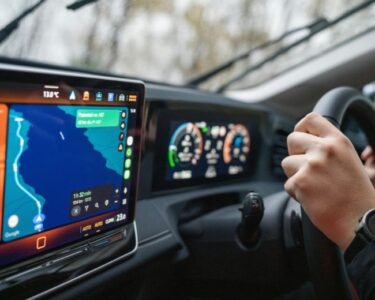
Ramadan emphasizes patience and self-control—values that can significantly improve road safety when applied to daily commuting. Motorists are advised to leave earlier than peak congestion hours and complete grocery or bakery visits well before Maghrib. Using alternate routes can help bypass pressure points, while live navigation tools like Google Maps on Android and iOS can provide real-time traffic updates.
Signal compliance plays a central role in maintaining smooth flow. Drivers should avoid blocking intersections, stay within marked lanes, and always use indicators before turning or merging. Maintaining adequate headway in stop-and-go traffic reduces sudden braking incidents and lowers collision risk. Speeding in congested corridors rarely saves meaningful time and significantly increases accident severity.
If You’re Stuck in Traffic at Maghrib
If unavoidable delays occur, keeping dates and water in the vehicle allows commuters to break their fast calmly. Once traffic begins to move, driving attentively is crucial. Wrong-way driving, riding on footpaths, and ignoring lane discipline often worsen congestion and increase accident risk.
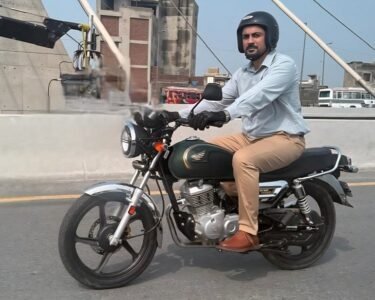
Motorcyclists should wear helmets consistently and ensure lights and indicators are functional. Parking a short distance away from busy markets and walking can prevent extended disruptions for others.
Discipline Makes the Difference
Traffic wardens and police personnel remain deployed throughout Ramadan to manage peak-hour flow and diversions. However, Ramadan traffic congestion is largely behavioral. Individual driving decisions collectively determine whether roads remain manageable or descend into gridlock.
Safer commuting during the pre-iftar rush will depend less on enforcement alone and more on planning, discipline, and patience from all road users—values that lie at the heart of Ramadan itself.