

 By
By Punjab has officially introduced its first government-backed electric taxi initiative under the leadership of Maryam Nawaz Sharif, as part of the ambitious Vision Transport 2030 plan. The Punjab e-taxi scheme marks a significant milestone in Pakistan’s transition toward eco-friendly urban mobility and modern transport infrastructure.
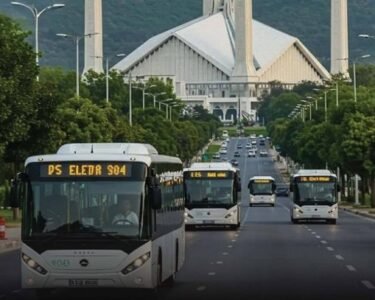
The announcement comes shortly after the successful rollout of electric buses in the province, further strengthening the government’s commitment to sustainable transportation solutions.
Rs 4 Billion Allocated for 1,100 Electric Taxis
The provincial government has allocated Rs 4 billion for the initiative. In its first phase, 1,100 fully electric taxis will be distributed across Punjab. These vehicles can travel up to 300 kilometers on a single charge, making them a cost-effective and environmentally friendly alternative to conventional fuel-powered taxis.
The launch also represents Pakistan’s first 100% electric taxi program backed directly by the government, setting a new benchmark for green mobility in the country.
Subsidies and Interest-Free Financing
A major highlight of the Punjab e-taxi scheme is its inclusive financing model. To ensure accessibility:
- Male drivers will receive a 50% down payment subsidy.
- Female drivers will benefit from a 60% subsidy, which is 10% higher than that offered to men.
- The government will cover all interest costs, making the scheme completely interest-free.
This financial structure aims to reduce barriers to entry, particularly for low- and middle-income drivers, while encouraging greater participation of women in the transport sector.
Focus on Women Empowerment and Safety
Gender inclusion is a central pillar of the initiative. More than 30% of the total electric taxis are reserved for women drivers. Additionally, the government has introduced:
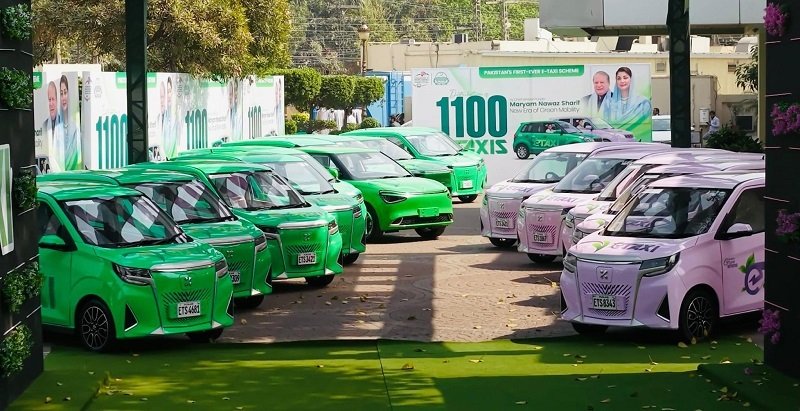
- Light purple e-taxis dedicated for women
- Green e-taxis reserved for men
Each vehicle is equipped with a built-in panic button directly linked to emergency services, enhancing passenger safety and building public trust in the system.
By prioritizing women drivers and offering higher subsidies, the scheme aims to create employment opportunities and promote financial independence for women across Punjab.
Environmental and Economic Impact
The Punjab e-taxi scheme is designed to reduce carbon emissions, lower fuel import dependency, and modernize the province’s urban transport system. Electric vehicles (EVs) produce zero tailpipe emissions, contributing to improved air quality in major cities like Lahore, Rawalpindi, and Faisalabad.
However, the long-term success of the program will depend on strong public uptake and the rapid development of supporting infrastructure, especially EV charging stations across the province.
If implemented effectively, this initiative could become a model for other provinces and accelerate Pakistan’s broader transition to sustainable transportation.