

 By
By The Government of Pakistan has announced that petrol and diesel prices will remain unchanged, offering temporary relief to consumers facing rising living costs. The decision comes despite significant pressure from global oil markets and domestic fiscal challenges.
Prime Minister Shehbaz Sharif revealed that a summary by the Oil and Gas Regulatory Authority (OGRA) had recommended a steep increase in fuel prices. According to the proposal, petrol prices were set to rise by Rs56 per litre, while high-speed diesel (HSD) could have surged by an alarming Rs203 per litre.
However, the Prime Minister rejected the proposal, stating in a televised address that the government would not pass on the immediate burden to the public.
Massive Subsidy to Maintain Prices
To maintain current fuel prices, the government has chosen to absorb substantial losses:
- Rs50 per litre subsidy on petrol
- Rs75 per litre subsidy on diesel
This translates into an estimated Rs25 billion per week in subsidy payments to oil marketing companies and regulators. If sustained, the monthly financial burden could reach Rs100 billion, raising concerns about long-term fiscal sustainability.
The decision follows a recent Rs55 per litre increase earlier this month, driven by rising global oil prices and geopolitical tensions. That hike had already triggered a surge in transportation costs, logistics expenses, and overall inflation.
Short-Term Relief for Consumers
From a consumer standpoint, the move provides immediate but temporary relief:
- No sudden increase in fuel expenses
- Stability in transportation and logistics costs
- Reduced pressure on household budgets in the short term
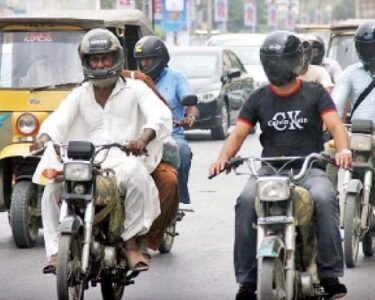
For vehicle owners, including car and motorcycle users, this means running costs remain stable for now, preventing another inflationary shock.
Long-Term Outlook Remains Uncertain
While the decision has been welcomed by the public, experts warn that the relief may be short-lived. Global oil prices remain volatile, and continued subsidies at this scale could strain Pakistan’s already tight fiscal position.
The government has acknowledged that future price adjustments may become unavoidable if international oil trends continue upward. Balancing public relief with economic sustainability will remain a key challenge in the coming months.
Impact on Automotive Sector
For Pakistan’s automotive sector, the decision helps maintain demand stability in the short term. Sudden fuel price hikes often reduce vehicle usage and discourage new purchases, particularly for fuel-dependent vehicles.
However, persistent uncertainty around fuel pricing could further accelerate interest in hybrid and electric vehicles, as consumers seek long-term cost efficiency and energy independence.
In summary, while keeping petrol and diesel prices unchanged offers immediate relief, the policy comes at a heavy fiscal cost. The coming weeks will be crucial in determining whether this relief can be sustained or if consumers should prepare for another round of price hikes.
Disclaimer:
The information presented in this article is based on official statements and available data at the time of publication. Fuel prices and government policies are subject to change due to evolving economic conditions and global oil market fluctuations. Readers are advised to verify updates from official sources before making any financial or travel-related decisions.