

 By
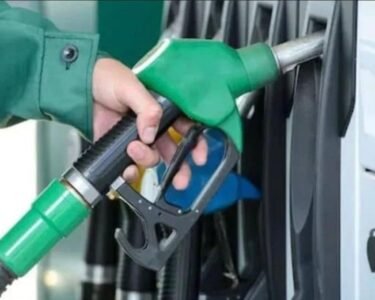
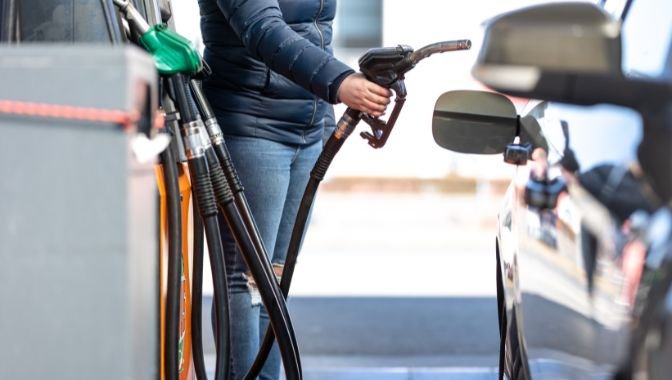
By The federal government of Pakistan is considering ending the current freeze on petrol and diesel prices as global fuel costs continue to rise sharply. The move comes amid increasing fiscal pressure and widening gaps between domestic fuel rates and international market benchmarks.
During the holy month of Ramadan, the government held back increases in petrol and high-speed diesel prices to provide relief to consumers. However, this decision has come at a significant financial cost, with billions of rupees spent to absorb rising import prices.
Fuel Prices Surge Despite Local Freeze
While petrol and diesel prices remained unchanged, other petroleum products have witnessed steep increases. According to official data, jet fuel (JP-1) prices surged by Rs. 84 per litre (around 22%), reaching Rs. 472, while kerosene oil rose by approximately Rs. 71 per litre (about 20%) to Rs. 429 within a single week.
Since early March, jet fuel prices have skyrocketed by nearly 150%, and kerosene has increased by about 127%. This sharp rise reflects ongoing volatility in global energy markets, partly triggered by geopolitical tensions such as the US–Israel war on Iran.
Heavy Subsidy Burden on Government
To maintain stable petrol prices, the government has been absorbing substantial costs. Officials estimate that the state is currently subsidizing around Rs. 175 per litre on diesel and Rs. 75 per litre on petrol.
Earlier, petrol and diesel prices had already been increased by Rs. 55 per litre before the freeze was imposed. Since then, approximately Rs. 69 billion has been allocated to keep prices stable, a move that is becoming increasingly difficult to sustain.
The situation is further complicated by ongoing programme reviews with the International Monetary Fund (IMF), which typically advocates market-based pricing and reduced subsidies.
Shift Towards Targeted Subsidies
A special cabinet committee led by Prime Minister Shehbaz Sharif is now reviewing alternative strategies. One key proposal is to replace broad fuel subsidies with targeted relief for owners of two- and three-wheelers, such as motorcycles and rickshaws.
This approach aims to protect low-income groups who are most affected by rising fuel costs, while reducing the financial burden on the national exchequer.
Impact on Aviation and Travel Costs
Rising jet fuel prices are already impacting the aviation sector. Airfares have increased significantly, with domestic ticket prices rising by Rs. 10,000 to Rs. 15,000 and international fares increasing by Rs. 30,000 to Rs. 40,000.
Fuel costs typically account for 30% to 40% of airline operating expenses, making them a major factor in ticket pricing. The situation has worsened due to regional airspace disruptions, forcing airlines to take longer routes and incur higher operational costs.
Flights operated by Pakistan International Airlines (PIA) have also been affected, with around 200 cancellations reported out of 325 total disruptions across Pakistani carriers. Airlines have introduced fuel surcharges ranging from $10 to $100 on certain routes to offset rising costs.
Trade and Export Challenges
The surge in fuel prices is also affecting exporters. The Pakistan Fruit and Vegetable Exporters Association has raised concerns over increased air cargo costs, with additional charges of Rs. 50 per kilogram imposed by ground handling companies.
This increase could disrupt exports of perishable goods, especially fruits and vegetables, which rely heavily on air transport for timely delivery to international markets.
Outlook
While Pakistan currently maintains adequate fuel inventories through secured imports and stable refinery output, the continuation of the petrol price freeze appears increasingly unsustainable.
If the government decides to lift the freeze, consumers may face a sudden rise in fuel prices. However, targeted subsidies for vulnerable groups could help soften the impact and ensure a more balanced and sustainable fuel pricing strategy moving forward.
Disclaimer: Fuel prices, policies, and subsidy decisions are subject to change based on government announcements and global market conditions. Readers are advised to follow official updates for the latest information.