

 By
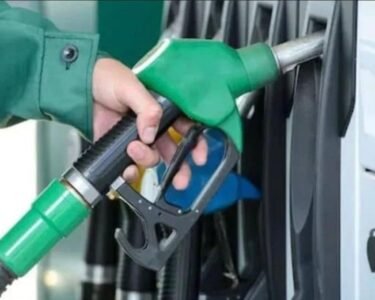
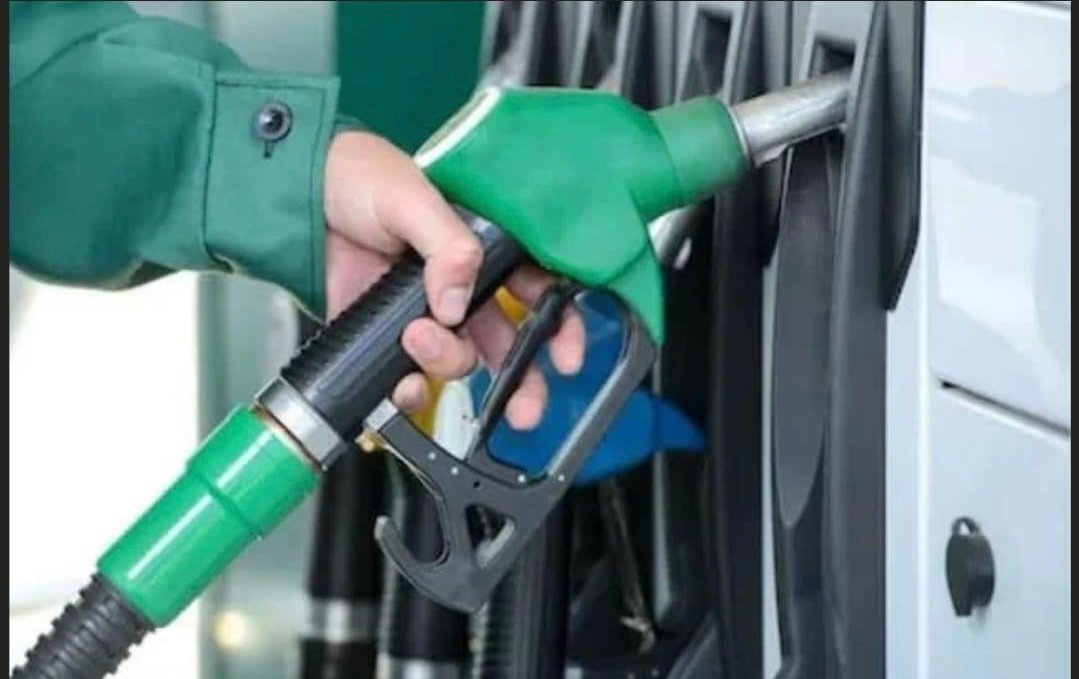
By The federal government is expected to raise fuel prices from November 1, 2025, as international market fluctuations and new local levies push up costs. According to initial estimates, petrol prices may increase by Rs.1.48 per liter, diesel by Rs.1.38, and kerosene by Rs.2.34 per liter in the upcoming fortnightly review.
Earlier forecasts had suggested a potential drop in fuel prices, but recent developments—both domestic and global—have reversed those expectations.
Impact of Sindh’s New Cess Levy
A major factor behind the expected price hike is the Sindh government’s new 1.8% Cess levy on the import value of all petroleum cargoes. This levy has added an extra layer of cost to fuel imports. The Oil Marketing Association of Pakistan (OMAP) has expressed concern, stating that oil marketing companies (OMCs) already operate under tight profit margins and cannot absorb the new charge.
OMAP has urged the Ministry of Energy to integrate the levy into the fuel pricing formula, effectively passing the cost on to consumers.
Global Crude Oil Market on the Rise
On the international front, crude oil prices continue to rise, driven by U.S. sanctions on Russian exports and broader market volatility. Although Brent and WTI crude saw a brief decline of 1.4% two days ago, they had previously gained 0.72% and 0.77%, respectively, and recorded sharp increases of 8.9% and 7.7% the previous week.
This sustained upward trend in global oil prices has directly impacted Pakistan’s domestic fuel pricing outlook.
OGRA to Announce Final Decision
The Oil and Gas Regulatory Authority (OGRA) will make the final decision on fuel prices after reviewing international rates and import data. Until then, the figures remain projections, but the likelihood of an increase is high given the combination of global and local pressures.
As the new fortnight begins, motorists in Pakistan should brace for a potential rise in fuel prices—a change that reflects the volatile international oil market and new domestic cost adjustments under the Sindh Cess levy.