


 By
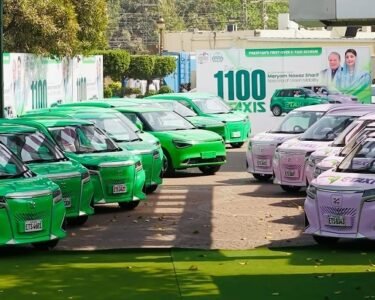
By In a significant push towards sustainable transportation, the federal government of Pakistan is set to unveil a new five-year electric vehicle (EV) policy on August 14, 2025. This major policy shift, developed in consultation with the International Monetary Fund (IMF), is designed to fast-track the adoption of electric bikes and rickshaws, making energy-efficient transport more accessible to the public.
Subsidies and Scope
As part of the Rs. 100 billion subsidy package allocated by the IMF, Rs. 9 billion has been earmarked for the current fiscal year to support the introduction of 116,000 electric bikes over the next two years. Each electric bike or rickshaw will be subsidized by approximately Rs. 50,000, significantly reducing the upfront cost for consumers.
This strategic approach focuses on two- and three-wheelers, which form the backbone of Pakistan’s urban and rural transport networks. The move is seen as a correction to the previous EV policy, which underperformed drastically — achieving only 10% of its target for two- and three-wheelers, and 20% for electric buses.
Long-Term Financial Commitment
The new EV policy will remain in effect until 2030, with a phased increase in subsidies:
- Rs. 19 billion in FY2027
- Rs. 24.16 billion in FY2028
- Rs. 26.62 billion in FY2029
- Rs. 22.64 billion in FY2030
Official Launch on Independence Day
Prime Minister Shehbaz Sharif is expected to officially launch the EV policy on Pakistan’s Independence Day, August 14, marking it as a cornerstone initiative in the government’s sustainability roadmap.
This initiative not only aligns with global efforts to combat climate change but also represents a critical step in reducing Pakistan’s dependency on fossil fuels and lowering urban pollution levels.