

 By
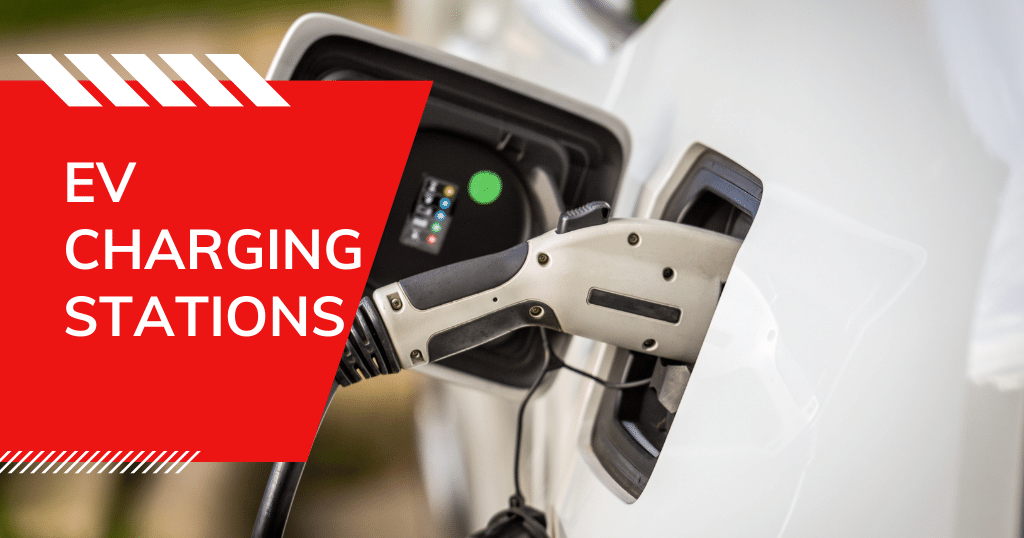
By Pakistan has unveiled an ambitious national plan to scale up its electric vehicle (EV) infrastructure by installing 3,000 EV charging stations by 2030, marking one of the country’s largest commitments to sustainable mobility and renewable transport. The initiative is a central part of the federal government’s Draft New Energy Vehicle Policy, which aims to accelerate EV adoption, reduce carbon emissions, and strengthen the country’s green economy.
240 Charging Stations Planned in Current Fiscal Year
As an early milestone, the government aims to install 240 new EV charging stations within the ongoing fiscal year. This phase will involve strategic partnerships with private-sector companies to ensure fast, efficient deployment and encourage market participation.
A Multi-Agency Strategy for Nationwide Deployment
The rollout is being coordinated across several key government bodies to maintain consistent standards, improve efficiency, and ensure nationwide coverage. These include:
- Ministry of Industries and Production
- National Energy Efficiency and Conservation Authority (NEECA)
- Ministry of Energy (Power Division)
- National Electric Power Regulatory Authority (NEPRA)
- Power distribution companies (DISCOs)
This unified, cross-agency framework is expected to streamline implementation across major cities, highways, and key transport corridors.
Strong Private-Sector Interest Following New Regulations
Interest in EV infrastructure has surged since the introduction of Electric Vehicle Charging Infrastructure (EVCI) and Battery Swapping Stations (BSS) regulations in October 2024.
NEECA has already issued 72 licenses for new EV charging stations, reflecting growing private-sector confidence in Pakistan’s electric transport future.
A robust, well-distributed charging network is also expected to reduce “range anxiety,” allowing EV owners to travel more confidently between cities.
Challenges Could Slow EV Adoption
Despite strong policy momentum, experts warn that mass EV adoption in Pakistan still faces significant hurdles:
- Infrastructure gaps
- Regulatory uncertainty
- Lack of public mapping for charging stations
- High upfront EV prices
- Limited vehicle models
- Deep dependence on fossil fuels
Deployment is expected to first benefit major cities and highways, while rural areas may see slower adoption.
A Transformational Step Toward a Greener Future
If Pakistan succeeds in meeting its 3,000-station target, the country could emerge as a regional leader in green mobility. A mature charging ecosystem paired with supportive policies could help:
- Lower greenhouse gas emissions
- Reduce fossil-fuel dependency
- Promote cleaner urban transport
- Boost consumer confidence in EVs
The rollout aligns with goals outlined in the National Electric Vehicle Policy 2025–30, aiming to build a cleaner, more resilient future for Pakistan’s transport sector.
Disclaimer:
This article is based on available government plans and expert assessments. Implementation timelines may evolve as policies progress.