

 By
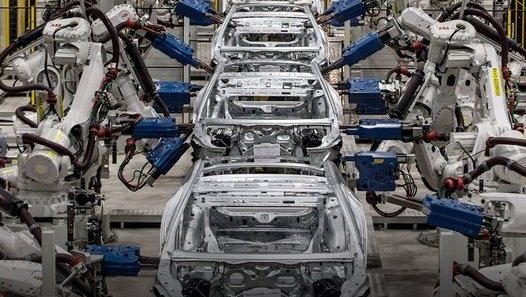
By Amid easing interest rates and anticipation of policy changes in the upcoming federal budget, Pakistan’s automobile industry recorded a sharp recovery. According to the Pakistan Automotive Manufacturers Association (PAMA), car sales in the country surged by 32.1%, reaching 94,388 units during the first 11 months of FY2024-25 compared to the same period last year.
This upward trend reflects renewed consumer confidence, increased auto financing, and robust demand across multiple segments of the vehicle market.
Segment-Wise Performance
- Jeeps and Pickups
Sales rose dramatically by 66%, with a total of 31,706 units sold. This suggests growing preference for utility and off-road capable vehicles among both urban and rural buyers. - Trucks and Buses
Truck sales increased by 95.7% to 3,776 units, while bus sales went up by 73.3% to 719 units, supported by infrastructure activity and revival in commercial transport services. - Motorcycles and Rickshaws
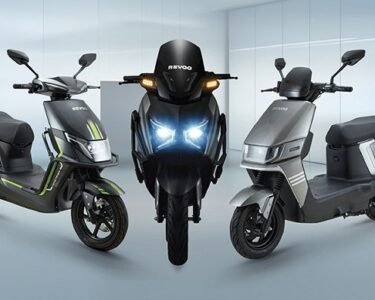
A key segment for affordable mobility, motorcycle and three-wheeler sales grew by 30%, totaling 1.38 million units, highlighting strong demand in densely populated urban centers and among delivery businesses. - Tractors
Tractor sales were the only major category to post negative growth, declining by 36.8% to 26,401 units, reflecting continued stress in the agriculture sector due to high input costs and reduced farming activity.
Key Drivers Behind the Sales Growth
- Falling Interest Rates
Easier access to financing has made it more feasible for individuals and businesses to purchase vehicles, particularly cars and commercial transport options. - Economic Recovery
Stabilization in inflation, currency exchange rates, and improved remittance inflows have bolstered purchasing power and consumer sentiment. - New Vehicle Launches
Major automotive brands such as Toyota, Suzuki, Hyundai, and Honda introduced new models and upgraded variants, stimulating interest in the market. - Urbanization and Infrastructure Projects
As urban centers expand and infrastructure development continues, demand for commercial vehicles like pickups, trucks, and buses has increased significantly.
Challenges Ahead
While the market outlook appears positive, the auto industry may face new hurdles as the federal government prepares to present its budget for FY2025-26. Possible tax reforms, changes in the General Sales Tax (GST) structure, and inflationary pressures could influence consumer behavior and vehicle affordability.
Moreover, tractor sales remain a concern, with the agricultural sector needing targeted policy support to revive demand. The government’s strategy for farm mechanization and rural development will be crucial to reversing this trend.
Our Verdict
The 32.1% growth in car sales during FY2024-25 is a strong indicator of economic recovery and revived consumer interest in Pakistan’s auto sector. With impressive gains across multiple vehicle categories—especially jeeps, trucks, and motorcycles—the industry shows signs of resilience. As policymakers finalize the federal budget, sustaining this momentum will depend on maintaining economic stability, supportive tax policies, and continued access to auto financing.