

 By
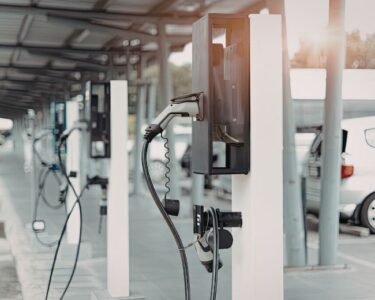
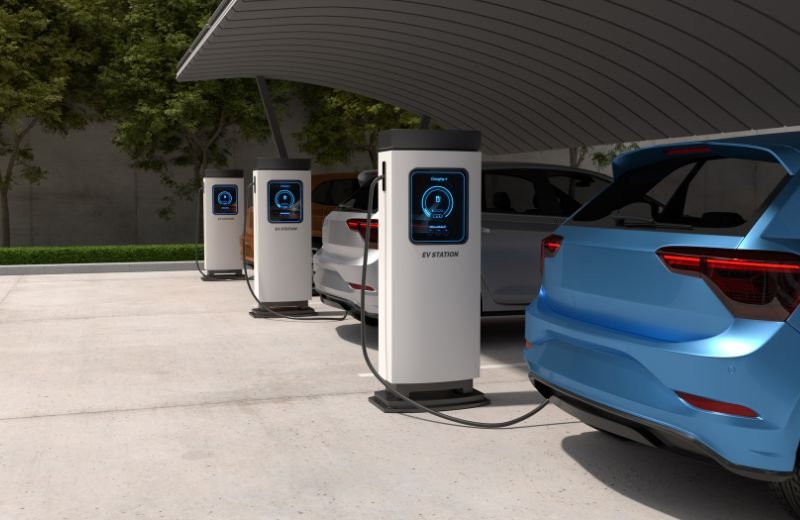
By Pakistan is taking a major step toward sustainable transportation with plans to install 3,000 electric vehicle (EV) charging stations across the country. The initiative was jointly announced by the National Energy Efficiency and Conservation Authority (NEECA) and the Malik Group of Companies, signaling a strong public-private partnership aimed at accelerating electric mobility adoption.
The plan was unveiled during a strategic meeting in Islamabad between Malik Group CEO Malik Khuda Baksh and NEECA Managing Director Mr. Humayon Khan. During the discussion, both sides reaffirmed their commitment to expanding Pakistan’s EV infrastructure, which is widely seen as a critical missing link in the country’s transition to electric transportation.
Potential Expansion to 6,000 Charging Stations
NEECA Managing Director Humayon Khan confirmed full institutional support for the project and indicated that the charging network could expand to as many as 6,000 stations with increased private sector participation. Such an expansion would significantly improve accessibility for EV users and help address one of the biggest barriers to adoption: range anxiety.
Experts emphasize that a dense and reliable charging network is essential to build consumer confidence in electric vehicles. Without adequate charging facilities, potential buyers remain hesitant despite growing interest in electric cars, scooters, and buses.
Challenges in Implementation
While the initiative is ambitious, officials acknowledged several challenges that could affect the rollout timeline. These include delays in electricity connections, the installation of separate power meters, and pending No-Objection Certificates from relevant power distribution authorities. Addressing these bottlenecks will be crucial to ensure timely deployment.
Authorities have also stressed the importance of using internationally certified EV chargers to ensure safety, compatibility, and long-term reliability. Streamlining approval processes and standardizing technical requirements were highlighted as key steps to avoid delays and inefficiencies.
Alignment with National EV Policy
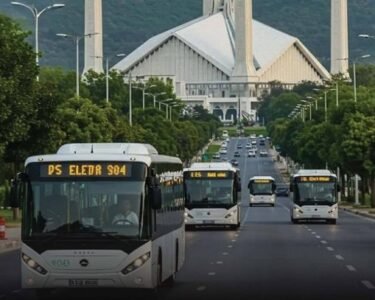
The charging station rollout aligns closely with Pakistan’s New Energy Vehicle Policy, which aims to reduce reliance on fossil fuels, cut carbon emissions, and promote cleaner urban transport. As fuel prices remain volatile and environmental concerns grow, electric mobility is increasingly viewed as a practical and sustainable alternative.
If implemented effectively, the project could play a transformative role in Pakistan’s transport sector. The success of the initial 3,000 charging stations, and any subsequent expansion, will serve as a key indicator of the country’s readiness for mass EV adoption.
Looking Ahead
Industry observers believe that continued collaboration between government bodies and private companies will be vital for the project’s success. With streamlined approvals, timely infrastructure development, and sustained investment, Pakistan’s EV charging roadmap could lay the foundation for a cleaner, more efficient transportation future.