

 By
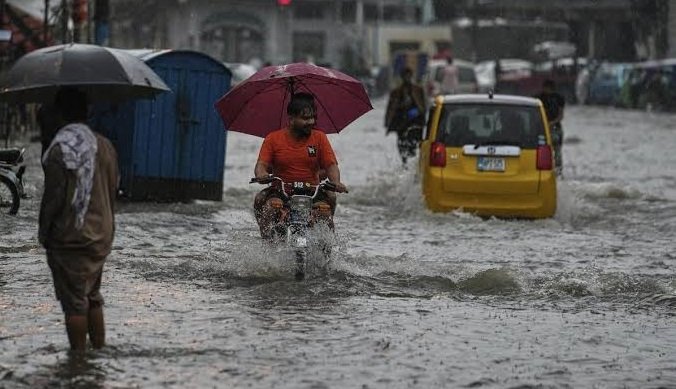
By With heavy monsoon rains lashing cities across Pakistan, the National Highways and Motorway Police (NHMP) has issued an urgent road safety advisory to motorists. The warning comes as seasonal downpours have already triggered a sharp rise in traffic accidents, some resulting in tragic fatalities and others in severe financial losses.
In a video shared on X (formerly Twitter), NHMP officials highlighted the importance of adopting simple yet effective precautions to avoid accidents during wet weather.
The Hidden Danger: Aquaplaning
Authorities identified aquaplaning—also known as hydroplaning—as the biggest hazard on rain-soaked roads. This occurs when a thin layer of water forms between the tires and the road surface, drastically reducing grip and causing drivers to lose control.
NHMP warned that the risks of aquaplaning rise significantly when:
- Tire tread depth falls below 3 mm
- Vehicle speeds are between 55–80 km/h or higher
- Even 2 mm of standing water is enough to double or triple braking distances
This combination, officials noted, makes aquaplaning one of the leading causes of monsoon-related road accidents across highways and urban areas.
NHMP’s Golden Rules for Rainy Driving
To minimize risks, the NHMP has urged drivers to follow two golden safety rules:
- Reduce Speed – Always drive slower than usual when roads are wet.
- Maintain Extra Distance – Keep a greater distance from the vehicle ahead to allow safe stopping time.
The authority stressed that these basic practices could mean the difference between life and death during Pakistan’s rainy season.
Prioritizing Safety Over Speed
As monsoon showers continue across the country, NHMP is calling on motorists to prioritize safety, exercise patience, and respect weather conditions. By reducing speed, maintaining control, and staying alert, drivers can protect not only themselves but also other road users.
The message is clear: while rain is beyond human control, road safety is not. Responsible driving is the only way to avoid turning wet roads into accident zones this monsoon season.