


 By
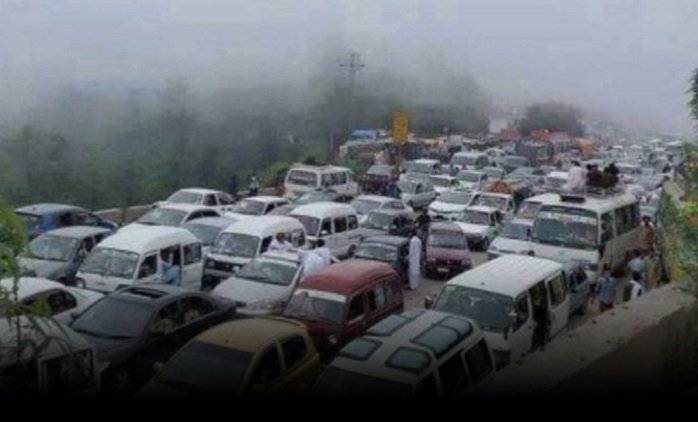
By The National Disaster Management Authority (NDMA) has issued a travel advisory urging both citizens and tourists to postpone their travel plans to Gilgit-Baltistan. The advisory follows heavy rains, flooding, and landslides that have severely impacted road infrastructure across the northern region.
In its statement, released through the National Emergency Operations Centre, NDMA highlighted that Gilgit-Baltistan remains highly vulnerable due to continuous downpours and glacial activity. The combination of flash floods and landslides has increased safety risks, leaving several areas cut off and posing challenges for residents and travelers alike.
Major Roads and Bridges Affected
According to NDMA, multiple key routes have been blocked or damaged:
- Shyok River Bridge near Saltoro – blocked due to landslides.
- Astak Bridge on Jaglot–Skardu Road – partially damaged, restricting traffic to one-way flow.
- Diamer–Ghizer Road, Shandur Road, Khalti Road, Dain Road, and Ishkoman Road – remain fully closed.
- In Skardu, access to Kargil, Kharmang, and Shigar has also been disrupted.
Despite the widespread damage, restoration teams have managed to reopen certain key roads, including the Surmo Bridge in Ghanche, Bagicha Road in Skardu, Gulmit–Gojal Road in Hunza, Jaglot–Gilgit Road via Guro, and Chilam Road in Astore.
Public Safety Advisory
The NDMA emphasized the importance of monitoring official updates before attempting any travel to Gilgit-Baltistan. With multiple bridges and highways either damaged or under repair, travelers face heightened risks of being stranded in remote areas.
As restoration work continues, citizens and tourists are strongly advised to exercise caution and prioritize safety over travel. The NDMA’s travel advisory serves as a critical reminder of the dangers posed by extreme weather events in Gilgit-Baltistan’s mountainous terrain.