


 By
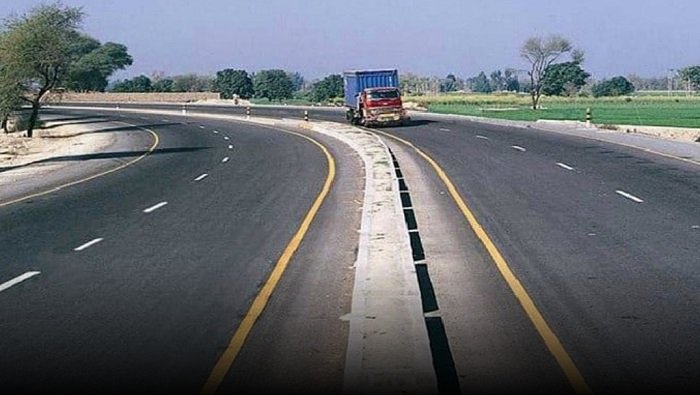
By The Punjab government has officially announced the construction of a 16-kilometre-long motorway from Lahore to Raiwind, with all project expenses to be covered by the provincial government. According to officials from the Planning Ministry, this short but significant motorway project is part of Pakistan’s ongoing Public Sector Development Programme (PSDP), which aims to boost infrastructure and connectivity across the country.
Sources from the National Highway Authority (NHA) confirmed that land surveys for the Lahore-Raiwind Motorway are already underway. An NHA document further revealed that last year alone, over Rs. 1,000 billion was spent under the PSDP for various development initiatives. This year, 55 new projects have been added, but all require No Objection Certificates (NOCs) from the Planning Commission before work can officially begin.
In addition to domestic funding, foreign aid continues to support Pakistan’s highway network. The Islamic Development Bank will finance three sections of the much-anticipated M6 Motorway, while two additional sections will be constructed under public-private partnerships. Moreover, the GT Road along the Hyderabad-Sukkur Motorway is also slated for major upgrades to improve intercity travel.
However, the Lahore-Raiwind Motorway has sparked criticism and debate among lawmakers. Senator Quratulain Marri, Chairperson of the Senate Standing Committee on Planning and Development, voiced strong concerns about regional imbalances. She argued that no new motorway should be built in Punjab until incomplete projects in other provinces are completed first. She questioned the necessity of the Lahore-Raiwind route, pointedly asking, “Are you building a motorway just for one house?” — an indirect reference to the political significance of Raiwind.
Despite the controversy, proponents of the project argue that the new motorway will ease traffic congestion, improve connectivity for Lahore’s expanding southern suburbs, and encourage economic development in surrounding areas. Supporters highlight that thousands of daily commuters between Lahore and Raiwind will benefit from faster, safer travel.
As Pakistan expands its national motorway network, the challenge remains to ensure fair distribution of development funds and timely completion of projects across all provinces. Whether the Lahore-Raiwind Motorway delivers long-term public benefit — or becomes another politically driven megaproject — will depend on transparent execution and balanced planning.