


 By
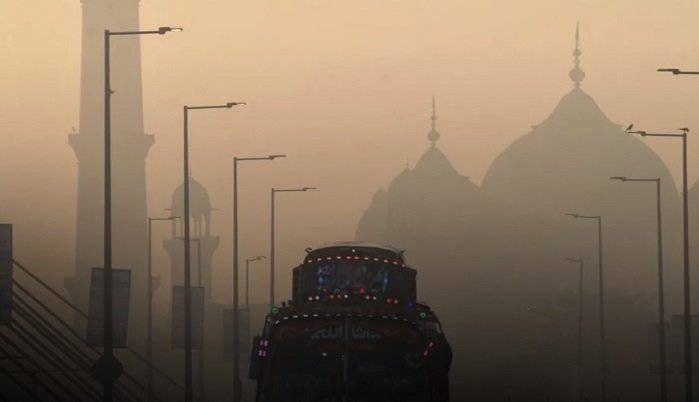
By Lahore has once again been ranked as the most polluted city in the world, overtaking India’s capital New Delhi, with a staggering Air Quality Index (AQI) of 404. According to real-time monitoring data, the city’s air quality has deteriorated to hazardous levels, posing severe health risks to millions of residents.
Alarming AQI Readings Across Lahore
Several areas of Lahore have reported AQI levels far beyond safe breathing limits. Rytgan Road recorded an AQI of 680, Johar Town reached 673, and Gulberg stood at 543 — all classified as extremely hazardous by global health standards. These figures reflect toxic levels of fine particulate matter (PM2.5), which can penetrate deep into the lungs and bloodstream.
Causes of Lahore’s Smog Crisis
Environmental experts attribute the worsening smog to multiple factors including:
- Vehicular emissions from the city’s dense traffic.
- Industrial smoke and unregulated factory operations.
- Crop residue burning in rural Punjab.
- Cross-border haze drifting from neighboring India.
These pollutants, combined with dry weather and temperature inversions, have trapped toxic particles close to the ground, creating thick layers of smog that have significantly reduced visibility across the city.
Impact on Health and Daily Life
Health professionals have warned that the current air quality poses a serious threat to public health. Residents are being advised to:
- Stay indoors whenever possible.
- Keep doors and windows closed to limit indoor pollution.
- Wear N95 or surgical masks when going outdoors.
- Avoid outdoor exercise and school activities during peak pollution hours.
Doctors have also reported a rise in respiratory illnesses, asthma attacks, and eye infections, particularly among children and the elderly.
Smog Spreads Beyond Lahore
The smog problem is not limited to Lahore. Faisalabad and Gujranwala are also suffering from industrial and vehicular emissions, while Karachi’s pollution is linked to port operations and heavy traffic. Meanwhile, Islamabad and Rawalpindi are dealing with poor air quality caused by construction dust and urban expansion.
Weather Outlook and Limited Relief Ahead
The Pakistan Meteorological Department has predicted dry weather across most parts of the country, suggesting that smog conditions may persist in the coming days. Although temperatures in northern and hilly regions are expected to drop further, the absence of rainfall means there is little chance of immediate relief from the worsening air pollution.
Urgent Need for Sustainable Action
Environmental analysts are urging authorities to implement long-term air quality management measures, including stricter emission controls, promotion of electric vehicles, and enforcement of industrial regulations. Without meaningful intervention, Lahore and other major cities risk facing an even more severe environmental and public health crisis in the months ahead.